




Missing teeth can significantly impact not only your smile’s aesthetics but also your chewing function, speech, and overall oral health. Moving beyond the limitations of traditional dentures or bridges, dental implants offer a revolutionary solution for replacing missing teeth. These modern marvels of dentistry consist of small, screw-like, biocompatible materials surgically placed into the jawbone, onto which dental restorations like porcelain crowns, bridges, or dentures are securely attached. This provides a permanent solution that closely mimics the feel and function of natural teeth.
What Are Dental Implants?
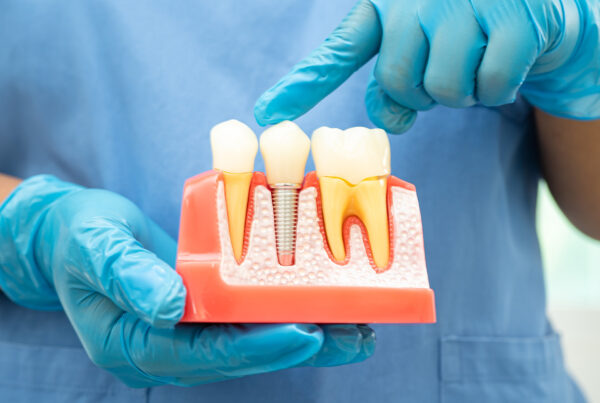
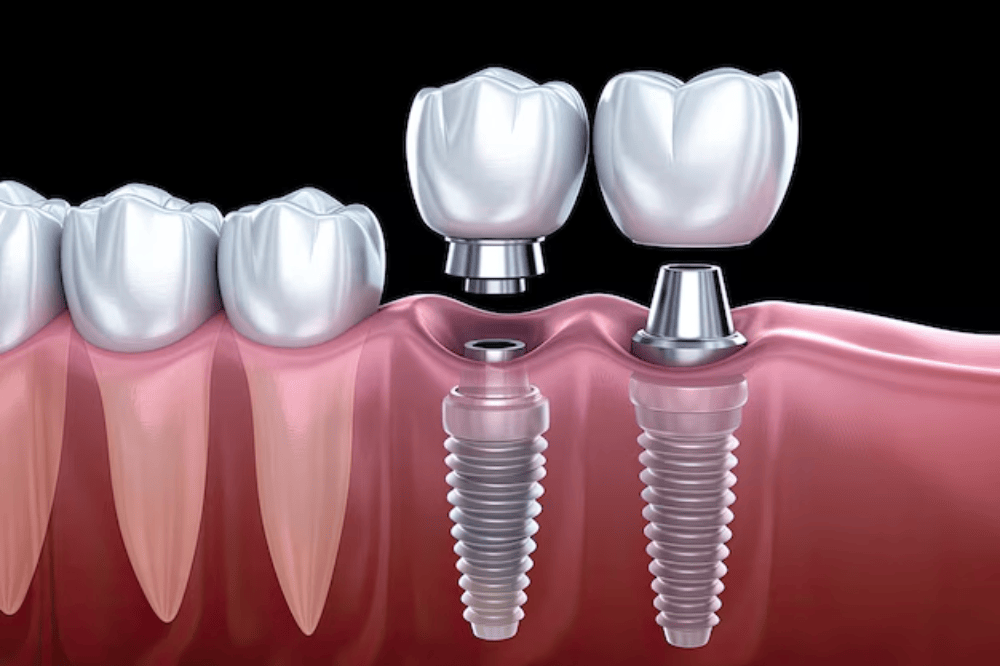
A dental implant is an artificial tooth root made from biocompatible materials like titanium or zirconia, surgically placed into the jawbone to replace missing teeth. These implants integrate with the bone (osseointegration), forming a stable foundation and serving as a sturdy anchor for the dental restorations that will be placed on top. Implants can be used to address a wide range of needs, from the loss of a single tooth to an entire arch of teeth.
Beyond aesthetics, dental implants improve chewing efficiency, correct speech impediments, and prevent adjacent teeth from shifting. They also help preserve jawbone integrity, thereby maintaining facial structure. Due to these characteristics, dental implants are considered one of the most reliable and effective treatment methods in modern dentistry.
Dental Implant Restoration Options
The various restoration options available for dental implants vary according to the patient’s needs and the number of missing teeth. Here are the main implant restoration options:
1. Single Tooth Implant Restoration
Single tooth implant restoration is an ideal solution for replacing one or a few missing teeth. In this method, a single dental implant is placed in the area of the missing tooth, and an individual porcelain crown is secured onto the implant. This restores the natural appearance and function of the missing tooth without any intervention to the adjacent healthy teeth.
Benefits:
- Natural Appearance and Feel: A single tooth implant blends seamlessly with surrounding teeth, offering a natural look and feel.
- Preservation of Adjacent Teeth: Unlike bridges, there’s no need to grind down adjacent healthy teeth, preserving their original structure.
- Jawbone Health: The implant stimulates the jawbone, preventing bone loss and helping to maintain jaw structure.
- Long-Lasting Solution: With proper care, single tooth implants can last a lifetime.
2. Implant-Supported Bridges
If multiple adjacent teeth are missing, implant-supported bridges offer a more stable and long-lasting alternative to traditional bridges. In this method, dental implants are placed at each end of the gap where teeth are missing, and a bridge consisting of one or more porcelain teeth is secured onto these implants.
Benefits:
- Treatment for Multiple Teeth: An effective solution for multiple missing teeth.
- Increased Stability: Provides greater stability and chewing power compared to traditional bridges.
- Esthetics and Function: Looks and functions like natural teeth.
- Jawbone Support: Implants help slow down jawbone deterioration.
3. Full Arch Restoration (All-on-4 / All-on-6)
Full arch restoration is a comprehensive treatment applied when all teeth in the upper or lower jaw are missing. The All-on-4 or All-on-6 technique typically involves the strategic placement of four or six implants, onto which a fixed prosthesis (in the form of a bridge) for the entire arch is secured. This method offers significantly higher comfort and function compared to removable traditional dentures.
Benefits:
- Fixed and Comfortable Solution: Unlike traditional removable dentures, the patient does not remove the prosthesis and experiences a natural tooth sensation.
- Fast Results: In some cases, a temporary prosthesis can be secured immediately after implant placement (same-day teeth).
- Jawbone Preservation: Implants help preserve jawbone volume, preventing the collapse of facial structure.
- Improved Speech and Chewing: Speech and chewing functions are significantly improved due to the fixed nature of the prosthesis.
4. Implant-Retained Dentures
Implant-retained dentures provide greater stability and retention compared to conventional removable dentures. This usually involves placing two to four implants in the jawbone and securing the denture using special attachments (retention clips) on these implants. The denture can be easily removed and reinserted by the patient but remains stable during chewing.
Benefits:
- Increased Stability and Security: Prevents the denture from slipping and moving, providing a secure chewing and speaking experience.
- Less Tissue Irritation: Reduces friction of the denture within the mouth, preventing oral sores and irritation.
- Improved Chewing Function: Allows for more effective chewing compared to traditional dentures.
- Reduced Denture Bulk: Allows the palate area to be left open in the upper jaw, offering more comfort.
5. Titanium vs. Zirconia Implants
Dental implant materials generally fall into two main categories: titanium or zirconia. Both have their unique advantages and applications.
- Titanium Implants: This is the most commonly used material for dental implants. It has very high biocompatibility, meaning it is readily accepted by the body and integrates perfectly with bone (osseointegration). They are known for their durability and longevity. Due to their high strength, they are resistant to chewing forces.
- Zirconia Implants: Zirconia implants, which have gained popularity in recent years, offer an alternative for patients with metal allergies or those seeking a metal-free solution. Their white color makes them particularly suitable for aesthetic concerns in the anterior (front) teeth restorations. Being entirely ceramic, they are metal-free and have a lower risk of allergic reactions. However, as they are a newer technology compared to titanium implants, long-term clinical data is more limited.
6. Mini Dental Implants
Mini dental implants are implants with a smaller diameter than conventional implants. Their diameters typically range between 1.8 mm and 2.9 mm. They can be an option for patients with less bone density or those seeking a less invasive surgical procedure. They are commonly used to stabilize lower jaw dentures or for temporary restorations.
Benefits:
- Minimally Invasive Surgery: Their smaller diameter requires less surgical intervention.
- Faster Healing Time: The less invasive surgical procedure can contribute to a shorter healing period.
- Lower Cost: Generally more economical than conventional implants.
- Denture Stabilization: An effective solution for increasing the retention of lower jaw dentures.
7. Bone Grafting and Sinus Lifts
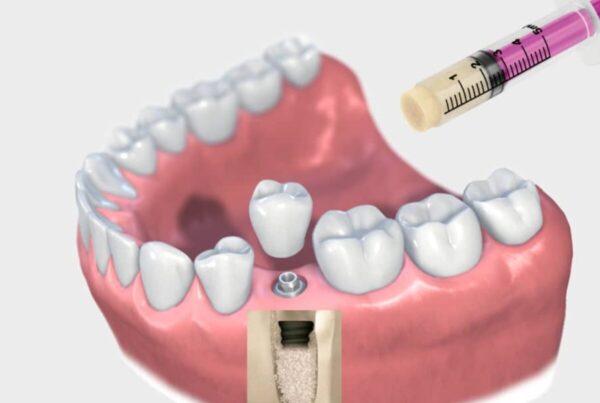
Sufficient jawbone volume and density are crucial for successful dental implant placement. In some cases, jawbone loss may have occurred, or sinus cavities in the upper jaw may leave insufficient space for implant placement. In such situations, additional surgical procedures like bone grafting and sinus lifting may be necessary to create a suitable environment for implant placement.
- Bone Grafting: This procedure involves adding bone particles or synthetic bone materials to areas with insufficient bone volume to stimulate bone formation. This ensures adequate bone support for stable implant placement.
- Sinus Lifting (Sinus Augmentation Surgery): In the upper jaw, in the area of the molars, sinus cavities can restrict bone volume. The sinus lifting procedure involves gently elevating the sinus membrane and placing bone graft material underneath the sinus cavity. This creates sufficient vertical bone height for implant placement.
These procedures may be a prerequisite for implant treatment for some patients and are vital for successful implant integration.
Conclusion
Dental implants represent one of the most effective, aesthetic, and long-lasting solutions offered by modern dentistry for replacing missing teeth. With a wide range of applications, from single tooth replacement to full arch restorations, implants offer customizable restoration options to suit individual needs. Thanks to biocompatible materials like titanium and zirconia, they boast high success rates.
Although implant treatment is a surgical procedure, safe and predictable results are achieved through advanced techniques and experienced dental professionals. In cases of insufficient bone volume, implant placement becomes possible with additional procedures such as bone grafting and sinus lifting. If you are concerned about your missing teeth and seeking a permanent, natural-looking solution, you can consult your dentist to evaluate whether dental implants are a suitable treatment option for you. Remember, a healthy smile directly impacts your overall quality of life!
For information about implant costs and a personalized treatment plan, we recommend contacting your Dr. Wonder clinic.