





For many people facing tooth loss, dental implants offer a life-changing solution. They provide a durable, natural-looking, and fully functional replacement for missing teeth, greatly improving quality of life. One common question that arises during the consultation process is, “How many dental implants can be placed at once?” The answer isn’t a simple number; it depends on various factors unique to each patient.
Understanding Dental Implants
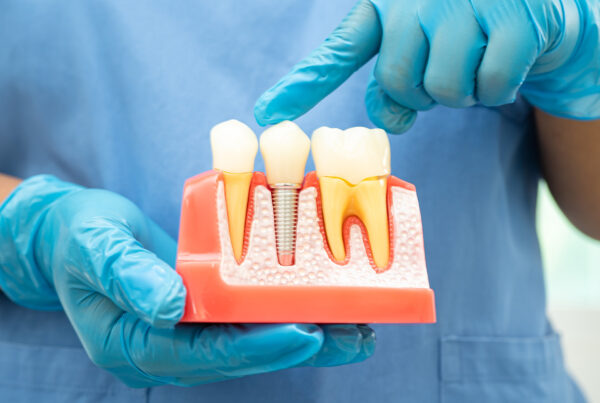
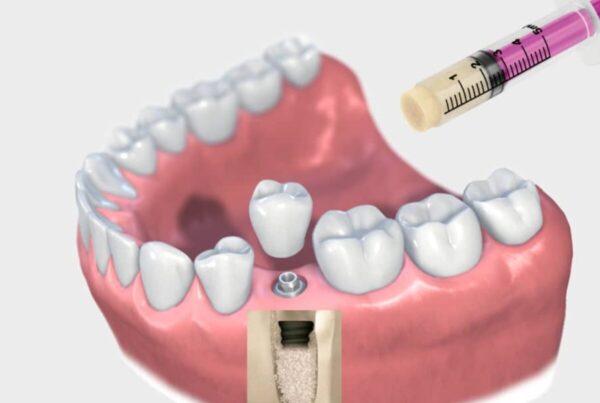
Dental implants are essentially artificial tooth roots, typically made of biocompatible materials like titanium. These small, screw-shaped posts are surgically placed into the jawbone, where they fuse with the bone over time through a process called osseointegration. This creates a stable foundation for a dental crown, bridge, or denture.
Unlike traditional bridges or dentures, dental implants don’t rely on neighboring teeth for support and help to preserve jawbone health, preventing the bone loss that often occurs after tooth extraction. They offer superior stability, comfort, and aesthetics, making them a preferred choice for long-term tooth replacement.
Different Scenarios for Placing Multiple Dental Implants
The number of implants placed at once varies significantly based on the patient’s individual needs and the specific treatment plan. Here are some common scenarios:
- Single Tooth Replacement: For a single missing tooth, only one dental implant is needed, topped with a custom-made crown.
- Multiple Adjacent Teeth: If several teeth in a row are missing, it might not be necessary to place an implant for every single tooth. Instead, two or more implants can support a dental bridge. For instance, two implants might be used to support a three- or four-unit bridge.
- Full Arch Rehabilitation: When an entire arch of teeth (upper or lower) is missing or needs to be replaced, various strategies involving multiple implants are employed.
- All-on-4® Dental Implants: This popular technique uses four strategically placed implants to support a full arch of prosthetic teeth. Two implants are placed vertically in the front, and two are angled in the back, maximizing bone support even in areas with some bone loss.
- All-on-6 Dental Implants: Similar to All-on-4, this method uses six dental implants per arch, often providing even greater stability and distributing the chewing forces more widely, which can be beneficial for patients with specific bone density or bite issues.
- Multiple Individual Implants: In some cases, especially when individual teeth scattered throughout an arch need replacement, several individual implants may be placed.
Factors That Determine How Many Implants Can Be Placed
The decision on how many dental implants can be placed in a single session is a complex one, made by an experienced implant dentist or oral surgeon after a thorough evaluation. Key factors include:
- Jawbone Density and Volume: This is perhaps the most critical factor. Sufficient healthy jawbone is essential for osseointegration and long-term implant success. If bone density or volume is inadequate, procedures like bone grafting may be necessary before implant placement, which can affect the number of implants placed at once.
- Overall Oral Health: The presence of gum disease (periodontitis) or other oral infections must be addressed before implant surgery. Healthy gums and teeth surrounding the implant sites are crucial for success.
- Patient’s General Health: Systemic conditions such as uncontrolled diabetes, autoimmune diseases, or compromised immune systems can affect healing and the success rate of dental implants. Certain medications, like bisphosphonates, can also impact bone healing.
- Location of Missing Teeth: The position of the missing teeth in the jaw can influence the number and angulation of implants. For example, the front of the jaw typically has denser bone than the back.
- Sinus Proximity (Upper Jaw): In the upper jaw, the maxillary sinuses can limit the available bone for implant placement. A sinus lift procedure may be required to create enough bone height, which could impact the immediate placement of multiple implants.
- Patient’s Tolerance for Surgery: While typically well-tolerated, extensive surgery involving many implants can be more demanding. The patient’s pain tolerance, anxiety levels, and ability to sit through a longer procedure are considered.
- Anesthesia Options: The type of anesthesia used (local, sedation, or general anesthesia) can influence the length and complexity of the procedure the patient can comfortably undergo.
- Cost Considerations: Placing more implants in a single session can sometimes be more cost-effective in terms of surgical fees compared to multiple separate surgeries. However, the overall cost will increase with the number of implants.
How Many Implants Can Be Placed at Once?
In theory, and in ideal circumstances, a skilled oral surgeon or periodontist can place a significant number of dental implants in a single surgical session. This could range from one or two implants for single tooth replacement up to four, six, or even more implants for full arch restorations.
For a full mouth reconstruction using, for example, the All-on-4 or All-on-6 technique, all necessary implants for an entire arch (or even both arches) can often be placed in one sitting. This typically involves 4 to 6 implants per arch.
However, it’s crucial to understand that “how many” is less important than “how effectively and safely.” The goal is always to achieve the best long-term outcome, ensuring proper osseointegration and stability.
Here’s a general overview:
Choosing the Right Implant Technique
The “right” implant technique is highly individualized and determined by your implant dentist after a comprehensive evaluation. This evaluation typically includes:
- Clinical Examination: Assessment of your oral health, gum condition, and remaining teeth.
- 3D Imaging (CBCT Scan): A Cone Beam Computed Tomography (CBCT) scan provides detailed 3D images of your jawbone, nerve pathways, and sinus cavities. This is crucial for precise treatment planning and identifying optimal implant placement sites.
- Digital Impressions: To create accurate models for custom prosthetics.
- Review of Medical History: To identify any systemic conditions or medications that could affect the procedure.
Based on these findings, your dentist will recommend the most suitable dental implant solution, whether it’s a single implant, a bridge supported by implants, or a full arch restoration like All-on-4. The technique chosen will directly influence how many implants are placed.
Benefits and Drawbacks of Placing Multiple Implants at Once
There are distinct advantages and disadvantages to placing multiple dental implants in a single surgical session:
Benefits:
- Fewer Surgical Appointments: Consolidating multiple procedures into one means fewer visits to the oral surgeon and less time off work or other commitments.
- Reduced Anesthesia Exposure: Less frequent exposure to anesthesia, which can be beneficial for some patients.
- Potentially Faster Overall Treatment Time: While the single surgery is longer, the overall healing and prosthetic fabrication timeline can sometimes be shorter as all implants are placed simultaneously.
- Cost-Effectiveness (in some cases): Grouping procedures can sometimes reduce overall surgical fees compared to multiple separate appointments.
- Less Psychological Burden: Some patients find it easier to undergo one more extensive procedure than face multiple smaller surgeries.
Drawbacks:
- Longer Single Surgical Session: A procedure involving many implants will naturally take longer, which can be physically demanding for the patient.
- Increased Post-Operative Swelling and Discomfort: While manageable with medication, more extensive surgery can lead to greater immediate post-operative swelling and discomfort.
- Higher Risk of Complications (Slightly): With any surgical procedure, the risk of complications (infection, nerve damage, etc.) is present. While low, a longer, more complex surgery might theoretically carry a slightly higher cumulative risk.
- Potential for More Downtime: While fewer overall appointments, the immediate recovery from a more extensive surgery might require more initial downtime.
Preparing for Your Dental Implant Procedure
Proper preparation is key to a successful dental implant procedure, regardless of the number of implants being placed.
- Detailed Consultation and Planning: This is the most critical step. Ensure you fully understand your treatment plan, the number of implants, the timeline, and expected outcomes. Don’t hesitate to ask your implant dentist any questions you have.
- Oral Hygiene: Optimal oral hygiene is paramount. Your dentist may recommend a professional cleaning before the surgery.
- Medication Review: Discuss all medications, supplements, and herbal remedies you are taking with your dentist. Adjustments may be needed, especially for blood thinners.
- Smoking Cessation: If you smoke, your dentist will strongly advise you to quit or significantly reduce smoking before and after surgery, as smoking significantly impairs healing and increases the risk of implant failure.
- Arrange for Transportation: If you will be receiving sedation, arrange for someone to drive you home after the procedure.
- Follow Pre-Operative Instructions: Adhere strictly to any dietary restrictions, medication instructions, or other guidelines provided by your dentist.
Dental implants are a significant investment in your oral health and overall well-being. By understanding the factors involved in placing multiple implants and preparing thoroughly, you can look forward to a successful outcome and a confident, healthy smile.