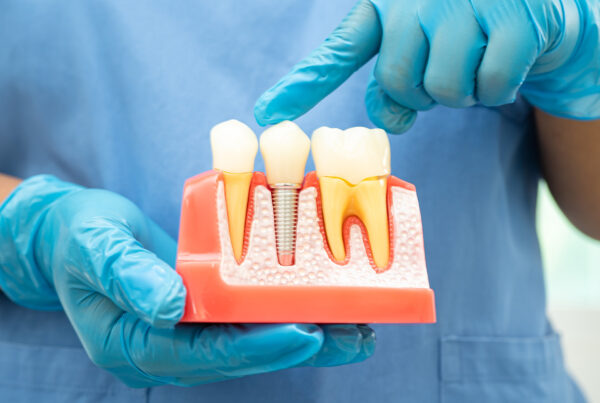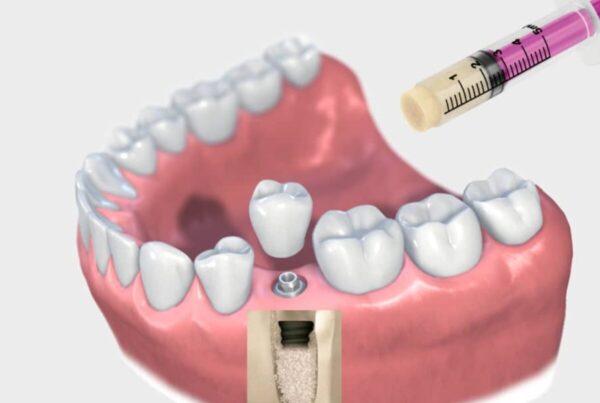





One of the most common questions people ask when considering dental implants is about their longevity. It’s a significant investment in oral health, so understanding how long you can expect them to serve you is crucial. The exciting truth is that dental implants can last a lifetime for many people. Unlike traditional bridges or dentures that often require replacement after a decade or so, dental implants are designed for remarkable durability. While the prosthetic tooth (crown, bridge, or denture) attached to the implant may need replacement after around 15 years due to normal wear and tear, the implant post itself, which is surgically placed into your jawbone, can potentially last a lifetime. Therefore, your dental implant may last a lifetime or a shorter period of time depending on various factors that we will explore in detail.
What Factors Affect the Lifespan of Dental Implants?
While dental implants boast an impressive success rate and are considered a permanent tooth replacement solution, their longevity isn’t universally guaranteed. Several critical factors can influence how long your dental implants will truly last, from biological elements to lifestyle choices and the quality of care received.
Jawbone Quality and Density
The success and lifespan of a dental implant heavily rely on a process called osseointegration, where the titanium implant fuses directly with the surrounding jawbone. If your jawbone quality is poor or lacks sufficient density, the implant may not integrate properly or might become unstable over time. In such cases, procedures like bone grafting may be necessary before implant placement to ensure a strong foundation.
Peri-Implantitis (Peri-implant Hastalığı)
This is a form of gum disease specifically affecting the tissues around a dental implant. Similar to periodontitis around natural teeth, peri-implantitis is caused by bacterial infection that leads to inflammation and progressive bone loss around the implant. If left untreated, it can severely compromise the implant’s stability, leading to implant failure. Maintaining excellent oral hygiene is paramount to preventing this condition.
Bruxism (Tooth Grinding)
Chronic teeth grinding or clenching, medically known as bruxism, puts immense and unnatural stress on both natural teeth and dental implants. The constant, excessive force can damage the implant components, loosen the implant from the bone, or even fracture the prosthetic tooth. Addressing bruxism with a night guard is essential for long-term implant survival.
Surgeon’s Expertise and Implant Quality
The skill and experience of your dental surgeon are crucial for the successful placement and long-term success of your dental implant. A precisely placed implant, considering bone structure and bite forces, is less prone to complications. Additionally, the quality of the implant materials themselves, including the design and biocompatibility of the titanium implant, significantly contributes to its lifespan. High-quality implants from reputable manufacturers generally offer better predictability and durability.
Trauma or Injuries
Just like natural teeth, dental implants can be susceptible to damage from direct trauma or injuries to the mouth. A fall, sports injury, or accident can potentially damage the implant or the surrounding bone, leading to loosening or implant failure.
Underlying Medical Conditions and Medications
Certain systemic medical conditions, such as uncontrolled diabetes, autoimmune disorders, or conditions requiring bisphosphonate medications, can affect bone healing and the body’s ability to maintain healthy bone density. These factors can potentially reduce the lifespan of dental implants. It’s vital to fully disclose your medical history to your dentist.
Location of the Implant in the Mouth
The position of the dental implant in your mouth can also influence its longevity. Implants placed in areas that experience higher chewing forces, such as the back molars, might be subjected to more wear and tear over time compared to implants in the front of the mouth. However, modern implant designs are robust enough to withstand these forces.
Patient’s Age and Overall Health
While age itself is not a barrier to receiving dental implants, a patient’s overall health and ability to heal play a role in long-term success. Younger patients’ implants have more time to potentially encounter issues, but good health practices can mitigate risks at any age. A healthy lifestyle supports robust healing processes and better oral health.
How Can You Make Your Dental Implants Last Longer?
The good news is that much of your dental implant’s lifespan is within your control. By adopting excellent habits and adhering to professional recommendations, you can significantly extend the life of your permanent tooth replacement.
Here’s a table summarizing factors and their impact:
| Factor | Impact on Implant Lifespan | How to Mitigate |
| Oral Hygiene | Poor hygiene leads to peri-implantitis. | Brush & floss daily, use interdental brushes. |
| Smoking/Heavy Drinking | Impairs healing, increases failure risk. | Avoid or reduce significantly. |
| Bruxism (Tooth Grinding) | Excessive force, potential component damage. | Use a custom-fitted night guard. |
| Regular Dental Visits | Early detection of issues is crucial. | Attend professional cleanings and check-ups every 6 months. |
| Diet | Hard/sticky foods can stress implants. | Exercise caution with very hard foods; chew thoughtfully. |
| Overall Health | Systemic diseases can affect bone health. | Manage chronic conditions, follow medical advice. |
Avoid Smoking and Excessive Alcohol Consumption
Smoking severely compromises healing processes and blood flow to the gums and bone, significantly increasing the risk of peri-implantitis and implant failure. Heavy alcohol consumption can also impede healing and overall oral health. Quitting smoking and moderating alcohol intake are critical for implant longevity.
Maintain Excellent Oral Hygiene (Brush and Floss Daily)
This is perhaps the single most important factor. Just like natural teeth, dental implants require meticulous oral care to prevent plaque buildup, gum disease, and peri-implantitis. Brush at least twice a day with a soft-bristled brush, and floss daily, paying special attention to the areas around your dental implants. Your dentist or hygienist can recommend specialized brushes or cleaning tools for implant care.
Attend Regular Dental Check-ups and Professional Cleanings (Every 6 Months)
Routine visits to your dentist are non-negotiable for implant longevity. During these appointments, your dentist will monitor the health of your implants, surrounding gums, and bone. They can detect early signs of peri-implantitis or other issues that might not be obvious to you. Professional cleanings will remove hardened plaque (tartar) that regular brushing can’t, maintaining optimal gum health around your dental implants.
Address Bruxism (Tooth Grinding) with a Night Guard
If you grind or clench your teeth, especially at night, discuss this with your dentist. A custom-fitted night guard can protect your dental implants (and natural teeth) from the excessive forces of bruxism, helping to preserve their integrity and ensure their long-term success.
How Do You Know If Your Dental Implant Is Failing?
While dental implant failure is rare, especially with proper care, it’s essential to be aware of the signs. Recognizing these symptoms early can allow for prompt intervention and potentially save the implant.
Key indicators of a failing dental implant include:
- Pain or discomfort that persists or worsens, especially when chewing or touching the implant.
- Swelling or redness around the implant site.
- The mobility or loosening of the implant itself (not just the crown).
- Gum recession around the implant, exposing more of the implant post.
- A persistent bad taste or pus coming from the implant area.
- Difficulty or pain when chewing or biting.
If you experience any of these symptoms, it’s crucial to contact your dentist immediately for an evaluation.
What Are the Treatment Options for a Failed Dental Implant?
If a dental implant is diagnosed as failing, the treatment approach will depend on the cause and severity of the failure. In some cases, if the issue is detected early (e.g., mild peri-implantitis), non-surgical treatments like deep cleaning and antibiotics might be sufficient.
However, if the implant has lost significant bone support or has become mobile, it may need to be removed. After the removal of the failed implant, the site is carefully cleaned, and any infection is treated. Often, a period of healing is required, which may include bone grafting to rebuild the lost jawbone. Once the bone has healed and is deemed healthy and sufficient, a new dental implant can often be placed in the same location, offering another chance at permanent tooth replacement.
Dental Implants at Dr. Wonder Clinic
At Dr. Wonder Clinic, we understand that investing in dental implants is an important decision for your oral health and quality of life. Our team of experienced dental surgeons and dedicated staff is committed to providing exceptional patient care, utilizing the latest technology and highest quality implant materials to ensure the long-term success of your dental implants. We focus not only on precise placement but also on comprehensive post-operative care instructions and ongoing support to help you make your dental implants truly last a lifetime. Contact us today to schedule a consultation and discuss how dental implants can restore your smile and confidence.