




Dental implants have revolutionized restorative dentistry, offering a durable and aesthetically pleasing solution for missing teeth. Far more than just a cosmetic fix, they provide a strong foundation for replacement teeth that look, feel, and function like natural ones. However, a common question for anyone considering this life-changing procedure is: “How much do dental implants cost?” The price can vary significantly, influenced by numerous factors including the type of implant, the location of the clinic, and any additional procedures required. Understanding these variables is key to budgeting for your dental implant journey.
To give you an immediate overview, here’s a comprehensive table detailing the price ranges for various types of dental implants across different popular destinations:
How Is a Dental Implant Made?
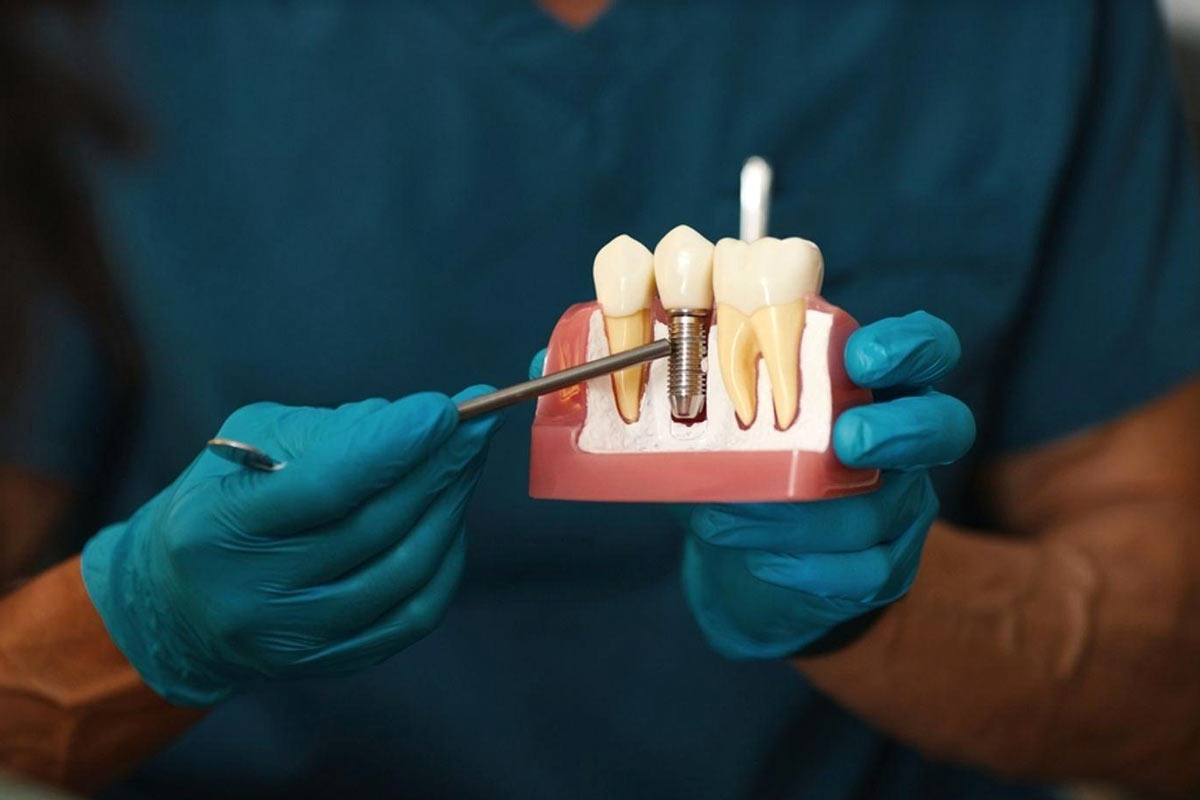
Before diving deeper into costs, it’s essential to understand the intricate process of dental implant placement. A dental implant is essentially an artificial tooth root, typically made of titanium, that is surgically placed into the jawbone beneath the gum line. This metal post acts as an anchor for a replacement tooth or bridge. The process typically involves several stages:
- Initial Consultation and Planning: This involves a thorough examination, including X-rays, CT scans, and a review of your medical history, to determine if you are a suitable candidate for dental implants. This crucial step ensures proper bone density and overall oral health.
- Implant Placement Surgery: During this outpatient procedure, the dental implant is surgically inserted into the jawbone. This is usually done under local anesthesia, though sedation options are available.
- Osseointegration (Healing Period): This is perhaps the most critical stage. Over several months (typically 3 to 6 months), the jawbone fuses with the surface of the dental implant in a process called osseointegration. This creates a strong, stable base for your new tooth, mimicking the natural tooth root.
- Abutment Placement: Once osseointegration is complete, a small connector post, called an abutment, is attached to the implant. This part extends above the gum line and will hold the prosthetic tooth.
- Crown/Prosthesis Placement: After the gums heal around the abutment (a few weeks), a custom-made crown, bridge, or denture is attached. This final restoration is meticulously designed to match your natural teeth in shape, size, and color, ensuring a seamless blend with your smile.
Understanding this multi-stage process helps explain why dental implant treatment is a significant investment and requires specialized expertise and materials.
Factors That Affect the Cost of Dental Implants
The price tag for dental implants is not uniform; it’s a complex equation influenced by several key variables. Being aware of these factors will help you understand your personalized quote.
1. Number of Dental Implants
Unsurprisingly, the quantity of implants needed is a primary cost driver. A single tooth implant will naturally be less expensive than a full mouth implant solution. As seen in our table, procedures like All-on-4 dental implants or All-on-6 dental implants, which involve placing a specific number of implants to support a full arch of teeth, come with a higher price point due to the increased surgical complexity, materials, and prosthetic components required. The more missing teeth you have and the more implants required to support the restorations, the higher the total cost.
2. Prep Costs of Dental Implant Prices
Before an implant can be placed, some patients may require preparatory procedures to ensure the jawbone is healthy and strong enough to support the implant. These “prep costs” can significantly add to the overall price.
- Tooth Extractions: If a damaged tooth needs to be removed before implant placement, this will be an additional cost. The complexity of the extraction can influence the price.
- Bone Grafting: Many patients, especially those who have been missing teeth for a long time, may have insufficient bone density in their jaw. Bone grafting involves adding bone material (from your own body, a donor, or synthetic material) to the jaw to create a solid foundation for the implant. This is a common and often necessary additional procedure.
- Sinus Lift: If implants are needed in the upper jaw, near the molars, the maxillary sinuses might be too close to the jawbone to allow for safe implant placement. A sinus lift (or sinus augmentation) procedure involves lifting the sinus membrane and adding bone material to create more space, allowing for sufficient bone height for the implant.
- Gum Disease Treatment: Active gum disease must be treated before implant surgery to ensure the long-term success of the implant. This could involve deep cleaning (scaling and root planing) or other periodontal treatments.
These preparatory procedures are vital for the success and longevity of your dental implants but contribute significantly to the overall dental implant cost.
3. Sedation Dentistry Options
The level of comfort during your dental implant procedure can also influence the price. While local anesthesia is standard and usually included, many patients opt for additional sedation dentistry options to manage anxiety or discomfort.
- Nitrous Oxide (Laughing Gas): This is a mild sedative inhaled through a mask, helping patients relax. It’s relatively inexpensive.
- Oral Sedation: Patients take a prescribed pill before the procedure to induce a relaxed state. This provides a deeper level of relaxation than nitrous oxide.
- IV Sedation: Administered intravenously, IV sedation provides a deeper level of consciousness reduction, making you feel very drowsy and often having little to no memory of the procedure. This requires careful monitoring and the presence of an anesthesiologist, which adds to the cost.
- General Anesthesia: In complex cases or for highly anxious patients, general anesthesia might be used, rendering you completely unconscious. This is the most expensive sedation option due to the specialized equipment and medical staff required.
The choice of sedation depends on your comfort level, the complexity of the procedure, and your dentist’s recommendation, each with its own cost implication.
The Cost of Dental Implant in Euro
As highlighted in our price table, the cost of dental implant treatment can vary dramatically when quoted in Euros, particularly between European countries and Turkey. For instance, a single tooth implant in Turkey can range from 350€ to 1350€, a stark contrast to 2000€ to 3500€ in other parts of Europe. Similarly, full mouth implant procedures in Turkey are quoted between 15,000€ and 17,000€, while in Europe, they can soar to 10,000€ to 35,000€. This significant difference makes countries like Turkey incredibly attractive for dental tourism, where patients can receive high-quality care at a fraction of the cost found in Western European nations or the United Kingdom. These price discrepancies are largely due to differences in living costs, labor wages, and clinic overheads, rather than a compromise on the quality of materials or expertise of the dental professionals.
Does Insurance Cover Dental Implants?
This is a frequently asked question with a complex answer. Generally, most dental insurance plans do not fully cover dental implants, as they are often classified as a “cosmetic” procedure rather than a “medically necessary” one. However, this is starting to change. Some progressive insurance providers are recognizing the long-term health benefits of dental implants and are beginning to offer partial coverage.
- Medical vs. Dental Coverage: In some cases, if the tooth loss was due to an accident or a medical condition (like cancer treatment), your medical insurance might cover a portion of the costs. It’s crucial to check with both your dental and medical insurance providers.
- Basic vs. Major Procedures: Many plans might cover the “basic” aspects of the procedure, such as extractions or bone grafting, but not the implant itself or the crown.
- Annual Maximums: Even if your plan offers some coverage, it will likely be subject to your annual maximum benefit, which might be far less than the total cost of the implant.
It is essential to contact your insurance provider directly and clarify their specific policies regarding dental implant coverage. Get everything in writing and understand what is covered and what isn’t before proceeding with treatment.
Are Dental Implants Tax Deductible?
In some countries, dental implants and related dental work can be considered a tax-deductible medical expense, provided they exceed a certain percentage of your Adjusted Gross Income (AGI). This largely depends on the tax laws of your specific country.
- United States: In the U.S., medical and dental expenses that exceed 7.5% of your AGI can often be itemized deductions. This includes costs for diagnosis, cure, mitigation, treatment, or prevention of disease, or for the purpose of affecting any structure or function of the body. Since dental implants restore function and prevent further oral health issues, they generally qualify.
- United Kingdom: In the UK, medical expenses are generally not tax deductible for individuals unless they are related to employment. However, there might be specific circumstances or benefits to explore; consulting a tax advisor is crucial.
- Europe (General): Tax deductibility varies widely by country within Europe. Some nations offer tax relief for significant medical expenses, while others do not.
Always consult with a qualified tax professional in your country to determine if your dental implant costs can be deducted and what documentation you would need to support your claim. Keep meticulous records of all your dental implant-related expenses.
Why Do Dental Implants Cost So Much?
The seemingly high cost of dental implants can be daunting, but it’s important to understand what you’re paying for. Several factors contribute to the price tag:
- High-Quality Materials: Dental implants are made from biocompatible materials like titanium, which are expensive to produce and process. These materials are chosen for their ability to integrate with bone and withstand chewing forces for decades.
- Advanced Technology and Equipment: Implant dentistry requires specialized diagnostic tools (e.g., 3D CT scans for precise planning), surgical equipment, and advanced laboratory technology to custom-fabricate crowns and prosthetics.
- Expertise of Dental Professionals: Dental implant surgery is a highly specialized field. The procedure is performed by dentists who have undergone extensive additional training and education in implantology, oral surgery, or periodontics. Their expertise, precision, and experience are significant components of the cost.
- Time and Multiple Appointments: As detailed earlier, the dental implant procedure is not a single appointment. It involves multiple stages over several months, each requiring the dentist’s time, the dental team’s support, and clinic resources.
- Customization: Each implant and prosthetic tooth is custom-designed and fabricated for the individual patient, ensuring a perfect fit, function, and aesthetic. This personalized approach requires skilled lab technicians and precise measurements.
- Longevity and Success Rates: When properly placed and cared for, dental implants have a very high success rate (over 95%) and can last a lifetime, unlike other restorative options that may need frequent replacement. This long-term value contributes to the initial investment.
Essentially, the cost reflects the quality of materials, the advanced technology, the specialized skills of the dental team, and the long-term benefits and durability that dental implants offer.
Are Dental Implants Worth the Investment?
Absolutely. While the upfront cost of dental implants can seem substantial, they are widely considered to be an excellent long-term investment in your oral health and overall quality of life. Here’s why:
- Durability and Longevity: Unlike dentures or bridges, dental implants are designed to be a permanent solution. With proper care, they can last a lifetime, eliminating the need for costly replacements every 5-10 years, which is common with traditional alternatives.
- Improved Oral Health: Implants do not require the alteration of adjacent healthy teeth, as bridges do. They also help preserve bone structure by preventing the bone loss that typically occurs when teeth are missing, thus maintaining facial structure.
- Enhanced Functionality: Dental implants function like natural teeth. You can eat your favorite foods without worry, speak clearly, and laugh confidently, without the fear of your teeth slipping or clicking, as can happen with removable dentures.
- Superior Aesthetics: Custom-made crowns on implants are virtually indistinguishable from natural teeth, providing a beautiful and natural-looking smile.
- Comfort and Convenience: They eliminate the discomfort, adhesives, and removal routines associated with dentures. Once integrated, you often forget you even have them.
- Prevention of Further Issues: By filling gaps, implants prevent adjacent teeth from shifting and eliminate food traps, reducing the risk of gum disease and decay in remaining natural teeth.
Considering the lifelong benefits in terms of comfort, function, aesthetics, and oral health preservation, the long-term value of dental implants often outweighs the initial investment cost.
Dental Implants Costs FAQs
Here are answers to some of the most common questions about dental implant costs:
What is typically included in the “total cost” of a dental implant?
A comprehensive quote for a dental implant usually includes the implant post itself, the abutment (connector), and the final crown (the visible tooth). However, it might not always include initial consultations, diagnostic imaging (X-rays, CT scans), preparatory procedures like bone grafts or extractions, or sedation fees. Always ask for an itemized breakdown of costs.
Are there hidden costs to expect with dental implants?
While reputable clinics are transparent, unexpected costs can arise if initial assessments don’t fully reveal all necessary preparatory procedures (e.g., a more extensive bone graft than anticipated). Also, the cost of post-operative medications or unexpected complications might not be included. Always clarify what is and isn’t covered in your quote.
How long do dental implants last?
With proper oral hygiene and regular dental check-ups, the dental implant post itself can last a lifetime. The crown attached to the implant may need replacement after 10-15 years due to normal wear and tear, but the foundation remains.
Are consultations for dental implants usually free?
As shown in our table, consultation fees vary greatly by location. In Turkey, many clinics offer free consultations (0€) to attract international patients. In Europe, the UK, and the US, consultation fees can range from 50€/£/$ to 450€/£/$. It’s always best to inquire about consultation fees when booking your appointment.
Book a Consultation Now
Ready to reveal your best smile? Book a Consultation now with Dr. Wonder clinic to discover how our specialist team can expertly craft your perfect, distinctively brilliant smile.