



GET OFFER
Other Treatments
Jaw Surgery (Orthognathic Surgery) in Turkey
Jaw surgery Turkey, medically known as orthognathic surgery, is a highly specialized and transformative field of oral and maxillofacial surgery. It is dedicated to the precise correction of jawbone irregularities, which in turn improves bite alignment, enhances facial harmony, and restores crucial functional efficiency. This advanced surgical discipline is an essential solution for patients suffering from severe malocclusion, congenital jaw deformities, skeletal damage resulting from trauma, and debilitating airway-related conditions like obstructive sleep apnea. Patients seeking jaw realignment surgery often find that conventional orthodontic treatments alone are insufficient to address the underlying skeletal issues causing their problems.
In Turkey, the performance of jaw surgery is a hallmark of modern medical expertise. Procedures are carried out in internationally accredited hospitals by a team of highly skilled surgeons and orthodontists. These medical professionals leverage cutting-edge technology, including advanced diagnostic imaging, computer-assisted surgical planning, and minimally invasive techniques. This meticulous approach ensures that patients achieve both outstanding functional outcomes and aesthetically pleasing results. The country has become a prominent destination for medical tourism, with many international patients traveling to undergo procedures like double jaw surgery in Turkey. They are drawn by the exceptional combination of world-class medical expertise, state-of-the-art facilities, and competitive pricing that makes quality care accessible.
What is Jaw (Orthognathic) Surgery?
Orthognathic surgery is a reconstructive procedure that meticulously repositions one or both jawbones to rectify underlying skeletal and dental misalignments. Unlike purely cosmetic procedures such as jaw contouring or V-line surgery that focus primarily on appearance, orthognathic treatment targets the fundamental skeletal problems that cannot be fixed with braces alone. The primary goal is to establish a stable and functional bite, which in turn leads to significant improvements in a patient’s quality of life.
Common and compelling reasons for considering orthognathic surgery include:
- Severe overbite, underbite, or crossbite stemming from a fundamental jaw misalignment.
- Facial asymmetry caused by disproportionate or uneven jaw growth.
- Chronic jaw joint pain or temporomandibular joint disorders (TMJ/TMD) that are secondary to a misaligned bite.
- Significant difficulty chewing or swallowing food.
- Speech problems such as lisps or slurred speech that are a direct result of skeletal discrepancies.
- Breathing difficulties, including mouth breathing and obstructive sleep apnea, which are often linked to a retruded jaw position.
By restoring optimal jaw alignment, orthognathic surgery not only enhances essential functions like chewing, breathing, and speaking but also dramatically improves facial aesthetics and overall balance, providing a more harmonious and confident appearance. This is a crucial distinction, as the aesthetic improvements are a direct and beneficial result of correcting the underlying functional issues.
How is Orthognathic Surgery Performed?
The journey to a successful orthognathic surgical outcome is a multi-phase process that requires close collaboration between the surgeon and the orthodontist. The four major phases are meticulously planned to ensure precision and long-term stability.
- Initial Consultation and Diagnostics: The process begins with a comprehensive physical examination by the oral and maxillofacial surgeon. They will review your complete medical history and order a series of advanced diagnostic tests, which typically include 3D CT scans, cephalometric X-rays, and detailed dental impressions. The data from these tests is then used for sophisticated virtual surgical planning, allowing the surgical team to simulate the exact bone movements and predict the final outcome with remarkable accuracy before the surgery even begins. This virtual planning is a cornerstone of modern orthognathic surgery.
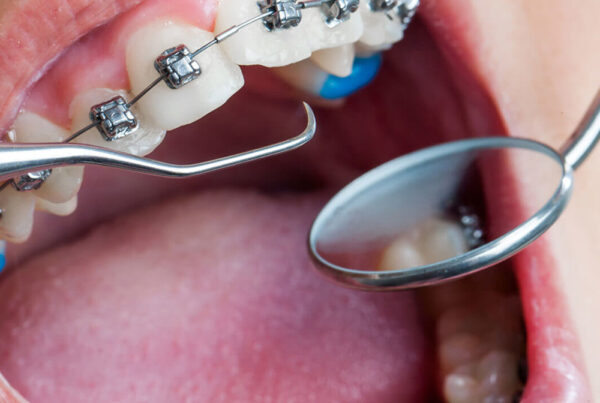
- Pre-Surgical Orthodontics: This phase is an indispensable part of the overall treatment plan. For a period typically ranging from 12 to 18 months, braces or clear aligners are used to meticulously align the teeth. The purpose is not just to straighten the teeth but to position them correctly so that they will fit together perfectly in their new, post-surgical jaw positions. This orthodontic preparation is a critical step for achieving a stable and functional bite after the surgery.
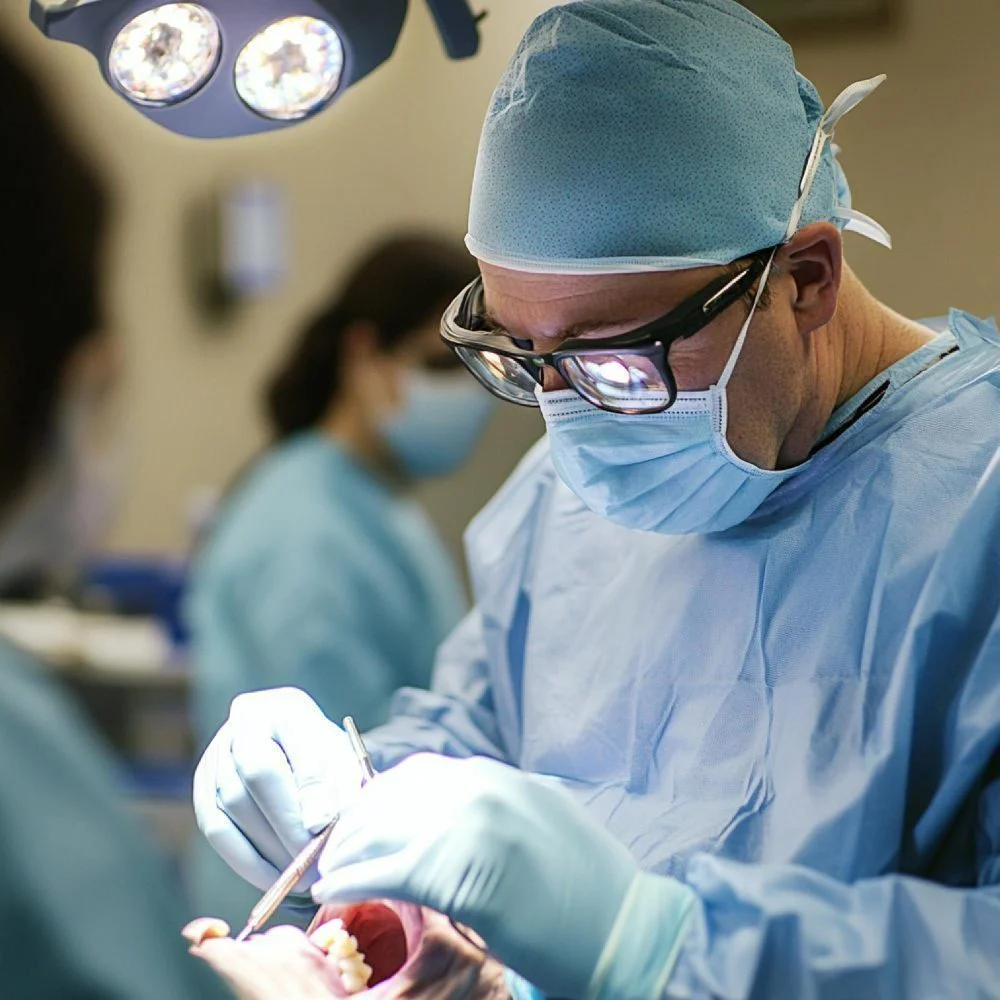
- Surgical Procedure: Performed under general anesthesia, the surgery itself is carried out with a focus on precision and minimal scarring. The surgeon makes intraoral incisions, meaning all cuts are made inside the mouth, leaving no visible external scars on the face. Using specialized tools, the jawbones are carefully cut, repositioned, and then securely fixed in their new alignment using biocompatible titanium plates and screws. In the case of double jaw surgery, which is a combined upper jaw surgery (LeFort I Osteotomy) and lower jaw surgery (Sagittal Split Ramus Osteotomy), both the maxilla and mandible are operated on in the same session, requiring careful coordination and expertise.
- Post-Surgical Care and Orthodontics: Patients typically remain in the hospital for 1 to 3 days for initial monitoring and pain management. After discharge, the recovery process begins, and orthodontic treatment continues for another 6 to 12 months. This final phase of orthodontics is essential for fine-tuning the bite and ensuring the teeth are perfectly settled into their new positions, which guarantees a long-lasting and functional result.
Before and After Orthognathic Surgery
A successful outcome from orthognathic surgery in Turkey is the result of meticulous planning and disciplined patient adherence to medical advice. The journey requires commitment both before and after the procedure.
Before Surgery
- Orthodontic alignment is the primary preparatory step, ensuring teeth are in the ideal position for the post-surgery bite.
- Nutritional counseling is often provided to help patients maintain optimal health and ensure a smooth recovery.
- 3D simulation provides a preview of the potential results, helping patients visualize the future changes to their facial structure and bite.
- Psychological preparation is crucial, as the recovery process requires patience and strict adherence to post-operative instructions. Patients need to be ready for the temporary changes and limitations that recovery brings.
After Surgery – Recovery Timeline
- Week 1: Patients will experience significant swelling, mild discomfort, and will be on a liquid diet. Pain is managed effectively with medication. Post-op care during this time is focused on rest and swelling reduction.
- Week 2–3: The major swelling begins to subside, and patients can gradually transition to a soft foods diet, moving away from pure liquids.
- Month 2–3: Bone healing progresses significantly. Patients can expect their normal speech patterns to return, and they can often start eating a more varied, though still soft, diet.
- Month 4–6: The majority of bone consolidation has occurred, and patients can begin to return to most normal activities, including eating a wider range of foods. Orthodontic adjustments continue during this phase.
- Month 6–12: Full bone consolidation is typically achieved, and the final aesthetic outcome becomes fully visible. This is the period where the orthodontic refinements are finalized, leading to the completion of the treatment.
How Long Does Orthognathic Surgery Take?
The duration of the surgical procedure and the subsequent recovery periods are important considerations for patients planning their treatment and travel.
- Single jaw surgery: The procedure typically takes between 2–4 hours.
- Double jaw surgery: This more complex procedure usually requires 4–6 hours.
- Hospital stay: Most patients stay in the hospital for 1–3 days following the surgery for observation.
- Initial recovery: The period of significant swelling and dietary restrictions lasts approximately 4–6 weeks.
- Complete healing: The full recovery, including bone consolidation and final orthodontic work, can take 6–12 months.
General Things to Consider in Orthognathic Surgery
When considering jaw surgery in Turkey, it is essential to be well-informed and to choose a reputable provider.
- Always choose a board-certified oral and maxillofacial surgeon with extensive experience in orthognathic procedures.
- Ensure a full diagnostic work-up is performed, including a detailed jaw function analysis and an airway assessment, especially if sleep apnea is a concern.
- Understand that jaw surgery recovery is a gradual process; the immediate results are not the final outcome. The full aesthetic and functional benefits will become apparent over several months.
- Compliance with post-op instructions is absolutely critical for the long-term success and stability of the surgical results. This includes following dietary restrictions, maintaining hygiene, and attending all follow-up appointments.
What Should Be Done After Jaw Surgery?
Post-operative care is a non-negotiable part of the healing process. Adhering to the surgeon’s instructions is vital to prevent complications and ensure optimal healing.
- Follow a soft or liquid diet for the first 4–6 weeks as prescribed. This protects the healing jawbones and prevents any stress on the surgical sites.
- Maintain meticulous oral hygiene using prescribed antiseptic rinses and a soft toothbrush to prevent infection.
- Avoid strenuous activity for at least one month to prevent increased blood pressure and swelling.
- Attend all scheduled follow-up and orthodontic appointments to ensure proper healing and bite refinement.
- Sleep with your head elevated for the first week to help reduce swelling. This can be done with extra pillows or by using a recliner.
Who Needs Jaw Surgery?
Jaw surgery is a solution for specific, medically indicated conditions. Candidates for the procedure typically include:
- Adults with severe skeletal malocclusion that cannot be corrected with orthodontics alone.
- Patients with facial bone deformities resulting from congenital conditions or trauma.
- Individuals diagnosed with obstructive sleep apnea where the jaw position is identified as a contributing factor.
- People with TMJ disorders that are secondary to a significant jaw misalignment.
Orthognathic Treatment for Dental Problems
When dental misalignments are fundamentally caused by skeletal discrepancies—meaning the jaws themselves are not in the correct position—orthodontics alone cannot achieve a truly functional and stable result. In these cases, orthognathic treatment is the only way to effectively correct the problem. By surgically repositioning the jawbones, it creates a stable foundation, enabling proper bite function and ensuring long-term dental stability. This combined approach of surgery and orthodontics is often referred to as orthodontic-surgical treatment.
Why Should You Choose Dr. Wonder Clinic for Orthognathic Surgery?
Dr. Wonder Clinic has established itself as a leading choice for jaw surgery in Turkey by providing a comprehensive, patient-centered experience.
- Internationally trained maxillofacial surgeons with deep expertise in complex orthognathic procedures.
- State-of-the-art operating rooms equipped with advanced technology, including 3D surgical navigation systems for enhanced precision.
- Comprehensive treatment plans that cover the entire journey, from initial diagnostics and virtual planning to the final post-operative orthodontic care.
- Specialized medical tourism packages designed for international patients, which can include accommodation, transportation, and dedicated translation services.
Jaw (Orthognathic) Surgery in Turkey Price
Turkey has become a global hub for jaw surgery not only for its high medical standards but also for its exceptionally affordable costs. The country offers a patient-centered approach that combines quality care with financial accessibility, making it an attractive destination for international patients.
Orthognathic Surgery Cost in Turkey
- Single jaw surgery: The price typically ranges between $5,000–$7,000.
- Double jaw surgery: The cost for this more extensive procedure is usually between $8,000–$12,000.
- Prices vary based on several factors, including the complexity of the case, the specific hospital chosen, the surgeon’s fees, and any additional treatments or services required.
Medical Tourism Advantages
- Lower cost compared to similar procedures in countries in Europe and North America, often with no compromise on quality.
- Access to surgeons with extensive global training and experience.
- Short waiting times for surgery, allowing patients to plan their treatment more efficiently.
- The opportunity to combine a significant medical procedure with a relaxing trip to Turkey.
International Patient Experience
Hospitaprime has streamlined the experience for international patients by offering a full suite of services. This includes airport pickup, arrangements for private accommodation, support from multilingual coordinators who guide you through every step, and detailed post-surgical care instructions specifically tailored for a smooth recovery overseas and after returning home.
Our Perspective on Orthognathic Surgery
At Hospitaprime, we view jaw surgery as far more than a cosmetic enhancement. It is a medically essential procedure aimed at restoring proper function, alleviating pain, and dramatically improving a patient’s quality of life. The ultimate goal is not just a more balanced and aesthetically pleasing face, but the long-term stability of jaw alignment and the overall health of the entire oral and maxillofacial system. We believe that by correcting these underlying skeletal issues, we provide patients with a foundation for a healthier and more comfortable future.
Advanced Jaw Surgery Techniques in Contemporary Maxillofacial Practice
Modern maxillofacial surgery offers a variety of specialized techniques to address specific jaw and facial irregularities. These procedures are often combined to achieve the best possible functional and aesthetic results.
| Technique | Purpose | Average Recovery Time |
| Sagittal Split Ramus Osteotomy | Corrects forward/backward lower jaw position | 6–8 weeks |
| Genioplasty | Reshapes the chin for facial harmony | 4–6 weeks |
| Mandibuloplasty | Refines lower jaw contour | 6–8 weeks |
| Mandibular Osteotomy | Repositions lower jaw | 6–8 weeks |
| V Shaped Jaw Surgery | Slims jaw angle for V-line shape | 6–8 weeks |
| Jaw Line Surgery | Enhances jawline definition | 4–6 weeks |
| LeFort I Osteotomy | Moves upper jaw up, down, or forward | 6–8 weeks |
| LeFort I Multipiece Osteotomy | Repositions upper jaw segments | 8–10 weeks |
| LeFort II Osteotomy | Advances midface structure | 8–12 weeks |
| LeFort III Osteotomy | Moves entire midface forward | 10–12 weeks |
| SARPE Osteotomy | Expands upper jaw in adults | 6–8 weeks |
| MARPE Treatment | Non-surgical palatal expansion | 4–6 weeks |
| Palatal Expansion Osteotomy | Widens the upper jaw | 6–8 weeks |
| Jaw Reduction Osteotomy | Reduces jaw size | 6–8 weeks |
| Jaw Prosthesis | Reconstructs jawbone | 8–12 weeks |
| Maxillary Osteotomy | Corrects upper jaw deformities | 6–8 weeks |
Technique Details
Sagittal Split Ramus Osteotomy: This is a core technique in orthognathic surgery. It is used to advance or set back the mandible by carefully splitting the ramus bone. This procedure provides stable repositioning while preserving the nerve integrity, which is crucial for maintaining sensation in the lower lip and chin.
Genioplasty: Often performed in conjunction with other orthognathic procedures, genioplasty adjusts the chin’s height, projection, or symmetry. It is vital for correcting facial proportions and achieving a balanced profile.
Mandibuloplasty: This procedure focuses on reshaping the contours of the lower jaw, which may involve removing excess bone or adjusting angles to create a more refined and defined jawline. It is a key component of aesthetic jaw surgery.
Mandibular Osteotomy: This broad term refers to the surgical correction of discrepancies in the length or position of the mandible. It is a fundamental procedure for resolving functional malocclusions.
V Shaped Jaw Surgery: A popular aesthetic procedure, it involves contouring the jaw angles and chin to create a slender, V-line shape, which is a highly sought-after facial feature in many cultures.
Jaw Line Surgery: This procedure can either strengthen or soften the jawline contour, using techniques such as bone reshaping or the placement of jaw implants to achieve the desired effect.
LeFort I Osteotomy: This versatile procedure is used to move the upper jaw (maxilla) in all planes: up, down, forward, or backward. It is critical for correcting conditions like an open bite or vertical maxillary excess, where the upper jaw appears too long.
LeFort I Multipiece Osteotomy: A more advanced variant, this technique allows the surgeon to segment the upper jaw and reposition its parts independently. This is particularly useful for targeted adjustments to the dental arch and occlusion.
LeFort II Osteotomy: This technique addresses midface retrusion, where the middle portion of the face, including the nasal and maxillary complex, is set back. It advances this entire structure forward to improve both aesthetics and function.
LeFort III Osteotomy: This is a major craniofacial procedure used to move the entire midface forward. It is typically reserved for severe craniofacial anomalies.
SARPE Osteotomy: Surgically Assisted Rapid Palatal Expansion (SARPE) is a procedure that expands the maxilla in adult patients by surgically weakening the bone to facilitate the action of a palatal expander.
MARPE Treatment: Minimally Invasive Rapid Palatal Expansion uses mini-implants to anchor the expander, often allowing for expansion without a full osteotomy.
Palatal Expansion Osteotomy: This is a surgical procedure to widen the upper jaw, creating more space for teeth and improving the airway.
Jaw Reduction Osteotomy: This procedure removes bone from the jaw angles and body to reduce the width of the lower face, improving facial proportions.
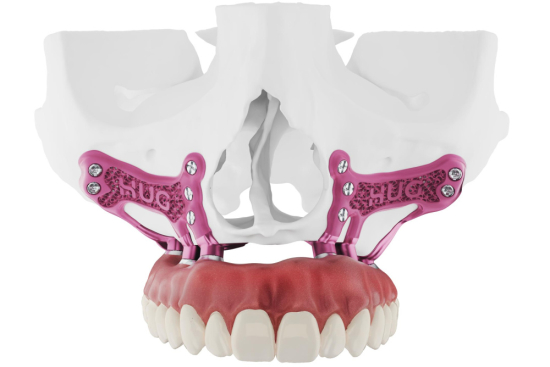
Jaw Prosthesis: For cases involving congenital defects, trauma, or tumor removal that result in significant jawbone loss, an implant-based prosthesis is used for reconstruction.
Maxillary Osteotomy: This general term encompasses procedures that reposition the upper jaw to correct occlusion and facial proportion issues.
Side Effects, Risks, and Complications
While orthognathic surgery is a safe and highly successful procedure, like any major surgery, it carries potential side effects and risks that patients should be aware of.
- Swelling and bruising: These are the most common and temporary side effects, peaking in the first few days after surgery before gradually subsiding.
- Nerve numbness: Temporary numbness in the lips or chin is common due to nerve manipulation during surgery. It is typically temporary, and sensation gradually returns over weeks or months.
- Infection risk: This is minimized through the use of prophylactic antibiotics and adherence to meticulous post-operative hygiene protocols.
- Relapse: The jawbones can occasionally shift back toward their original positions if post-operative instructions are not followed, particularly regarding diet and exercise.
- Hardware irritation: In rare cases, the titanium plates or screws used to fix the bones may cause irritation and need to be removed in a minor subsequent procedure.
Effective management involves early detection, prompt treatment of any complications, and strict adherence to post-operative care protocols.
Orthognathic Surgery Post Operative Care
A detailed post-operative care plan is provided to every patient to ensure a smooth and successful recovery.
- Week 1–2: Patients are on a strict liquid diet to protect the healing bones. Swelling control is managed with cold compresses, and talking is kept to a minimum.
- Weeks 3–4: A soft foods diet is introduced. Patients may be encouraged to start light jaw exercises as advised by their surgeon.
- Months 2–3: Orthodontic adjustments begin to fine-tune the bite. A normal diet is gradually reintroduced as the patient’s comfort and healing progress.
- Months 4–6: Patients can slowly return to high-impact activities and resume a regular lifestyle.
- Months 6–12: This period is dedicated to final orthodontic refinements, ensuring the perfect bite and full bone healing.





