




Dental bone graft recovery typically takes 3-6 months for complete healing, though initial recovery occurs within the first 2 weeks. During this period, patients experience predictable healing stages including immediate post-operative swelling (days 1-3), tissue integration (weeks 1-2), early bone formation (weeks 2-8), and complete osseointegration (months 3-6). Understanding proper aftercare protocols, recognizing potential side effects like swelling and discomfort, and following specific recovery guidelines are crucial for successful bone regeneration and optimal preparation for dental implants or other restorative procedures.
Dental Bone Graft Recovery Timeline Overview
| Recovery Phase | Timeframe | What Happens | Key Symptoms | Critical Care Actions |
|---|---|---|---|---|
| Immediate Post-Op | Days 1-3 | Initial healing, clot formation | Peak swelling, moderate pain, bleeding | Ice packs, rest, medication compliance |
| Early Healing | Days 4-14 | Swelling reduction, tissue closure | Decreasing discomfort, bruising | Soft diet, gentle oral hygiene |
| Intermediate Phase | Weeks 2-8 | Soft tissue healing, early bone integration | Minimal symptoms, gradual improvement | Return to normal activities cautiously |
| Bone Maturation | Months 3-6 | Complete osseointegration | No symptoms, full function | Regular dental checkups, implant planning |
| Final Integration | Months 6-9 | Mature bone formation ready for implants | Complete healing | Evaluation for next treatment phase |
Understanding Dental Bone Graft Healing Stages
The dental bone graft healing process follows a predictable biological sequence that determines the success of your bone regeneration. Each healing stage involves complex cellular activities and tissue remodeling.
Stage 1: Immediate Post-Operative Period (Days 1-7)
During the first week after your bone grafting procedure, the surgical site undergoes critical initial healing. Blood clot formation is essential during this phase, creating a protective matrix that allows healing cells to migrate into the graft area.
Post-operative swelling peaks within 48-72 hours after surgery, which is a normal inflammatory response. This swelling after dental bone graft typically affects the cheek, jaw, and sometimes extends to the neck area. The body’s immune response brings healing cells to the graft site, causing temporary discomfort and visible facial swelling.
Pain management during this stage is crucial. Most patients experience moderate discomfort that is well-controlled with prescribed pain medications. The pain level should gradually decrease each day, with significant improvement by day 5-7.
Stage 2: Early Tissue Integration (Weeks 1-3)
The second healing stage involves soft tissue healing and early bone graft integration. The graft material begins incorporating into your existing jawbone structure, though it remains fragile during this period.
Swelling reduction becomes noticeable, with most visible swelling resolving by week 2. However, some residual internal swelling may persist, which is why patients should continue following dietary restrictions and activity limitations.
If you experience pain 3 weeks after dental bone graft, this warrants professional evaluation. While mild sensitivity is normal, persistent or increasing pain could indicate complications such as infection or graft failure.
Stage 3: Bone Consolidation (Months 1-3)
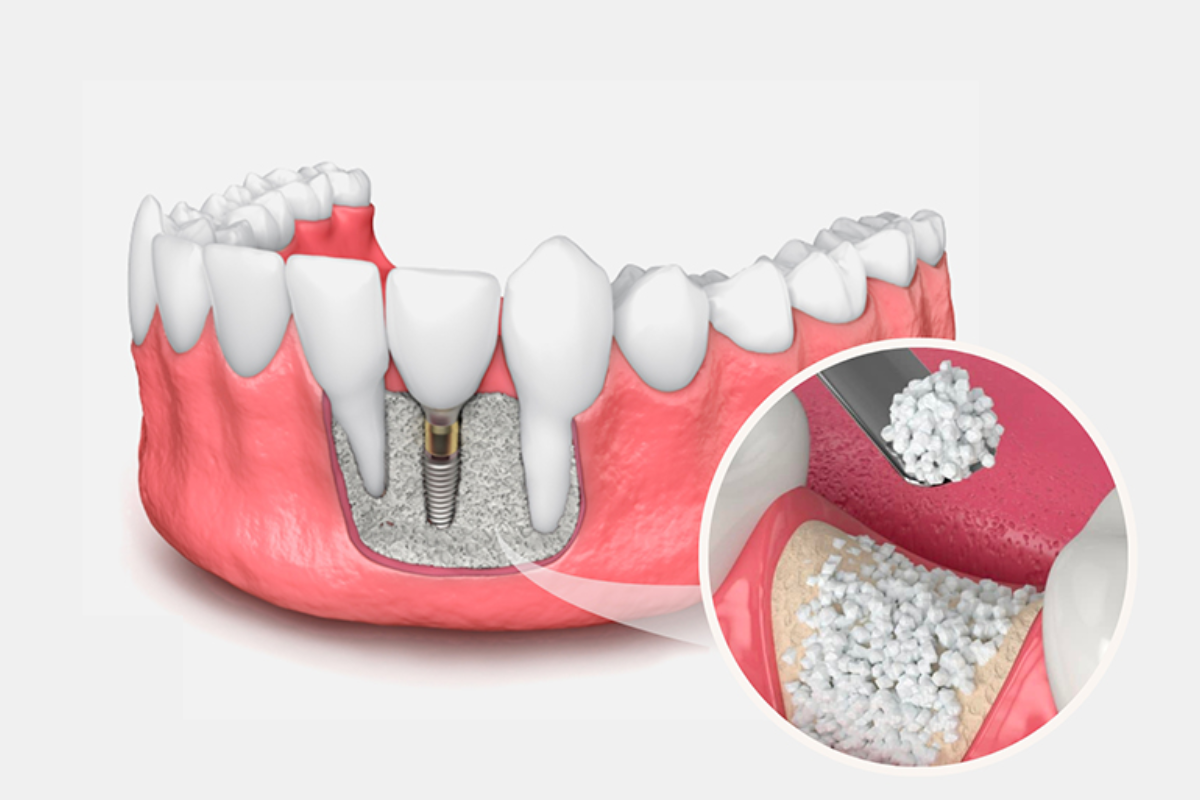
During this critical phase, the bone graft material transforms into living bone tissue through a process called osseointegration. New bone cells replace the graft material, creating a stable foundation for future dental implants.
The healing process becomes less noticeable to patients, with most returning to normal activities. However, the graft site remains vulnerable to trauma, requiring continued protection from excessive force or pressure.
Stage 4: Mature Bone Formation (Months 3-6+)
Complete bone maturation occurs during this final stage, with the grafted area achieving strength comparable to natural bone. Dental imaging confirms adequate bone density and bone volume for proceeding with implant placement or other restorative procedures.
Common Dental Bone Graft Side Effects
Understanding potential side effects helps patients distinguish normal healing from complications requiring medical attention.
Expected Side Effects
Swelling and bruising are the most common side effects following bone graft surgery. Post-operative swelling typically peaks around day 2-3 and gradually subsides over 7-10 days. Bruising may appear several days after surgery as blood settles into facial tissues, often appearing yellow or greenish before resolving.
Discomfort and pain vary significantly among patients but generally remain manageable with prescribed pain medication. Most patients report pain levels decreasing substantially by day 5-7, with only mild sensitivity persisting beyond the first week.
Bleeding and oozing from the surgical site is normal for the first 24-48 hours. Light bleeding mixed with saliva creates a pink-tinged appearance that shouldn’t cause alarm. However, active bleeding beyond 48 hours requires professional evaluation.
Limited jaw mobility and stiffness occur due to surgical trauma and swelling. This side effect resolves gradually as healing progresses, though gentle jaw exercises (as recommended by your surgeon) can facilitate recovery.
Concerning Side Effects Requiring Attention
Severe pain that worsens after day 3-4 or doesn’t respond to prescribed medications may indicate infection or other complications. Pain 3 weeks after dental bone graft is particularly concerning and warrants immediate dental evaluation.
Excessive swelling that continues increasing beyond day 3, especially if accompanied by fever, suggests possible infection. Persistent swelling with warmth and redness around the graft site requires prompt professional assessment.
Foul odor or taste emanating from the surgical area often indicates infection or tissue breakdown. Combined with discharge or pus formation, these symptoms demand immediate attention to prevent graft failure.
Dental Bone Graft Infection: Recognition and Prevention
Dental bone graft infection represents a serious complication that can lead to graft failure and require additional procedures. Understanding infection signs enables early intervention.
Signs of Bone Graft Infection
Fever above 101°F (38.3°C) developing 2-3 days post-surgery suggests systemic infection. While low-grade temperature elevation is normal initially, persistent or high fever indicates complications.
Increased pain that intensifies rather than diminishes after the first few days is a classic infection symptom. This pain often has a throbbing quality and doesn’t respond adequately to pain medications.
Swelling that worsens after day 3-4 or develops new swelling after initial improvement signals potential infection. The affected area may feel warm to touch and appear increasingly red.
Purulent discharge (thick, yellow, or greenish fluid) from the surgical site definitively indicates infection. Any discharge beyond clear or slightly blood-tinged fluid requires immediate evaluation.
Infection Prevention Strategies
Antibiotic compliance is crucial when prescribed prophylactically. Complete the entire antibiotic course even if symptoms improve, as premature discontinuation can lead to resistant infections.
Oral hygiene maintenance without disturbing the graft site prevents bacterial accumulation. Use prescribed antimicrobial mouthwash gently, avoiding vigorous rinsing that could dislodge the bone graft material.
Smoking cessation dramatically reduces infection risk and improves healing outcomes. Tobacco use impairs blood flow, delays healing, and significantly increases complication rates in bone graft procedures.
Dental Bone Graft Aftercare: What to Do and Not to Do
Proper aftercare following bone graft surgery directly impacts healing success and determines long-term outcomes.
What to Do After Dental Bone Graft
Apply ice packs to the affected area for 20 minutes on, 20 minutes off during the first 48 hours. This reduces swelling, minimizes bruising, and provides natural pain relief through vasoconstriction.
Take prescribed medications exactly as directed. Pain medications should be taken before discomfort becomes severe, and antibiotics must be completed entirely to prevent infection.
Maintain elevation while resting, keeping your head elevated above heart level using pillows. This positioning reduces blood flow to the surgical area, minimizing swelling and discomfort.
Follow dietary guidelines strictly:
- Consume soft, cool foods for the first week
- Choose nutrient-rich options like smoothies, yogurt, scrambled eggs, and mashed potatoes
- Maintain adequate protein intake to support tissue healing
- Stay well-hydrated with water and non-acidic beverages
Practice gentle oral hygiene avoiding the graft site for the first 24 hours. After that, carefully brush remaining teeth and use prescribed mouth rinse without disturbing the surgical area.
Attend follow-up appointments as scheduled. These visits allow your surgeon to monitor healing progress, identify potential complications early, and adjust aftercare instructions as needed.
What Not to Do After Dental Bone Graft
Avoid smoking and tobacco products completely for at least 2-4 weeks, though longer abstinence significantly improves outcomes. Smoking restricts blood flow, impairs healing, and increases graft failure risk by up to 300%.
Don’t use straws for at least one week, as the suction creates negative pressure that can dislodge the protective blood clot or disturb the graft material.
Avoid vigorous rinsing or spitting for 24-48 hours post-surgery. These actions create pressure changes that can disrupt clot formation and bone graft stability.
Refrain from strenuous physical activity for at least one week. Exercise increases blood pressure and blood flow, potentially causing renewed bleeding and swelling.
Don’t touch or probe the surgical site with your tongue, fingers, or any objects. Disturbance can introduce bacteria, displace graft material, or damage healing tissues.
Avoid hard, crunchy, or chewy foods for several weeks. These foods can apply excessive pressure to the graft area, potentially causing graft displacement or failure.
Don’t ignore warning signs of complications. Contact your dental surgeon immediately if you experience severe pain, excessive swelling, fever, or unusual discharge.
How to Speed Up Bone Graft Healing
While healing time follows biological processes that can’t be drastically accelerated, certain practices optimize the recovery process.
Nutritional Optimization
Protein-rich diet provides essential amino acids for tissue repair and bone formation. Aim for 75-100 grams daily from sources like Greek yogurt, protein shakes, soft fish, and eggs during early recovery.
Calcium and vitamin D are fundamental for bone healing. Ensure adequate intake through dairy products, fortified foods, or supplements as recommended by your healthcare provider.
Vitamin C supports collagen formation crucial for bone matrix development. Include soft fruits like bananas and vitamin C supplements to meet increased demands during healing.
Hydration facilitates nutrient delivery to healing tissues and waste removal from the surgical site. Consume at least 8 glasses of water daily unless otherwise directed.
Lifestyle Modifications
Quality sleep accelerates healing through increased growth hormone release and reduced inflammatory markers. Aim for 7-9 hours nightly, maintaining head elevation during early recovery.
Stress reduction improves immune function and healing capacity. Practice relaxation techniques, meditation, or gentle activities that promote mental well-being without physical strain.
Smoking cessation cannot be overemphasized. Even temporary abstinence significantly improves bone graft success rates and reduces healing time.
Medical Interventions
Platelet-rich plasma (PRP) therapy may accelerate bone regeneration when applied during the initial grafting procedure. This concentrated source of growth factors enhances cellular activity at the graft site.
Low-level laser therapy shows promise in reducing inflammation and promoting cellular healing, though availability varies by location and practitioner.
Signs of Failed Dental Bone Graft
Recognizing graft failure signs enables timely intervention and potential salvage of the procedure.
Early Failure Indicators
Persistent pain beyond 3 weeks that doesn’t improve or progressively worsens suggests graft rejection or infection. Normal healing follows a predictable pain reduction pattern.
Graft material exposure through the gum tissue indicates inadequate soft tissue coverage or dehiscence. Exposed bone graft material faces contamination risk and impaired integration.
Mobility at the graft site detected during examination suggests inadequate stability or bone formation failure. The graft material should become increasingly stable as healing progresses.
Late Failure Signs
Insufficient bone volume revealed during pre-implant evaluation indicates the graft didn’t generate adequate bone tissue. This may necessitate additional grafting procedures before implant placement.
Radiolucent areas visible on dental X-rays or CT scans suggest incomplete osseointegration or areas where bone formation failed to occur properly.
Continued mobility or lack of resistance during implant site preparation definitively confirms graft failure, requiring alternative treatment planning.
Dental Bone Graft Recovery: Real Patient Experiences from Reddit
The dental bone graft recovery Reddit community provides valuable peer insights into real recovery experiences, though individual results vary significantly.
Common Reddit Recovery Themes
Patients frequently report that actual recovery was more manageable than anticipated, with pain levels generally well-controlled using prescribed medications. Many emphasize that following aftercare instructions meticulously produced better outcomes than taking shortcuts.
Swelling experiences vary dramatically, with some reporting minimal facial swelling while others describe significant but temporary cosmetic changes lasting 7-10 days.
Return to work timelines differ based on job physical demands, with many office workers returning within 3-5 days while those in physically demanding roles require longer recovery periods.
Frequently Shared Recovery Tips
Reddit users consistently recommend:
- Over-preparing with soft foods before surgery
- Using extra pillows for elevation during sleep
- Setting medication alarms to maintain consistent pain management
- Taking the full prescribed recovery time seriously, even when feeling better
- Communicating concerns to dental professionals rather than seeking diagnosis online
Innovation & Precision in Every Implant: Modern Bone Grafting Advances
Contemporary dental bone grafting techniques incorporate advanced biomaterials and technologies that improve success rates and reduce recovery time.
Advanced Graft Materials
Synthetic bone substitutes like hydroxyapatite and calcium phosphate ceramics offer predictable osseointegration without donor site complications. These biocompatible materials gradually resorb as natural bone replaces them.
Growth factor technologies including bone morphogenetic proteins (BMPs) and platelet-rich fibrin (PRF) enhance cellular recruitment and accelerate bone regeneration, potentially reducing overall healing time.
Allograft materials from tissue banks provide human bone matrix that supports natural bone growth without requiring a secondary surgical site for harvest.
Technological Innovations
3D imaging and planning enable precise graft placement and volume calculation, improving predictability and reducing surgical time. CBCT scans provide detailed anatomical information for optimal treatment planning.
Minimally invasive techniques reduce surgical trauma, potentially decreasing swelling, pain, and overall recovery time while maintaining or improving success rates.
Computer-guided surgery enhances precision in graft placement, particularly for complex cases requiring specific bone volume and positioning for future implant placement.
Conclusion: Ensuring Successful Bone Graft Recovery
Successful dental bone graft recovery depends on understanding the healing stages, recognizing normal versus concerning side effects, and meticulously following aftercare protocols. While recovery timelines extend several months for complete bone maturation, most patients resume normal activities within 2-3 weeks.
The key to optimal outcomes involves strict adherence to post-operative instructions, prompt communication with your dental team regarding concerns, and patience with the biological healing process. Modern techniques and materials continue improving success rates, but patient compliance remains the most critical factor in achieving the stable bone foundation necessary for successful dental implant placement and long-term oral health restoration.