




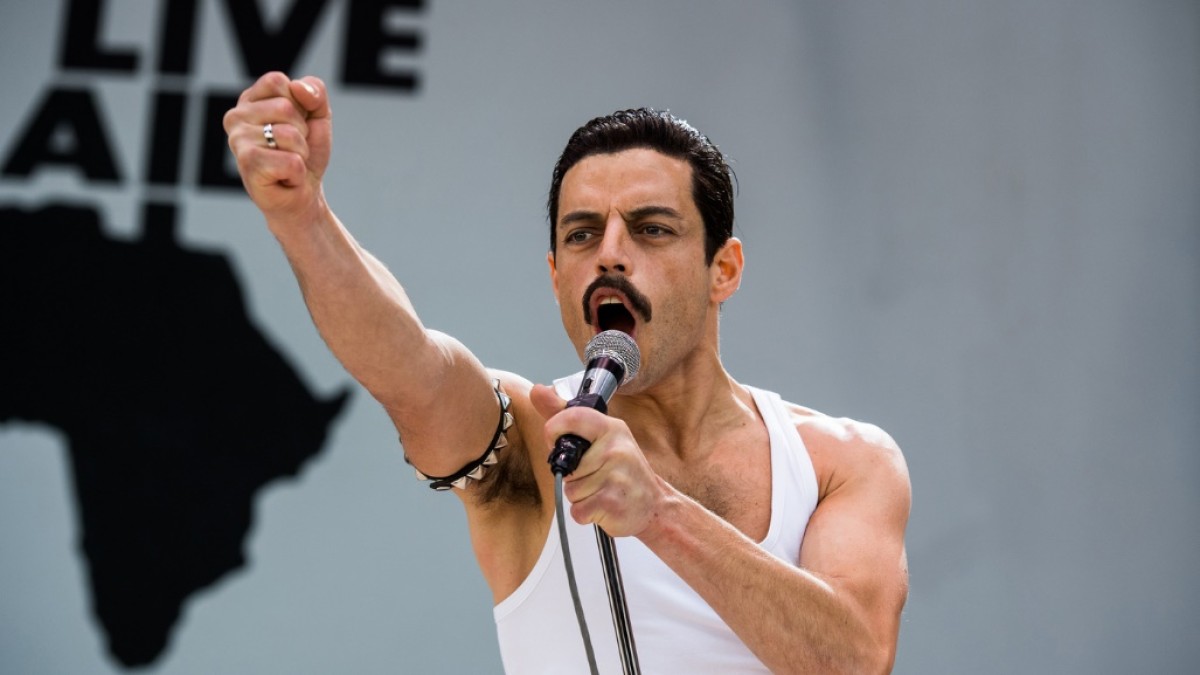
Freddie Mercury’s distinctive, protruding teeth were the result of a rare dental condition called hyperdontia, which gave him four extra upper incisors. Far from being a mere aesthetic quirk, these teeth became an iconic part of his legendary stage persona, yet they were also a deep source of personal insecurity for the Queen frontman. Mercury famously refused to have his teeth corrected out of fear that it would alter his magnificent four-octave vocal range, believing the extra space in his mouth enhanced his singing. This decision underscores a powerful priority: Freddie Mercury chose his art over his appearance.
What Was Up With Freddie Mercury’s Teeth?
The unique appearance of Freddie Mercury’s teeth was due to a genuine medical anomaly. The condition is specifically known as hyperdontia (or mesiodens when referring to extra front teeth), meaning an individual has an excess number of teeth. Most adults have 32 teeth; Freddie Mercury reportedly had 36 teeth.
- He had four extra incisors (supernumerary teeth) in his upper jaw, located towards the back of his mouth.
- These extra teeth caused severe overcrowding and pushed his existing front teeth forward, resulting in a pronounced overbite (also known as an overjet or malocclusion).
- This specific dental structure became one of his most visually distinctive features, recognized globally by his millions of fans.
This medical fact explains the physical reality behind his legendary smile, which remains a high-volume search query for fans: Freddie Mercury extra teeth.
How Did Freddie Mercury Feel About His Teeth?
Despite the confident, flamboyant persona he projected on stage, Freddie Mercury was deeply self-conscious about his teeth. This insecurity began in childhood, where he was reportedly teased and given the cruel nickname “Bucky” due to his prominent overbite.
Evidence of his discomfort is well-documented by his close friends and colleagues:
- He often tried to hide his teeth by covering his mouth with his hand when he laughed or spoke candidly.
- In later years, he grew his signature thick mustache, which served the dual purpose of enhancing his image and partially obscuring his teeth.
- During performances, he frequently positioned the microphone strategically to minimize the focus on his overbite.
While his teeth became an unforgettable part of his public image, for the man himself, they were a source of private struggle and self-consciousness.
Why Didn’t Freddie Mercury Fix His Teeth?
The question of why didn’t Freddie Mercury fix his teeth is one of the most compelling aspects of his story and the core reason they are so famous. Freddie Mercury refused corrective dental surgery despite his significant wealth and access to the best dental care, as he was convinced the procedure would negatively impact his singing voice.
The primary, unwavering reason was his fear of losing his voice.
“He was very afraid that if he changed his teeth that his particular sound of [his voice] would go away. So he was more concerned with his voice than his looks, and I think that says a lot about the man.” – Rudi Dolezal, Documentarian.
Mercury believed his unique dental structure, specifically the extra space created by the four extra incisors and the resulting wider mouth cavity, was essential to his extraordinary four-octave vocal range and resonance. For Freddie, the potential cosmetic improvement was not worth the risk of losing the musical instrument that defined his life and career. He consciously prioritized his musical ability over his physical appearance.
Did Freddie Mercury’s Teeth Help Him Sing?
The long-standing belief that Freddie Mercury’s teeth helped him sing is a crucial part of the Queen legend, primarily because he believed it to be true. He credited his extra incisors with giving him a larger oral cavity, which he felt provided greater vocal resonance and contributed to his phenomenal four-octave range.
However, modern scientific consensus and vocal analysis suggest otherwise:
- Vocal Cord Superiority: Scientific studies on his voice indicate that the true secret to his powerful, versatile voice lay in his ability to employ his subharmonics—meaning he used parts of his larynx, specifically his “false vocal cords” (or ventricular folds), in a way most people do not. This unique technique allowed for an incredible vibrato and an unparalleled depth of tone.
- No Direct Correlation: Dental experts and voice coaches generally agree that while the shape of the mouth influences articulation and the creation of vowels, there is no direct, scientifically proven link between having supernumerary teeth or an overbite and achieving a four-octave range. Many great singers have “imperfect” teeth without possessing his rare range.
Ultimately, while the Freddie Mercury teeth may not have been the biological source of his singing talent, his belief in them was the powerful psychological catalyst that prevented him from altering the voice that brought the world Bohemian Rhapsody and We Are the Champions.
Is It Possible to Fix Freddie Mercury’s Teeth?
From a modern dental perspective, the condition that caused Freddie Mercury’s protruding teeth is entirely correctable. Even during his lifetime, with the dentistry techniques available, a correction would have been possible.
The typical treatment path for a case of hyperdontia and severe malocclusion like his would involve:
- Extraction: The surgical removal of the four extra teeth (supernumerary incisors) to alleviate the severe crowding in the upper jaw.
- Orthodontics: Subsequent orthodontic treatment, such as braces or aligners, to move the remaining teeth into their proper alignment, correcting the pronounced overbite.
- Aesthetic Solutions: In some cases, cosmetic enhancements like veneers or bonding could be used to perfect the final smile and address any wear or misshaping of the natural teeth.
The fact that the procedure was possible, yet he chose his art, only solidifies the impact of his belief. His unforgettable smile is a testament to prioritizing art over conventional beauty.
The Legacy of Freddie Mercury’s Iconic Teeth
The story of Freddie Mercury’s teeth is not merely a tale of dentistry; it’s a profound look at the choices and insecurities of one of music’s greatest legends. His protruding teeth were more than a physical trait—they were a symbol:
- A Symbol of Insecurity Overcome: He took a childhood source of ridicule and transformed it into an intrinsic part of a global superstar’s identity.
- A Symbol of Artistic Devotion: His refusal to correct them, despite his resources, is the ultimate testament to his devotion to his unique voice and the music of Queen.
- A Feature of Iconic Imagery: Like his mustache and stage costumes, his unique teeth are central to his visual representation in films like Bohemian Rhapsody and across all Queen memorabilia.
In the end, the Freddie Mercury teeth story is about a man who, despite his personal struggles with his appearance, found power and distinction in his difference. He feared that altering his natural structure would silence his gift, and out of that choice, an indelible icon was forged. His extra teeth are a permanent, fascinating footnote in the history of rock music.
Wonder Begins
Let’s Start Your Smile Transformation Today
Take the first step toward your new smile with Dr.Wonder Clinic. Our expert dental team combines advanced technology and artistic precision to design a treatment made just for you so you can smile with confidence, every day.
Book a Free Consultation