




Gaten Matarazzo, best known for his role as Dustin Henderson in Netflix’s “Stranger Things,” has undergone a remarkable dental transformation due to cleidocranial dysplasia (CCD), a rare genetic condition affecting bone and tooth development. The actor was born with missing teeth and delayed tooth eruption, requiring multiple dental surgeries and procedures throughout his childhood and teenage years. His journey from having underdeveloped teeth to achieving a fuller smile has inspired millions while raising awareness about this rare condition that affects approximately 1 in 1 million people worldwide.
Gaten Matarazzo Dental Transformation Overview
| Aspect | Before Treatment | After Treatment | Key Procedures |
|---|---|---|---|
| Tooth Count | Missing multiple teeth due to CCD | Significantly improved dental structure | Multiple surgeries, dental implants |
| Dental Condition | Cleidocranial dysplasia symptoms | Progressive improvement | Surgical interventions, orthodontics |
| Smile Appearance | Gaps and missing teeth visible | Fuller, more complete smile | Restorative dentistry procedures |
| Age at Diagnosis | Early childhood | Ongoing treatment | Continuous dental care |
| Public Advocacy | Beginning of career | Active spokesperson for CCD awareness | Educational campaigns |
Understanding Cleidocranial Dysplasia and Its Impact on Gaten’s Teeth
Cleidocranial dysplasia is the primary reason behind Gaten Matarazzo’s dental challenges. This rare genetic disorder affects the development of bones and teeth, particularly impacting the skull, collarbones, and dental structures. For Gaten, this condition meant dealing with:
Primary dental symptoms included supernumerary teeth (extra teeth that don’t erupt properly), delayed tooth eruption, and retained baby teeth well into his teenage years. The condition caused his permanent teeth to remain trapped beneath the gum line, creating significant orthodontic challenges that required extensive medical intervention.
The genetic mutation responsible for CCD affects the RUNX2 gene, which plays a crucial role in bone formation and tooth development. This explains why Gaten experienced abnormal dental patterns and required such comprehensive dental treatment throughout his formative years.
Gaten Matarazzo Teeth Before: Early Years and Initial Challenges
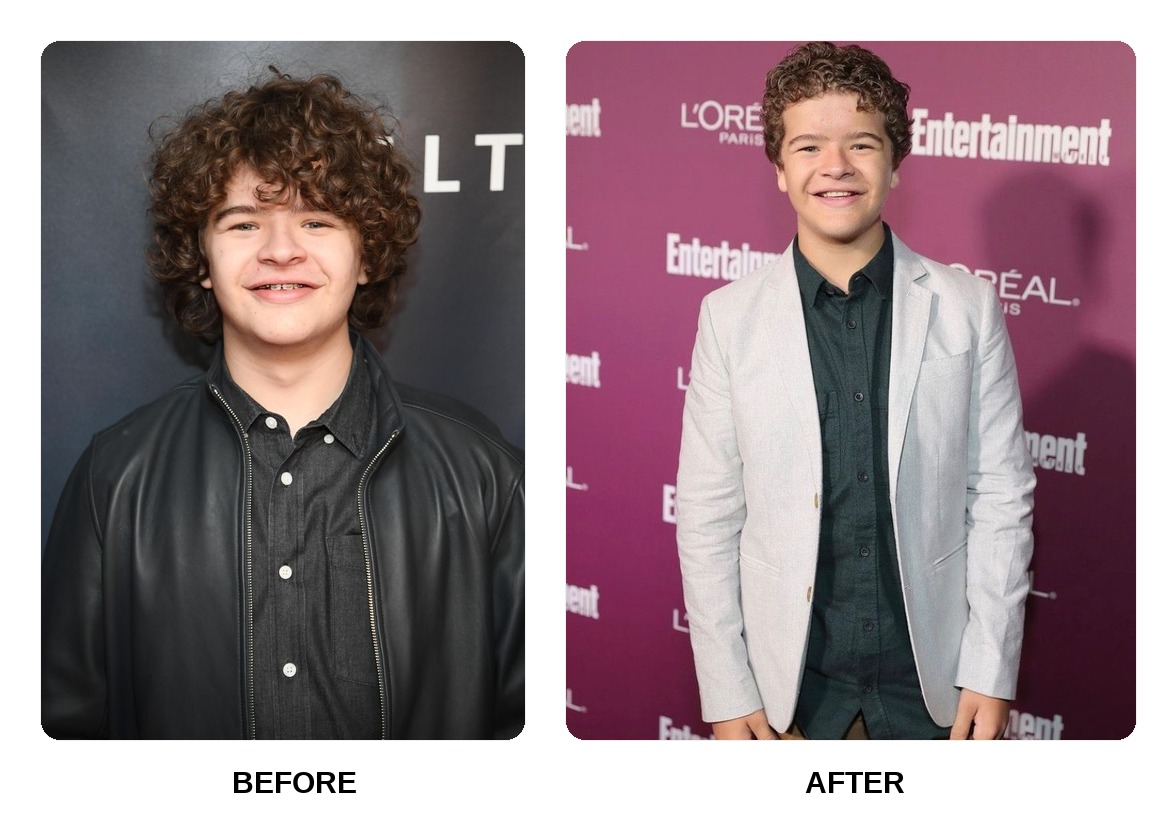
In his early childhood and pre-Stranger Things era, Gaten Matarazzo’s teeth before surgery showed the classic signs of cleidocranial dysplasia. Photographs from his youth reveal:
- Missing front teeth and significant gaps in his dental arch
- Delayed eruption of permanent teeth compared to peers
- Retained primary teeth that should have been naturally replaced
- Underdeveloped dental structures affecting his overall smile
During the first seasons of “Stranger Things,” viewers could notice his distinctive smile with visible gaps, particularly in the central incisor region. His baby teeth remained present longer than typical, and his permanent teeth struggled to emerge naturally due to the bone density issues caused by CCD.
The dental asymmetry was particularly noticeable during his early television appearances, with his upper teeth and lower teeth showing irregular spacing and alignment. This wasn’t a matter of tooth decay or poor oral hygiene—it was entirely related to his genetic condition affecting tooth formation and eruption patterns.
The Dental Surgeries: How Did Gaten Matarazzo Fix His Teeth?
Gaten Matarazzo underwent multiple dental surgeries to address his CCD-related dental problems. The comprehensive treatment plan included:
Surgical tooth exposure procedures were performed to help his impacted teeth break through the gum tissue. Oral surgeons made incisions in the gums to expose the trapped permanent teeth, often attaching orthodontic brackets to guide them into proper position. These procedures were repeated multiple times as different teeth required assistance.
Tooth extraction procedures removed supernumerary teeth and problematic baby teeth that were blocking the path of permanent teeth. This created space for his adult teeth to eventually emerge and settle into the dental arch properly.
Orthodontic intervention played a crucial role in his transformation. After the surgical procedures, braces and other orthodontic appliances helped guide his teeth into their correct positions, gradually improving his bite alignment and overall smile aesthetics.
Dental implants and restorative procedures filled gaps where natural teeth couldn’t develop. While Gaten hasn’t publicly detailed every specific procedure, his transformation suggests the use of modern dental technology including possible implant-supported restorations for areas where natural tooth development remained impossible.
Gaten Matarazzo Teeth After: The Remarkable Transformation
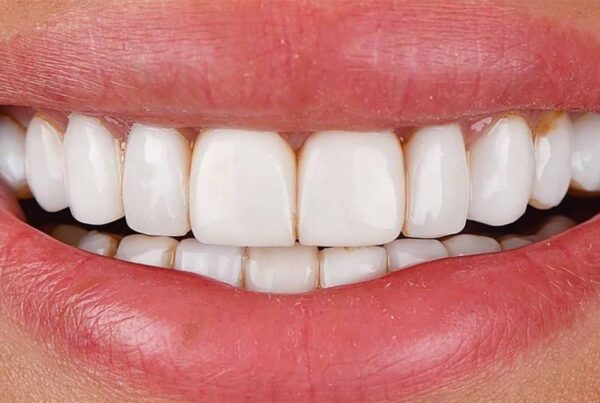
The after photos of Gaten Matarazzo’s teeth show dramatic improvement compared to his earlier years. His current smile displays:
His dental transformation resulted in a significantly fuller appearance with most gaps closed or minimized. The teeth after surgery show proper alignment in the upper dental arch and lower dental arch, with his front teeth now properly positioned and functional.
The visible improvement in his central incisors and surrounding teeth demonstrates the success of his multiple surgical interventions. His teeth appear whiter and more uniform, though this likely reflects both natural development and proper dental care rather than cosmetic procedures like veneers.
Recent photographs show Gaten with a confident smile that showcases his dental progress. While subtle differences remain compared to someone without CCD, his teeth transformation represents a significant medical achievement and countless hours of dental treatment.
Does Gaten Matarazzo Have Veneers or Gold Teeth?
There’s no credible evidence that Gaten Matarazzo has porcelain veneers, gold teeth, or silver teeth. The speculation about cosmetic dentistry like veneers appears unfounded. His dental work focused on:
- Functional restoration rather than purely cosmetic enhancement
- Surgical correction of underlying structural problems
- Natural tooth preservation whenever possible
- Orthodontic alignment using traditional methods
The notion of gold teeth or silver teeth likely stems from confusion about orthodontic appliances or dental hardware visible during his treatment phases. Any metallic appearance would have been temporary braces, brackets, or surgical wires rather than decorative dental work.
His white teeth appearance in recent photos reflects healthy natural teeth and good oral hygiene practices, not cosmetic whitening or artificial dental restorations like veneers.
Are Gaten Matarazzo’s Teeth Decaying or Asymmetrical?
Concerns about decaying teeth or tooth decay in Gaten Matarazzo’s case are largely misconceptions. His dental condition stems from genetic factors, not poor dental health or hygiene. However, some observations include:
Dental asymmetry may still be present to some degree, as CCD can cause permanent structural differences in jaw development and tooth positioning. This is a characteristic of the condition rather than a treatment failure or indication of dental problems.
Tooth decay is not a primary concern in Gaten’s case. People with CCD don’t have inherently higher cavity risk or decay susceptibility, though the complexity of their dental structures may require extra attention to oral care and preventive dentistry.
The appearance of asymmetry in his dental arch or bite pattern reflects the underlying bone structure affected by CCD rather than orthodontic inadequacy or dental neglect.
Gaten’s Advocacy and Impact on CCD Awareness
Beyond his personal dental journey, Gaten Matarazzo has become a powerful advocate for cleidocranial dysplasia awareness. He’s used his platform to:
- Educate the public about rare genetic conditions affecting dental development
- Reduce stigma surrounding dental differences and medical conditions
- Raise funds for CCD research and patient support organizations
- Inspire young people facing similar dental challenges and medical journeys
His openness about undergoing dental surgery and his teeth transformation has helped normalize conversations about medical conditions and dental health among younger audiences. The visibility of his journey on “Stranger Things” brought unprecedented attention to this rare disorder.
What Dental Procedures Has Gaten Matarazzo Undergone?
The comprehensive list of dental procedures Gaten has likely experienced includes:
Surgical interventions: Multiple oral surgery procedures to expose impacted teeth, remove supernumerary teeth, and create space for proper tooth eruption.
Orthodontic treatment: Extended braces treatment to guide teeth into proper alignment, potentially including specialized appliances designed for CCD patients.
Restorative dentistry: Possible dental implants, bridges, or other restorative procedures to replace teeth that couldn’t develop naturally.
Ongoing maintenance: Regular dental monitoring, cleaning, and adjustments to maintain his dental health as his jaw and facial bones continue to develop into adulthood.
Conclusion: A Journey of Resilience and Transformation
Gaten Matarazzo’s teeth before and after transformation represents far more than a cosmetic change it’s a testament to modern dental medicine, personal resilience, and the power of advocacy. His dental evolution from a child with significant CCD-related challenges to a young adult with a functional, improved smile required years of surgical procedures, orthodontic treatment, and unwavering determination.
His journey with cleidocranial dysplasia and the resulting dental work has inspired countless individuals facing similar challenges while educating millions about this rare condition. The transformation of Gaten Matarazzo’s teeth continues to evolve, demonstrating that with proper medical care and support, individuals with genetic dental conditions can achieve remarkable results and live confidently.