




The prospect of undergoing any surgical procedure, including dental implant placement, naturally brings questions about pain. Many individuals considering tooth replacement options often wonder: “Will it hurt?” The good news is that advancements in oral surgery techniques and pain management protocols mean that for most patients, dental implant surgery is surprisingly comfortable. While most patients experience some soreness or discomfort for the first few days, the overall experience is often described as much milder than anticipated. In fact, many individuals find that the procedure itself is so effectively managed with anesthesia that you can expect not to feel any pain during the actual surgery. Post-operatively, while there may be some degree of discomfort or pain, it is typically manageable and temporary, and most people experience very little pain after the initial recovery period. Often, pain at the implant site is described as being less painful than a tooth extraction.
Does Dental Implant Surgery Hurt?
The short answer is: typically, no, not during the procedure itself. Your dentist or oral surgeon will ensure you are completely numb before beginning any work. This is achieved through the use of local anesthesia, which effectively blocks pain signals from the surgical area to your brain. You might feel some pressure or vibration, but sharp pain should not be present.
For patients with dental anxiety or those undergoing more complex procedures, sedation options are also available. These can range from nitrous oxide (laughing gas) to oral sedatives or even intravenous (IV) sedation, which can help you feel relaxed and comfortable throughout the implant procedure. Under sedation, many patients have little to no memory of the surgery itself, further reducing any perceived discomfort.
Once the anesthesia wears off, which usually takes a few hours, you will start to feel some discomfort or soreness at the implant site. This is a normal part of the healing process and indicates that your body is beginning to recover. Your dentist will provide clear instructions on how to manage this post-operative pain, often recommending over-the-counter pain medication or, for more involved cases, a prescription pain reliever. The goal is to keep you as comfortable as possible during the initial recovery time.
How Long is the Dental Implants Recovery?
The dental implants recovery process involves several stages, with the initial acute discomfort typically subsiding within the first few days. The total healing timeline for dental implants is unique to each individual and depends on factors such as overall oral health, the number of implants placed, and whether additional procedures like bone grafting were necessary.
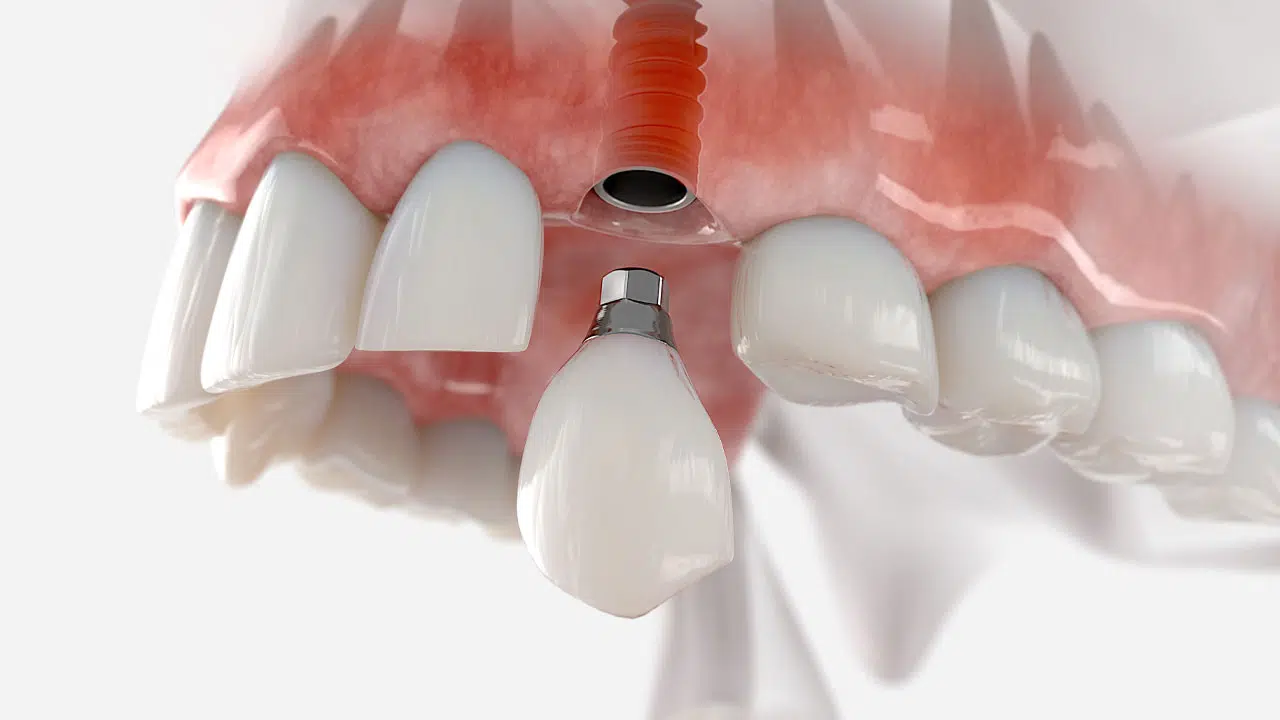
The most critical phase of recovery is osseointegration, where the dental implant (a small, screw-shaped post usually made of titanium) fuses directly with your jawbone. This process can take anywhere from 3 to 6 months, or sometimes longer. During this period, the implant becomes a stable and permanent foundation for your new tooth.
Here’s a general breakdown of the recovery time and what to expect:
| Recovery Stage | Typical Timeline | Expected Symptoms & Care |
| Initial Post-Op | First 24-72 hours | Soreness, mild discomfort, swelling, possible bruising. Use ice packs, take prescribed/OTC pain meds. |
| Early Healing | 3-7 days | Discomfort significantly reduces. Swelling starts to subside. Maintain good oral hygiene gently. |
| Soft Tissue Healing | 1-2 weeks | Gums heal around the implant site. Avoid hard or chewy foods. |
| Osseointegration | 3-6 months (or more) | Implant fuses with bone. Minimal to no pain. Regular check-ups with your dentist. |
| Final Restoration | After osseointegration | Abutment and crown placed. Little to no pain expected. |
During the initial post-operative care period, it’s crucial to follow your dentist’s instructions diligently. This includes:
- Using ice packs to minimize swelling.
- Taking prescribed or over-the-counter pain medication as directed.
- Eating soft foods to avoid disturbing the implant site.
- Maintaining excellent, gentle oral hygiene to prevent infection.
- Avoiding strenuous activities, smoking, and alcohol, which can impede healing process.
How Long Does the Pain Last After Dental Implants?
The duration of pain after dental implants is generally quite short and manageable for most patients. As mentioned, the most noticeable pain and discomfort typically occur within the first 24 to 72 hours following the implant procedure, once the local anesthesia wears off.
During this period, patients might experience soreness, throbbing, and swelling at the implant site, along with minor bruising. This acute phase is usually controlled effectively with prescribed pain relievers, such as ibuprofen or acetaminophen, or stronger medication if deemed necessary by your dentist.
By the end of the first week, most patients report a significant reduction in pain. Any remaining discomfort is usually mild and can be managed with over-the-counter options. Lingering soreness might persist for a few more days, particularly when chewing or applying pressure to the area, but it should progressively diminish.
It’s important to differentiate between expected post-operative pain and signs of complications. If pain intensifies after the first few days, is accompanied by fever, excessive swelling that doesn’t subside, or pus, you should contact your dentist immediately. These could be signs of an infection or other issue that requires professional attention. However, for the vast majority of dental implant cases, pain is temporary and resolves quickly, allowing patients to resume normal activities within a short period.
Frequently Asked Questions (FAQ)
What is the most painful part of a dental implant?
For many patients, the most uncomfortable part of the dental implant procedure isn’t the surgery itself, thanks to effective anesthesia. It’s often the initial local anesthesia injection, which feels like a quick pinch, or the soreness that begins as the anesthesia wears off a few hours post-surgery. During the procedure, while you won’t feel sharp pain, you might experience sensations of pressure or vibration as the surgeon works.
What hurts more, tooth extraction or implant?
Surprisingly, many patients report that dental implant surgery is less painful than a tooth extraction. This is because tooth extractions often involve more pulling and pressure on surrounding tissues to remove the tooth, which can lead to greater post-operative discomfort. Dental implant placement is a precise, controlled procedure that typically involves minimal trauma to surrounding tissues beyond the immediate surgical site, resulting in a smoother and often less painful recovery time.
What is the pain scale for dental implants?
The pain scale for dental implants varies significantly among individuals due to differing pain thresholds and the complexity of the procedure. Generally, pain is rated low:
- During Surgery: 0/10 (No pain due to anesthesia).
- Day 1-3 Post-Op: 3-6/10 (Moderate discomfort, managed with medication).
- Day 4-7 Post-Op: 1-3/10 (Mild soreness, decreasing).
- After 1 Week: 0-1/10 (Minimal to no pain).
It’s crucial to communicate any concerns about pain with your dental professional, who can tailor pain management strategies to ensure your patient comfort throughout the healing process and make your journey to a new smile as smooth as possible. With proper post-operative care, dental implants are a highly successful and remarkably comfortable tooth replacement solution.