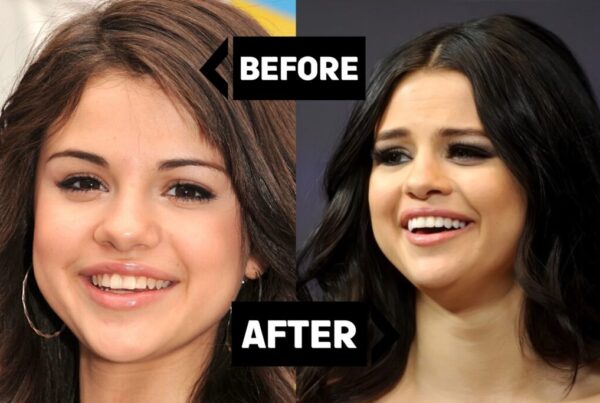





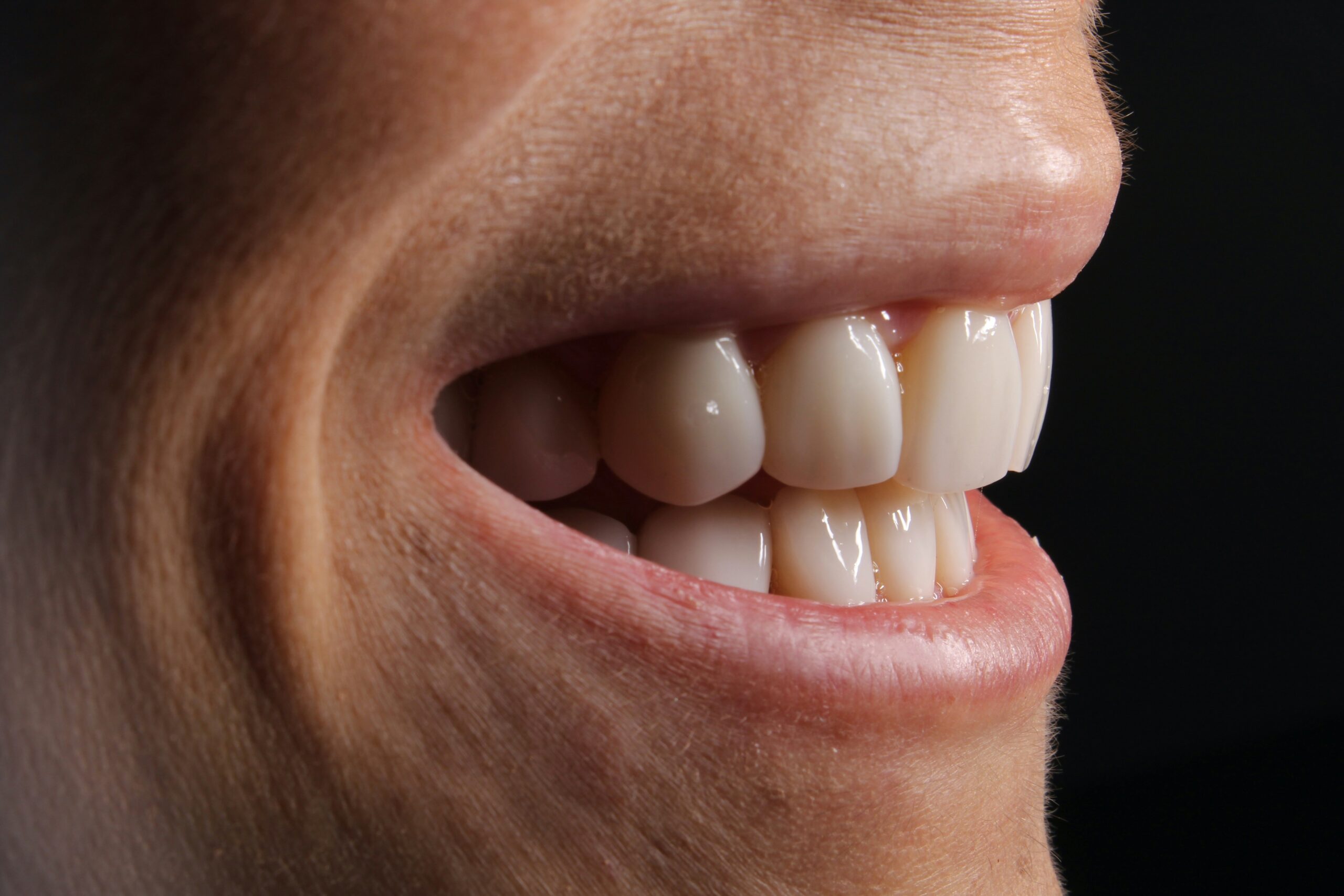
Achieving perfect teeth is no longer just a celebrity aspiration; it is an attainable goal thanks to modern cosmetic and restorative dentistry. While true perfection lies in health and function, the aesthetic standard for perfect teeth involves ideal alignment, a balanced bite, healthy pink gums, and a uniform, bright white color. For many, this transformation requires a tailored approach, often utilizing advanced procedures such as veneers, Invisalign or braces, and professional teeth whitening. Understanding the elements that constitute a perfect smile and exploring the available cosmetic dental procedures is the essential first step toward designing the healthy, confident smile you desire.
What Is Considered “Perfect Teeth”? (The Ideal Smile Checklist)
| Aspect | Description of Perfection | Key Cosmetic Procedure(s) | Impact on Health & Function |
| Alignment (Bite) | Straight, evenly spaced teeth; upper front teeth slightly overlapping the lowers (Class I occlusion). | Braces, Invisalign, Orthognathic Surgery (for severe cases). | Crucial for chewing efficiency and preventing excessive wear. |
| Gum Line | Healthy, pink, scalloped gums that are even across the top teeth, exposing minimal tissue (Gummy Smile correction). | Gingivectomy (Gum Contouring), Crown Lengthening. | Essential for periodontal health and avoiding infections. |
| Shape & Symmetry | Teeth are uniform in size and shape, without chips or irregular edges, and the midline is centered. | Veneers, Bonding, Dental Contouring. | Directly impacts the aesthetic harmony of the face. |
| Color (Whiteness) | A uniform, naturally bright shade of white that complements the patient’s skin tone. | Professional Whitening, Veneers (for maximum brightness). | Aesthetic only; whiteness doesn’t equal strength (though stains hide problems). |
| Condition | No visible decay, fillings are matched perfectly, and no missing teeth. | Fillings, Crowns, Implants. | Core foundation of overall dental health. |
What Is Considered “Perfect Teeth”?
The concept of perfect teeth is often misunderstood as purely cosmetic (white and straight). In reality, dentistry defines perfection based on a holistic blend of aesthetics, function, and health. A genuinely perfect smile is one that is fundamentally healthy, structurally sound, and aesthetically harmonious with the rest of the patient’s facial features.
What Do Perfect Teeth Look Like?
A perfect smile isn’t about an artificial, blinding white; it’s about balance and symmetry, measured by specific dental criteria:
Bite
The most important functional aspect of perfect teeth is the bite, or occlusion.
- Class I Occlusion: The upper teeth slightly overlap the lower teeth when biting down. This alignment is necessary for efficient chewing, proper speech, and preventing uneven wear and tear.
- No Gaps or Crowding: Perfect teeth are straight, evenly spaced, and should have no significant gaps (diastema) or severe overlap (crowding), which can trap food and cause decay.
Gums
The gums frame the teeth and are critical to a perfect smile.
- Pink and Healthy: Gums should be a uniform pale pink color, firm, and show no signs of inflammation, bleeding, or recession.
- Symmetrical Scalloping: The gum line should follow a symmetrical curve (scalloping) around the teeth. Excessive gum display (gummy smile) detracts from the smile’s beauty.
Whiteness
While whiteness is subjective, a perfect smile has a color that is uniform and naturally bright.
- Uniform Shade: All teeth should share the same color shade, without noticeable dark or yellow patches.
- Natural Brightness: The color should complement the patient’s skin tone and the whites of their eyes; an unnaturally blue-white shade often looks artificial. Achieving this uniform brightness is a common goal in cosmetic procedures.
How To Get Perfect Teeth?
Achieving a perfect smile involves a tailored treatment plan, often called a Smile Makeover, that combines restorative, orthodontic, and cosmetic procedures. The best approach addresses underlying health issues first before moving on to aesthetic refinement.
Whitening/Bleaching
This is the fastest and most common method for addressing tooth color.
- Goal: To remove deep staining and lighten the intrinsic color of the teeth, enhancing their overall brightness.
- Method: Professional-grade peroxides are applied, either in-office (with light activation for speed) or via custom-fitted trays at home. This is often the first step in a smile makeover.
Crowns
Dental crowns are caps placed over the entire tooth surface.
- Goal: To restore teeth that are severely damaged, heavily decayed, or structurally weak. They also provide a perfect aesthetic cover for severely discolored or misshapen teeth that cannot be fixed with bonding or veneers.
- Material: Typically made from high-strength porcelain or zirconia, providing superior strength and aesthetics.
Veneers
The cornerstone of the Hollywood Smile, veneers are used to create the appearance of perfectly aligned and perfectly white teeth.
- Goal: To instantly correct issues of shape, size, minor misalignment, and color uniformity.
- Method: Thin, custom-made shells (often E-max porcelain) are bonded to the front surface of the natural teeth. Veneers allow the patient and dentist total control over the final aesthetics.
Bonding
Dental bonding is a conservative and cost-effective cosmetic solution.
- Goal: To repair small chips, minor cracks, or fill small gaps between teeth.
- Method: A tooth-colored resin material is applied, sculpted into shape, and hardened with a special light. It offers immediate results but is less durable and stain-resistant than porcelain veneers.
Braces (Invisalign)
Orthodontic treatment is necessary when significant misalignment or bite issues prevent a perfect smile.
- Goal: To gradually move the teeth into the ideal functional and aesthetic alignment (Class I occlusion).
- Options: Invisalign (clear aligners) is highly popular among adults seeking a discreet way to achieve straight teeth, while traditional braces may be necessary for severe cases.
Implants
Dental implants are the best solution for replacing missing teeth.
- Goal: To restore function, aesthetics, and prevent bone loss caused by a missing tooth.
- Method: A titanium post is surgically placed into the jawbone, acting as an artificial root, which is then topped with a custom-made crown that looks and functions like a natural tooth.
How Much Does It Cost To Have Perfect Teeth?
The cost of perfect teeth varies dramatically because it depends entirely on the starting condition of your mouth and the required procedures. A simple teeth whitening may cost a few hundred dollars, while a full Smile Makeover involving multiple procedures can be a substantial investment.
| Procedure | Purpose | Estimated Cost Range (US/Western EU) |
| Professional Whitening | Color correction. | $300 – $800 |
| Veneers (Per Tooth) | Shape, color, alignment correction. | $1,000 – $2,500 |
| Invisalign (Full Treatment) | Alignment correction. | $4,000 – $8,000 |
| Single Dental Implant | Missing tooth replacement. | $3,000 – $5,000 |
| Full Smile Makeover | Combination of 8-10 veneers, whitening, and minor bonding. | $15,000 – $30,000+ |
Note: Patients often seek dental tourism solutions in Turkey and Mexico to achieve perfect teeth at a fraction of these prices, often realizing savings of 50-70%.
DIY Tips For Perfect Teeth
While DIY methods cannot correct bite problems or replace missing teeth, maintaining optimal daily habits is crucial for preserving your perfect smile and protecting your investment.
Brushing
- Use a soft-bristled brush and fluoride toothpaste.
- Brush for a full two minutes, twice a day, using gentle circular motions.
- Replace your brush head every three to four months.
Flossing
- Flossing once a day removes plaque and food particles from between the teeth and under the gum line, preventing gum disease and decay.
- Flossing is non-negotiable for a healthy foundation.
Watch Your Diet
- Limit acidic foods and drinks (soda, citrus fruit) that erode enamel, making the underlying yellow dentin more visible.
- Minimize sugary foods, which feed the bacteria that cause decay.
Using Whitening Strips
Over-the-counter whitening strips can offer mild to moderate improvement for light surface staining. They are best used to maintain the results achieved from a professional teeth whitening treatment.
FAQs About Perfect Teeth
Can You Straighten Teeth Naturally?
No. Teeth are set in bone, and their movement requires constant, directed force provided by orthodontic appliances like braces or Invisalign. “Natural” methods are ineffective and can damage teeth and gums.
Is It Okay To Not Have Perfect Teeth?
Absolutely. Dental health is paramount; aesthetic perfection is a personal choice. Many beautiful and distinctive smiles feature minor gaps, slight overlaps, or unique tooth shapes. What matters most is a healthy, functional bite.
How Do Celebrities Have Perfect Teeth?
The secret to most celebrity smiles is a comprehensive Smile Makeover primarily achieved through porcelain veneers. This allows dentists to correct alignment, shape, and color simultaneously, creating the high-definition, symmetrical smile seen on screen.
Are Snap-On Teeth Any Good?
Snap-on veneers (removable cosmetic arches) are a temporary, non-invasive cosmetic fix, not a permanent solution. They are useful for short-term aesthetic enhancement but do not correct underlying issues and require careful cleaning.
Are Teeth Shape Genetic?
Yes, teeth shape and size, as well as the alignment of the jaw (and thus, the bite), are significantly influenced by genetics. If your parents had crowded or gapped teeth, you are more likely to face similar issues. This genetic blueprint often necessitates professional intervention to achieve a perfect smile.
Are you interested in a deeper dive into the Veneers procedure, which is the most popular choice for achieving perfect teeth quickly?