




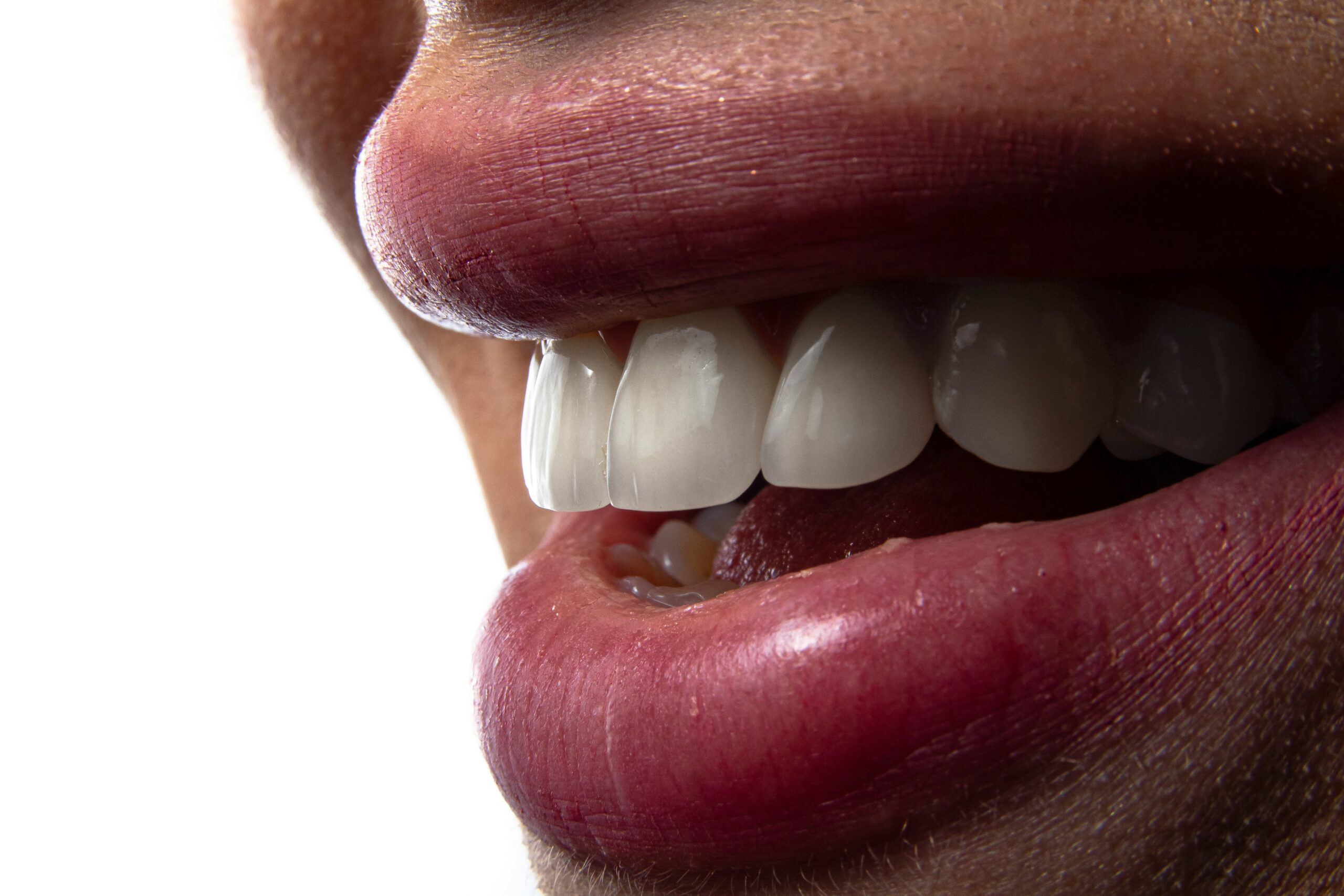
Zygomatic implants are a revolutionary, specialized solution for patients facing severe bone loss in the upper jaw who are ineligible for traditional dental implants. Unlike conventional implants anchored in the thin jawbone, these longer implants bypass the need for lengthy bone grafting procedures by anchoring directly into the dense zygomatic bone (cheekbone). This advanced surgical technique offers an immediate, permanent foundation for fixed, full-arch teeth, drastically reducing treatment time and restoring function for patients who have been told they have insufficient bone volume. They are the express route to a full, confident smile.
Understanding Zygomatic Implants: At a Glance
| Feature | Zygomatic Implants | Traditional Dental Implants |
| Primary Indication | Severe upper jaw bone loss (atrophy). | Sufficient bone volume and density in the jawbone (maxilla/mandible). |
| Anchorage Site | Zygomatic bone (cheekbone). | Alveolar jawbone (maxilla or mandible). |
| Length | Significantly longer (30-55mm) to reach the dense zygoma. | Shorter (typically 8-16mm). |
| Need for Bone Grafting | Eliminated in most cases (Graft-less solution). | Often required for patients with bone loss, adding months to treatment. |
| Procedure Complexity | Specialized surgical procedure, requiring an experienced oral surgeon. | Generally simpler, more routine surgery. |
| Time to Fixed Teeth | Often Immediate Loading (“Teeth in a Day”). | Requires 3-6 months of healing after placement (or longer with grafting). |
| Success Rate | Very High (reported 97-98%). | High (reported 90-95%). |
Understanding Zygomatic Implants
Zygomatic implants, often referred to as zygoma implants or zygomatic cheek implants, represent a highly specialized field within implant dentistry. They are designed to overcome the challenge of maxillary bone atrophy (severe upper jaw bone loss) that can occur due to long-term denture wear, periodontal disease, trauma, or congenital defects.
The crucial difference lies in the anchorage point. While conventional dental implants are placed vertically into the upper jawbone (maxilla), zygomatic implants are much longer and are inserted at an acute angle, extending past the maxillary sinus to anchor securely into the thick, dense zygomatic bone (the cheekbone). This “remote anchorage” provides unparalleled primary stability, even in the most compromised anatomical situations. The procedure is typically performed by a highly trained Oral Surgeon or Maxillofacial Specialist.
Who Qualifies for Zygomatic Implants?
Zygomatic implants are a niche solution specifically designed for patients who have exhausted traditional implant options. If a regular dentist or implant surgeon has told you that you have insufficient bone volume, you are likely an ideal candidate for this advanced procedure.
Ideal candidates typically meet one or more of the following criteria:
- Severe Maxillary Bone Atrophy: The patient has experienced severe bone loss in the upper jaw, making it impossible to place conventional implants.
- Avoidance of Bone Grafting: Patients who want to avoid the complex, time-consuming, and often painful process of sinus lifts or large-scale bone grafting procedures.
- Failed Traditional Implants/Grafts: Cases where previous conventional dental implants or bone grafts in the upper arch have failed due to poor bone quality.
- Maxillofacial Defects: Patients with severe bone deficiency due to tumor resection, major trauma, or congenital conditions like cleft palate.
- Denture Intolerance: Individuals seeking a permanent, fixed replacement who can no longer tolerate loose or uncomfortable removable dentures.
The initial step to determine eligibility is a comprehensive diagnostic evaluation, including a high-resolution 3D CT scan (Cone-Beam Computed Tomography) to accurately map the available zygomatic bone and upper jaw anatomy.
The Benefits of Zygomatic Implants
The popularity of zygomatic implants stems from their ability to provide a definitive, immediate solution to the previously unsolvable problem of severe bone loss.
The key benefits include:
- Elimination of Bone Grafting: This is the most significant advantage. By anchoring directly into the dense zygomatic bone, the need for multiple, staged surgeries like sinus lifts and bone grafts is bypassed. This saves the patient months of healing time and greatly reduces the overall cost and complexity of the treatment plan.
- Immediate Function (Teeth in a Day): Due to the high primary stability achieved in the robust cheekbone, a temporary, fixed prosthesis can often be attached to the zygomatic implants on the day of surgery, allowing the patient to leave the clinic with a beautiful, functional new smile immediately.
- High Success Rate: Despite being a complex procedure, zygomatic implants boast a success rate of over 97%, which is comparable to, and in some studies higher than, traditional implants in compromised bone.
- Restored Quality of Life: The implants provide a permanent, non-removable solution that eliminates the issues associated with dentures, such as movement, speech difficulties, and limitations on diet, dramatically improving a patient’s confidence and ability to eat, speak, and smile.
The Zygomatic Implant Procedure
The zygomatic implant procedure is an intricate surgery that requires meticulous planning and a specialized surgical team, typically involving an oral surgeon and a restorative dentist. The process is generally completed in a streamlined series of steps:
1. Pre-Surgical Planning and Digital Design
- 3D Imaging: Comprehensive CT scans are performed to create a detailed three-dimensional map of the patient’s jaw, sinuses, and zygomatic bone anatomy.
- Virtual Surgery: The surgeon uses specialized software to virtually plan the exact angle and depth of each zygomatic implant placement, ensuring the shortest, safest route to the dense anchorage bone.
- Surgical Guide: A custom guide (splint) is often fabricated based on the digital plan to ensure optimal precision during the live surgery.
2. The Surgical Procedure
- Anesthesia: The surgery is typically performed under general anesthesia or deep conscious sedation to ensure maximum patient comfort.
- Implant Placement: The long titanium implants are inserted through the alveolar ridge (where the teeth were), through the maxillary sinus, and securely anchored into the zygomatic bone (cheekbone).
- Most commonly, two zygomatic implants are placed—one on each side—often in combination with 2-4 conventional implants in the anterior (front) jawbone if sufficient bone is present (Hybrid Zygoma approach).
- In cases of extreme bone loss across the entire upper arch, four zygomatic implants may be placed (Quad Zygoma approach).
- Abutment and Impression: Once the implants are stable, abutments are attached, and immediate impressions are taken.
3. Immediate Restoration and Recovery
- Temporary Fixed Teeth: Within 24-48 hours, a fixed, high-quality temporary prosthesis is secured to the newly placed zygomatic implants, providing the patient with immediate function.
- Healing Phase: Initial recovery typically involves mild swelling and discomfort for a few days. The implants then undergo the osseointegration process, fusing with the bone over the next 3-6 months.
- Permanent Prosthesis: Once full healing is confirmed, the temporary bridge is replaced with the final, custom-designed permanent fixed prosthesis (crowns and bridge work).
Why Choose Zygomatic Implants?
Choosing zygomatic implants is a decision to prioritize speed, finality, and the ability to achieve a fixed dental solution where conventional methods fail.
- The “Graft-Less” Advantage: For patients who dread the thought of multiple surgeries and 6-12 months of waiting for bone grafts to heal, zygomatic implants offer an appealing shortcut to the goal.
- Security and Stability: The zygomatic bone is inherently dense and stable, providing an extremely reliable foundation for a full dental arch restoration. This long-term stability is critical for the success and longevity of the prosthetic teeth.
- Treating the Most Complex Cases: Zygomatic implants empower surgeons to treat individuals with the most advanced forms of maxillary atrophy, offering hope and a fixed solution to patients previously considered untreatable.
Zygomatic Implants vs. Traditional Implants
The comparison is less about which is “better” and more about which solution is anatomically suitable for the patient’s current bone structure.
| Differentiating Factor | Traditional Implants | Zygomatic Implants |
| Bone Requirement | Requires at least 10mm of available jawbone height. | Requires little to no available jawbone height. |
| Treatment Duration | Long: Often 6-12 months due to necessary bone augmentation. | Short: Often 1-2 weeks for surgical placement and temporary teeth. |
| Maxillary Sinus | Often requires a Sinus Lift procedure. | Bypasses the severely atrophied sinus floor by anchoring superiorly. |
| Surgical Skill | Standard implant expertise required. | Highly specialized Maxillofacial/Oral Surgery expertise required. |
| Prosthetic Support | Supports single crowns or full fixed bridges. | Primarily used to support full-arch fixed bridges (All-on-4/6 concept). |
While traditional dental implants remain the gold standard for patients with good bone health, zygomatic implants are the necessary, sophisticated alternative for severe bone deficiency cases.
Is Zygomatic Implant Surgery Right for You?
The decision to proceed with zygomatic implant surgery should be made after a thorough consultation with a specialist who is experienced in this complex technique.
- Do you have significant bone loss? If your 3D CT scan confirms severe maxillary atrophy, especially in the posterior region, zygomatic implants may be your most viable option.
- Do you want fixed teeth immediately? If the concept of Teeth in a Day and avoiding a long healing period appeals to you, the immediate loading capability of zygomatic implants is a huge advantage.
- Are you comfortable with specialized surgery? Because this is a more intricate procedure, it is vital to choose a clinic with documented success, utilizing premium implant brands and advanced digital planning protocols.
The high success rates and life-changing benefits confirm that zygomatic implants are a highly effective, advanced solution for complex dental rehabilitation.
Would you like to know more about the specialized qualifications to look for in a surgeon who performs zygomatic implant procedures?
Wonder Begins
Let’s Start Your Smile Transformation Today
Take the first step toward your new smile with Dr.Wonder Clinic. Our expert dental team combines advanced technology and artistic precision to design a treatment made just for you so you can smile with confidence, every day.
Book a Free Consultation