




GET OFFER
Other Treatments
Subperiosteal Implant
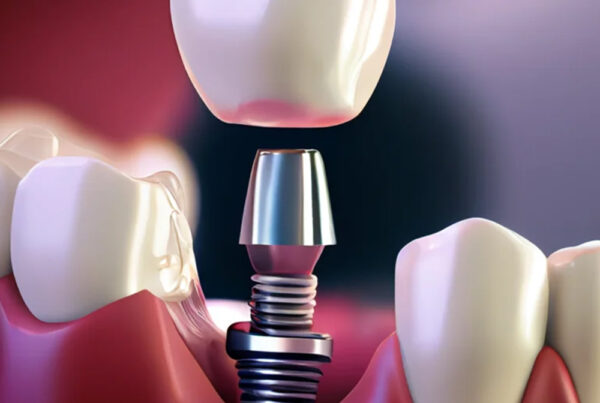
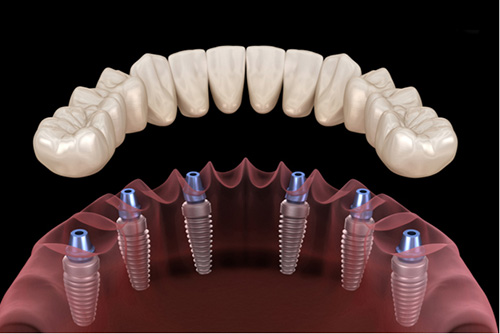
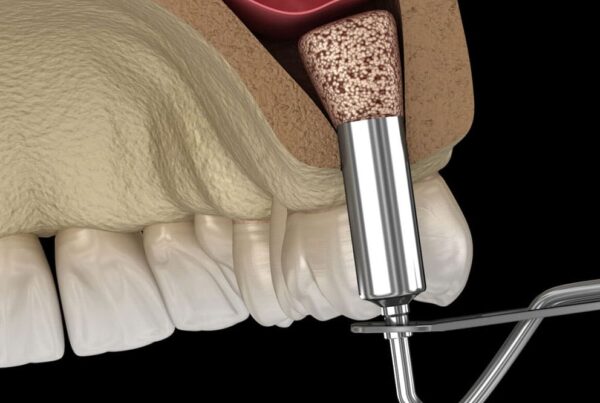
A subperiosteal implant is a specialized dental implant system designed for patients with insufficient jawbone density who cannot undergo traditional implant procedures. Unlike conventional implants that insert into the bone, subperiosteal dental implants rest on top of the jawbone but beneath the gum tissue, providing a stable foundation for replacement teeth without requiring extensive bone grafting. This advanced solution offers patients with severe bone loss a viable path to restoring their smile and oral function.
| Feature | Subperiosteal Implants | Endosteal Implants |
|---|---|---|
| Placement Location | On top of jawbone, under gum | Inside the jawbone |
| Bone Requirement | Minimal bone density needed | Adequate bone density required |
| Surgery Type | Single or two-stage procedure | Drilling into bone required |
| Healing Time | 3-6 months | 3-6 months |
| Best For | Severe bone loss patients | Patients with healthy bone |
| Bone Grafting | Usually not required | Often necessary if bone is insufficient |
| Success Rate | 85-90% | 95-98% |
| Average Cost in Turkey | €800-€1,500 per arch | €400-€700 per implant |
Subperiosteal Dental Implants in Turkey & Istanbul – Prices, Benefits & Reviews
Turkey has emerged as a leading destination for subperiosteal dental implants, combining world-class dental expertise with affordable pricing structures. Istanbul, in particular, hosts numerous internationally accredited clinics specializing in advanced implantology procedures that serve thousands of international patients annually.
High-Quality Treatments at Competitive Prices
Subperiosteal implant cost in Turkey represents exceptional value compared to Western countries. Patients typically save 60-70% on their dental treatment expenses while receiving care that meets or exceeds international standards. The affordable dental implants Turkey offers include premium materials, advanced imaging technology, and comprehensive aftercare protocols that ensure optimal results.
Turkish dental clinics invest heavily in cutting-edge equipment including 3D CT scanners, CAD/CAM technology, and digital impression systems that enable precise customization of subperiosteal frameworks. This technological advantage, combined with lower operational costs, allows clinics to offer competitive pricing without compromising quality.
We Organize Everything for You
Premier dental clinics in Istanbul provide comprehensive all-inclusive dental packages that handle every aspect of your treatment journey. From airport transfers and hotel accommodations to translation services and post-operative care, these packages eliminate the stress of coordinating medical travel abroad.
Internationally Accredited Dentists
Board-certified implantologists in Turkey frequently hold advanced degrees from prestigious European and American universities. Many maintain memberships in international dental organizations and participate in continuous education programs to stay current with the latest subperiosteal implant techniques and protocols.
What Is a Subperiosteal Implant?
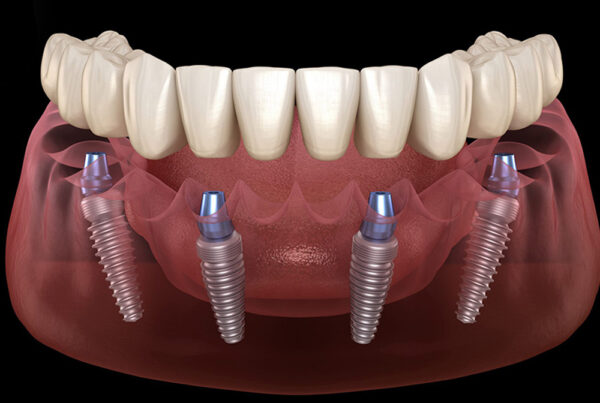
A subperiosteal dental implant consists of a custom-fabricated metal framework, typically made from biocompatible titanium alloy or chrome-cobalt, that is surgically placed between the jawbone (periosteum) and the gum tissue. This framework features strategically positioned posts that protrude through the gums to support dental prosthetics.
The design differs fundamentally from endosteal implants (root-form implants) which are screwed directly into the jawbone. Subperiosteal implants distribute chewing forces across the bone surface rather than within it, making them ideal for patients whose bone structure cannot support traditional implant insertion. The framework is precisely engineered to match the unique contours of each patient’s jaw through advanced 3D imaging and modeling technology.
Who Are Subperiosteal Dental Implants Suitable For?
Subperiosteal implants serve as an excellent solution for specific patient populations who face challenges with conventional implant procedures:
- Patients with severe jawbone atrophy or resorption following long-term tooth loss
- Individuals who cannot or prefer not to undergo bone grafting procedures
- Patients with insufficient bone height in the upper or lower jaw
- Those who have experienced failed traditional implants due to bone loss
- Individuals seeking a less invasive alternative to extensive reconstructive surgery
- Patients with certain medical conditions that complicate bone grafting procedures
The ideal candidate maintains good overall health, practices proper oral hygiene, and has realistic expectations about the treatment outcomes. A comprehensive dental examination including panoramic X-rays and CT scans determines candidacy for subperiosteal implantation.
How Does the Subperiosteal Implant Procedure Work?
The subperiosteal implant procedure follows a systematic approach that ensures precise framework fabrication and optimal surgical placement for long-term success.
Step-by-Step Surgical Process
The treatment begins with comprehensive diagnostic imaging using cone beam CT technology to create detailed 3D models of the jawbone structure. This digital data guides the design of a custom subperiosteal framework that perfectly conforms to the patient’s unique bone topography.
Modern single-stage procedures involve one surgical appointment where the surgeon exposes the jawbone through a carefully planned incision, positions the custom framework directly onto the bone surface, and secures it in place. The protruding posts extend through the gum tissue immediately, though prosthetic teeth aren’t attached until healing completes.
Some cases require a two-stage approach where initial surgery creates impressions of the exposed jawbone, the framework is fabricated in a dental laboratory over several weeks, then a second surgery places the finished framework. This traditional method, while requiring two procedures, allows for extremely precise customization.
Throughout the procedure, patients receive appropriate anesthesia or sedation to ensure comfort. Minimally invasive surgical techniques reduce tissue trauma and accelerate recovery timelines.
Healing Time & Recovery
Subperiosteal implant recovery typically spans 3-6 months as the surrounding gum tissue heals and integrates with the framework. Unlike endosteal implants which require osseointegration (bone fusion), subperiosteal implants rely on soft tissue integration and mechanical stability against the bone surface.
Initial healing occurs within 2-3 weeks when swelling subsides and sutures are removed. Patients can expect mild discomfort managed effectively with prescribed medications. A soft food diet is recommended during the first several weeks to avoid excessive pressure on the surgical site.
Full maturation of the gum-framework interface takes several months, after which permanent dental prosthetics including crowns, bridges, or dentures are attached to the protruding posts. Regular follow-up appointments monitor healing progress and ensure proper framework stability.
Subperiosteal vs Endosteal Implants: Which One Is Right for You?
Choosing between subperiosteal and endosteal implants depends on multiple factors related to bone quality, treatment goals, and patient preferences.
Endosteal implants remain the gold standard for patients with adequate bone density, offering superior long-term success rates (95-98%) and excellent stability through direct bone integration. These root-form implants function most similarly to natural tooth roots and provide optimal force distribution during chewing.
Subperiosteal implants excel in scenarios where bone volume is severely compromised. They eliminate the need for bone augmentation procedures such as sinus lifts or ridge augmentation, which add months to treatment timelines and increase overall costs. Patients who are medically unsuitable for extensive surgery or bone grafting find subperiosteal options particularly advantageous.
The decision requires careful evaluation by an experienced implant dentist who considers bone quality assessments, medical history, budget constraints, and lifestyle factors. Some patients benefit from hybrid approaches combining both implant types to optimize outcomes across different jaw regions.
Custom-Made Subperiosteal Implants With Modern Technology
Contemporary subperiosteal implant fabrication leverages advanced digital technologies that dramatically improve precision and predictability compared to traditional methods.
Computer-aided design and manufacturing (CAD/CAM) systems process detailed CT scan data to create virtual models of the jawbone. Specialized software designs the optimal framework configuration, accounting for bone contours, tissue thickness, and prosthetic requirements. This digital workflow eliminates many variables and human errors inherent in manual impression-taking.
3D printing technology enables rapid prototyping of surgical guides and frameworks, allowing surgeons to preview and refine designs before final fabrication. Some clinics utilize biocompatible 3D-printed titanium frameworks that offer exceptional strength-to-weight ratios and perfect anatomical fit.
Digital impression scanners capture highly accurate surface data without uncomfortable traditional impression materials, improving patient comfort during the planning phase. This technology integration results in frameworks that seat perfectly during surgery, reducing operative time and enhancing long-term stability.
What Do Subperiosteal Dental Implants Look Like?
Subperiosteal implant frameworks resemble custom metal scaffolds specifically engineered to match the patient’s jaw contours. The structure typically features:
- A thin, curved base plate that rests against the jawbone surface, distributing forces across a wide area
- Multiple vertical posts (usually 2-4 per arch) that extend through the gum tissue to support prosthetics
- Strategic reinforcements and connecting bars that provide structural integrity
- Smooth, polished surfaces that minimize tissue irritation and promote healing
Once installed and healed, the framework becomes invisible beneath the gum tissue, with only the abutment posts visible above the gum line. These posts resemble small metal cylinders that serve as attachment points for dental restorations.
The final appearance depends entirely on the prosthetic teeth attached to the posts. Patients can choose from various options including individual crowns, fixed bridges, or removable dentures, all designed to match natural tooth color, shape, and size for seamless aesthetic integration.
Subperiosteal Implants in Turkey
Turkey’s dental tourism industry has positioned the country as a premier destination for complex implant procedures including subperiosteal systems. The combination of skilled specialists, modern facilities, and attractive pricing draws patients from across Europe, the Middle East, and beyond.
Istanbul dental clinics specializing in implantology maintain state-of-the-art surgical suites equipped with advanced sterilization systems, real-time monitoring equipment, and digital workflow technologies. Many facilities hold JCI accreditation (Joint Commission International) or ISO certifications demonstrating adherence to rigorous international healthcare standards.
Why International Patients Choose Dr. Wonder Clinic in Istanbul
Leading clinics like Dr. Wonder Clinic distinguish themselves through comprehensive patient care models that address every aspect of the treatment experience. Multilingual staff facilitate clear communication, while experienced coordinators manage all logistical details including accommodation booking, local transportation, and sightseeing arrangements.
Patients appreciate transparent pricing structures with no hidden fees, detailed treatment plans provided during virtual consultations, and flexible scheduling that accommodates international travel constraints. The clinic’s commitment to patient satisfaction is reflected in numerous positive reviews highlighting clinical outcomes, staff professionalism, and overall value.
Subperiosteal Dental Implants Cost
Subperiosteal implant pricing varies based on several factors including framework complexity, materials used, and additional procedures required. In Turkey, patients typically pay:
- Full arch subperiosteal implant: €800-€1,500
- Partial subperiosteal framework: €600-€1,200
- Complete treatment package (including prosthetics): €2,500-€4,500
These prices represent 60-70% savings compared to equivalent treatments in Western Europe (€4,000-€8,000) or North America (€5,000-€10,000). The cost advantage stems from lower operational expenses and favorable exchange rates, not reduced quality standards.
Most Turkish dental clinics offer transparent pricing that includes diagnostic imaging, framework fabrication, surgical placement, follow-up appointments, and temporary prosthetics. Final prosthetic teeth may incur additional charges depending on material selection (porcelain, zirconia, or acrylic) and complexity.
International patients should verify what’s included in quoted prices and inquire about warranty coverage for both the framework and prosthetic components. Reputable clinics provide detailed breakdowns and written guarantees protecting patients’ investments.


