




Dental Splints: Types, Costs, and Benefits (2026)
TLDR: A dental splint is a custom or over-the-counter oral device worn to protect teeth, stabilize the jaw, or manage temporomandibular joint (TMJ) disorders. In 2026, dental splint costs range from $20–$100 for OTC options to $300–$2,500+ for custom-made dental splints, depending on type, materials, and your dentist’s location. Whether you need a night guard for bruxism, an occlusal splint for TMJ pain, or a periodontal splint after trauma, this guide covers everything you need to know including what to expect at the dentist’s office, insurance coverage, and how to choose the right type.
Dental Splint Cost Comparison Table (2026)
| Splint Type | Who It’s For | Cost Range (USD) | Custom vs. OTC | Duration of Use |
|---|---|---|---|---|
| Soft Night Guard | Mild bruxism (teeth grinding) | $300 – $600 | Custom | Nightly, ongoing |
| Hard Acrylic Occlusal Splint | TMJ disorders, severe bruxism | $600 – $1,200 | Custom | Nightly, 3–12 months |
| Dual-Laminate Splint | Moderate bruxism | $400 – $800 | Custom | Nightly, ongoing |
| Michigan Splint / Stabilization Splint | TMJ pain, jaw clenching | $800 – $2,500 | Custom | 3–6 months+ |
| Periodontal / Dental Trauma Splint | Loose or injured teeth | $200 – $700 | Custom (bonded) | 2–8 weeks |
| Sports Mouthguard Splint | Contact sports protection | $150 – $500 | Custom | Per use |
| OTC Boil-and-Bite Guard | Mild bruxism, budget option | $20 – $100 | Over-the-counter | Variable |
| Sleep Apnea / MAD Splint | Obstructive sleep apnea | $1,500 – $3,000 | Custom | Nightly, ongoing |
What Is a Dental Splint?
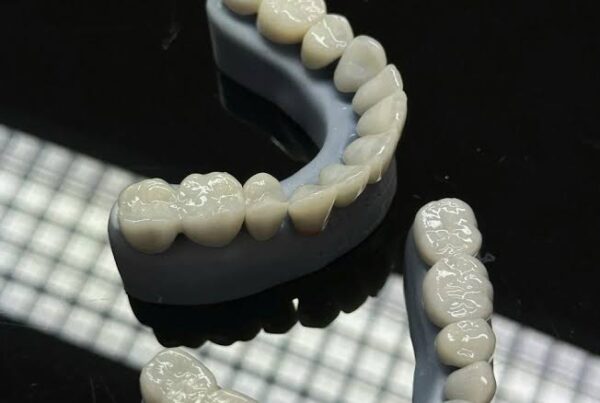
A dental splint is a removable or fixed oral appliance designed to protect teeth, redistribute bite force, and support jaw joint health. Unlike a simple over-the-counter mouthguard, a properly fitted custom dental splint is fabricated from impressions of your teeth, ensuring precise contact and maximum effectiveness.
Dentists prescribe splints to treat a range of conditions including bruxism (teeth grinding and clenching), TMJ dysfunction, tooth mobility caused by periodontal disease, and dental trauma recovery.
Types of Dental Splints Explained
1. Occlusal Splints (Night Guards)
The most commonly prescribed type, occlusal splints are worn over the upper or lower teeth to prevent grinding damage and reduce jaw muscle tension. Hard acrylic versions offer the most durability, while soft variants are better tolerated by new users.
Best for: Bruxism, jaw clenching, morning headaches, worn enamel.
2. Michigan Splint (Stabilization Splint)
The Michigan splint is the gold standard for TMJ disorder treatment. It covers all upper teeth and is precision-adjusted to create an ideal occlusal relationship, reducing joint stress and muscle hyperactivity over time.
Best for: Chronic TMJ pain, clicking or locking jaw, facial muscle soreness.
3. Periodontal Splints
Used after dental trauma or to manage tooth mobility from advanced gum disease, periodontal splints are typically bonded to the teeth temporarily. They stabilize loose teeth while healing occurs, preserving the natural dentition.
Best for: Knocked-out or loosened teeth, post-trauma recovery, mobile teeth from bone loss.
4. Mandibular Advancement Devices (MAD)
A type of sleep apnea splint, MADs hold the lower jaw slightly forward to keep airways open during sleep. They are a non-CPAP alternative increasingly recommended by sleep dentistry specialists.
Best for: Mild to moderate obstructive sleep apnea, heavy snoring.
5. Repositioning Splints
These are used to shift the jaw into a therapeutically improved position over several months. They are more aggressive than stabilization splints and require careful monitoring.
Best for: Disc displacement disorders, anterior open bite related to TMJ.
Benefits of Dental Splints
- Prevents tooth wear and fractures caused by nocturnal grinding
- Reduces TMJ pain and inflammation by offloading stress on the joint
- Improves sleep quality by relaxing overactive jaw muscles
- Protects dental restorations (crowns, veneers, implants) from damage
- Stabilizes injured or mobile teeth during healing
- Non-invasive and reversible — no surgery required
Does Insurance Cover Dental Splints?
Coverage varies significantly. Dental insurance may cover a portion of an occlusal splint when medically indicated for bruxism or TMJ. Sleep apnea splints (MADs) are often covered under medical insurance rather than dental, especially with a physician’s diagnosis. OTC options are never reimbursed.
Always request a pre-authorization from your insurer before treatment to understand out-of-pocket costs. Many dental offices offer payment plans for custom appliances.
Custom vs. OTC Dental Splints: Which Is Better?
| Factor | Custom Splint | OTC / Boil-and-Bite |
|---|---|---|
| Fit | Precise, lab-fabricated | Generic, approximate |
| Durability | 2–5+ years | 6–12 months |
| Effectiveness | Clinically proven | Limited evidence |
| Cost | $300 – $2,500 | $20 – $100 |
| Comfort | High | Moderate to low |
| Recommended by dentists | Yes | Only as a short-term stopgap |
For anyone experiencing significant jaw pain, frequent headaches, or visible tooth wear, investing in a custom appliance is almost always the better long-term value.
How to Get a Dental Splint
- Schedule a comprehensive dental exam — your dentist will evaluate your bite, joint health, and symptoms.
- Receive a diagnosis — bruxism, TMJ disorder, sleep apnea, or trauma will guide the splint type.
- Take impressions or digital scans — used to fabricate a perfectly fitting appliance.
- Fitting appointment — adjustments are made for comfort and proper occlusal contact.
- Follow-up visits — essential for bite calibration and monitoring progress.
Key Takeaways
- Dental splint prices range from $20 for OTC guards to $2,500+ for advanced TMJ appliances in 2026.
- The right splint depends on your diagnosis — bruxism, TMJ, sleep apnea, or dental trauma each have specific recommended devices.
- Custom splints outperform OTC options in fit, durability, and clinical outcomes.
- Insurance may cover costs when treatment is medically documented always check before paying out of pocket.
- A qualified dentist or oral appliance specialist is the best starting point for diagnosis and device selection.
Your Smile, Our Passion
Ready to Transform Your Smile?
Fill in our quick form and our team will contact you to confirm all details and answer your questions.
Book Your Free
Consultation Today
Our specialists will guide you through the best treatment options tailored for you.
Step 1 / 2
Step 2 / 2
← Back to Contact Info
Request Received!
Thank you! Our team will be in touch within 24 hours to confirm your consultation and answer any questions.
Trusted by Thousands
Find your perfect smile at Dr. Wonder Clinic