




Porcelain Veneers vs Crowns: Key Differences Explained
TLDR: Porcelain veneers cover only the front surface of a tooth, while dental crowns encase the entire tooth for structural reinforcement. At Dr. Wonder Clinic Istanbul, E.max porcelain veneers start from 305€ per tooth and CAD/CAM zirconia crowns from 255€ per tooth — both 60–75% less than equivalent treatment in the UK or US. Choosing between the two depends on the extent of tooth damage, your aesthetic goals, and how much natural tooth structure remains. Most smile makeover patients require a combination of both for optimal results.
| Treatment | Cost Per Tooth | Tooth Coverage | Best For | Lifespan |
|---|---|---|---|---|
| E.max Porcelain Veneer | 305€ | Front surface only | Cosmetic correction, healthy teeth | 15–20 years |
| E.max Porcelain Crown | 305€ | Full tooth | Damaged, root-treated or weakened teeth | 15–20 years |
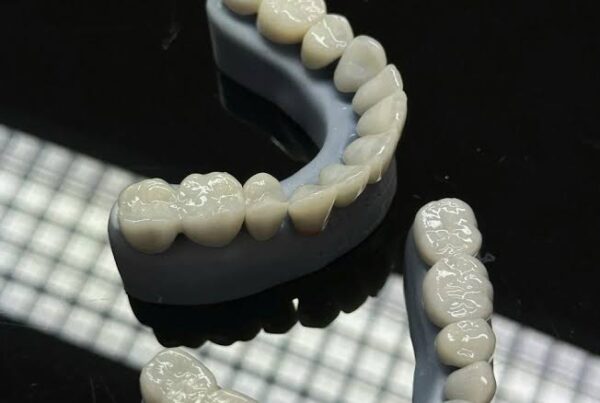
| CAD/CAM Zirconia Crown | 255€ | Full tooth | Strength-critical or full-arch cases | 20+ years |
| Porcelain Onlay / Inlay | 255€ | Partial coverage | Moderate damage, conservative prep | 10–15 years |
| 8-Veneer Smile Makeover | from 2,440€ | Front 8 teeth | Full aesthetic transformation | 15–20 years |
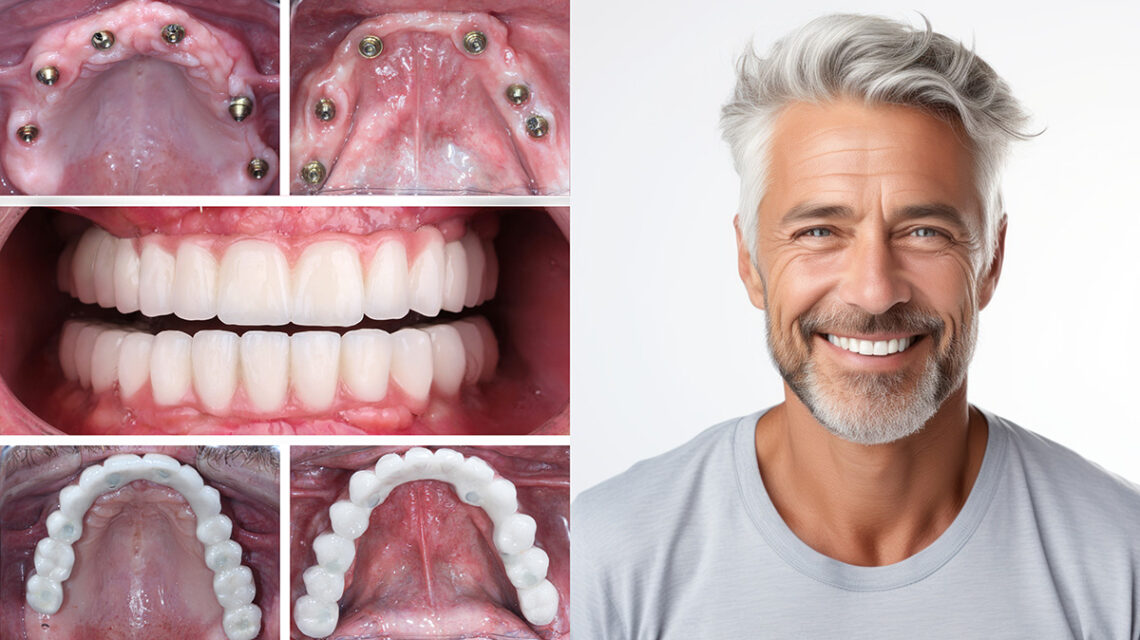
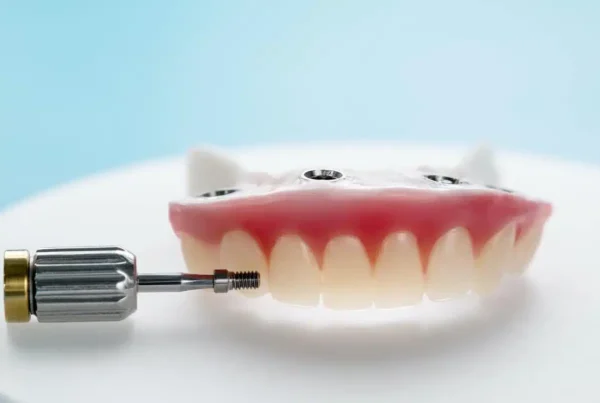
| Full Arch Zirconia (16 teeth) | from 4,080€ | Upper or lower arch | Complete smile renewal | 20+ years |
Prices in Euro. Final cost confirmed after free clinical examination and digital smile design consultation.
Understanding the Core Difference
When patients arrive at Dr. Wonder Clinic asking about porcelain veneers, one of the first questions we ask is: how healthy is the underlying tooth? That single factor more than aesthetics, more than budget determines whether a veneer or a crown is the clinically appropriate choice.
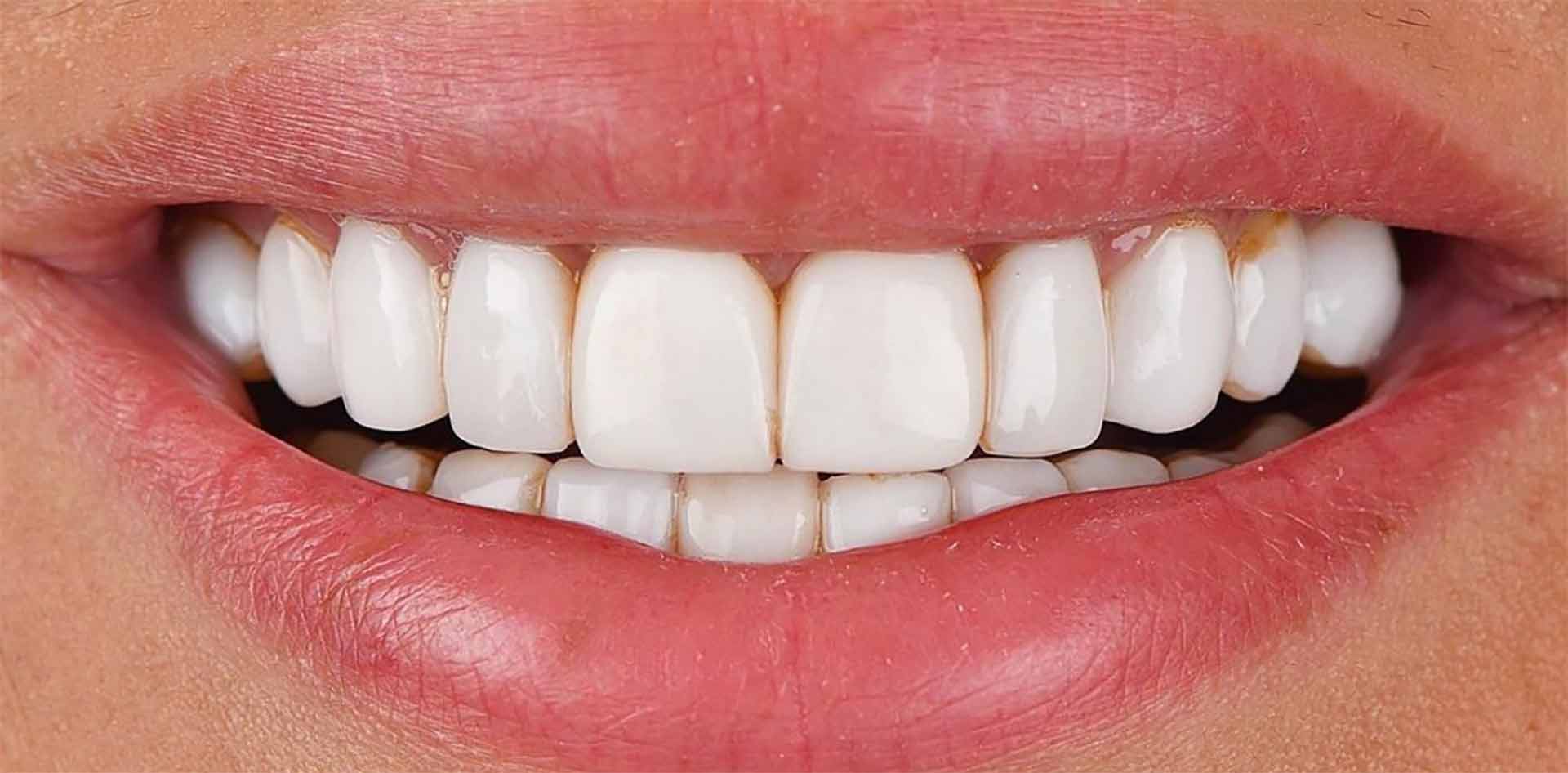
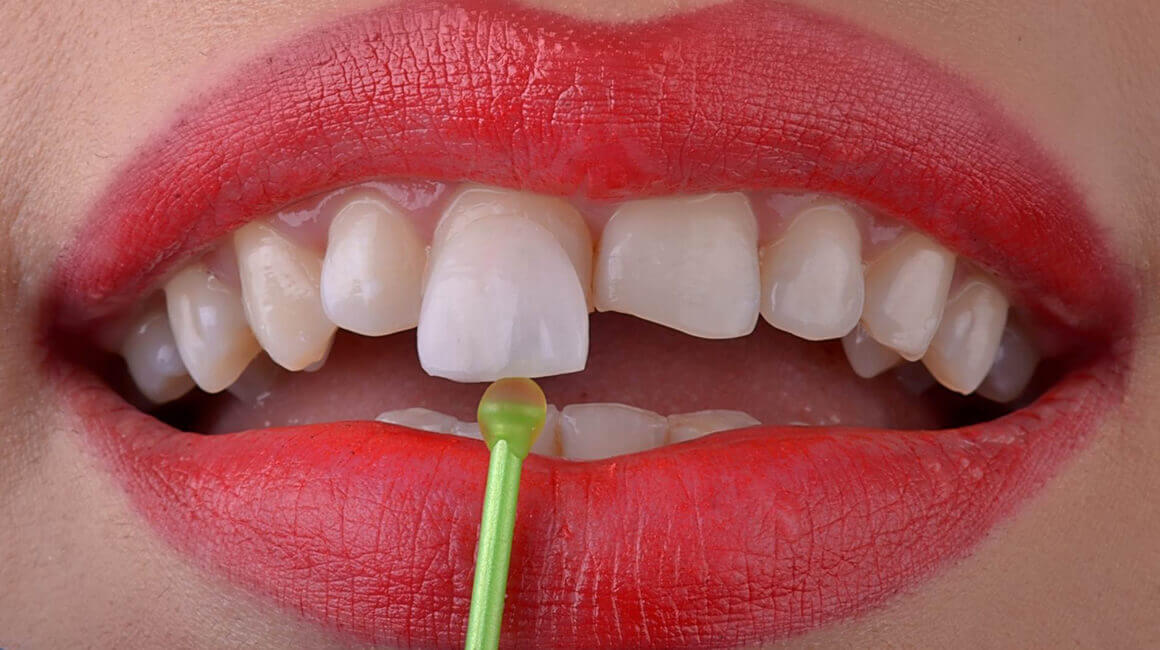
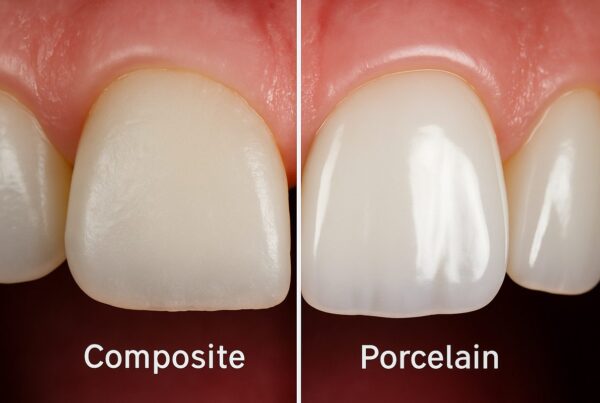
A porcelain veneer is a conservative restoration. It covers only the visible front face of the tooth, requires minimal enamel removal, and is bonded directly to the natural tooth surface. A dental crown, by contrast, is a full cap that encases the entire tooth above the gumline — all four sides and the biting surface. It demands significantly more tooth preparation but provides comprehensive structural protection that a veneer simply cannot offer.
Neither is inherently superior. They solve different problems, and understanding which applies to your situation is the foundation of a successful treatment outcome.
When Porcelain Veneers Are the Right Choice
Veneers are a cosmetic solution for teeth that are structurally sound but aesthetically compromised. They are the treatment of choice when a patient wants to address permanent discolouration unresponsive to professional whitening, minor chips or surface cracks, small gaps between teeth, slight irregularities in tooth shape or length, or mild crowding that doesn’t require orthodontic correction.
Because veneers require only a minimal reduction of the enamel layer and in some ultra-thin cases, none at all they preserve the maximum amount of natural tooth structure. This conservative approach is one of the key reasons cosmetic dentists favour veneers for front teeth in otherwise healthy mouths. The translucency of E.max lithium disilicate ceramic closely replicates the optical properties of natural enamel, producing results that are genuinely difficult to distinguish from real teeth.
Veneers are not suitable, however, for teeth that have been significantly weakened by decay, large existing fillings, or root canal treatment. Bonding a thin shell to a structurally compromised tooth offers insufficient long-term protection and risks veneer failure or further tooth damage.
When Dental Crowns Are the Right Choice
A crown becomes necessary when the tooth itself needs protection, not just cosmetic enhancement. Common clinical indications include teeth that have undergone root canal treatment and lost internal structural integrity, teeth with large existing fillings where little healthy enamel remains, cracked or fractured teeth at risk of further splitting, severely worn teeth caused by bruxism or acid erosion, and teeth with significant decay that a filling alone cannot adequately restore.
Crowns fully encircle the tooth, distributing bite forces evenly across the entire surface rather than concentrating pressure on a single point. This makes them far more resilient under heavy chewing load, which is why zirconia crowns are routinely used for posterior teeth where bite force is greatest. For front teeth where aesthetics are paramount, E.max all-ceramic crowns deliver exceptional strength alongside the natural translucency and colour-matching properties that cosmetic cases demand.
The Preparation Process: A Key Practical Difference
One of the most significant practical distinctions between veneers and crowns lies in the preparation required before placement. Veneer preparation is minimal typically 0.3mm to 0.7mm of enamel is removed from the front face of the tooth. For no-prep or minimal-prep veneers, this reduction is even smaller. The procedure is largely reversible in concept, though veneers themselves are considered a permanent commitment once enamel has been altered.
Crown preparation is substantially more invasive. The dentist must reduce the tooth on all sides front, back, and both flanks to create sufficient clearance for the crown to sit without adding bulk to the bite. This process removes a greater volume of natural tooth structure and is irreversible. It is, however, clinically justified when the tooth genuinely requires the full circumferential support a crown provides.
At Dr. Wonder Clinic, every treatment plan is built around the principle of minimal intervention. Our dentists will always recommend the most conservative option that achieves the clinical and aesthetic outcome you’re looking for. If veneers will do the job, we will not recommend crowns.
Can Veneers and Crowns Be Combined?
Absolutely and in most comprehensive smile makeovers, they are. A typical full-mouth restoration at Dr. Wonder Clinic might involve E.max veneers on the upper front teeth where natural enamel is intact and healthy, zirconia crowns on posterior teeth or any previously root-treated teeth, and porcelain onlays where partial coverage is all that’s needed. This combination approach achieves the best possible aesthetic result while respecting the structural requirements of each individual tooth.
Your treatment plan is never a one-size-fits-all prescription. It is a clinical document built around your specific dental anatomy, existing restorations, bite pattern, and smile goals reviewed with you in detail before a single tooth is touched.
Durability, Maintenance and Longevity
Both E.max veneers and porcelain crowns typically last 15 to 20 years with proper care. Zirconia crowns are among the most durable restorations in dentistry and can last well beyond 20 years. Daily brushing, regular flossing, and routine professional cleaning every six months are the primary factors that determine longevity. Patients who grind their teeth are always fitted with a custom night guard as a protective measure bruxism is the single most common cause of premature veneer and crown failure and must be proactively managed.
Avoid biting hard objects, opening packaging with your teeth, or exposing restorations to extreme temperature changes in rapid succession. Beyond these straightforward precautions, veneers and crowns require no special maintenance beyond what good oral hygiene already demands.
Your Smile, Our Passion
Ready to Transform Your Smile?
Fill in our quick form and our team will contact you to confirm all details and answer your questions.
Book Your Free
Consultation Today
Our specialists will guide you through the best treatment options tailored for you.
Step 1 / 2
Step 2 / 2
← Back to Contact Info
Request Received!
Thank you! Our team will be in touch within 24 hours to confirm your consultation and answer any questions.
Trusted by Thousands
Find your perfect smile at Dr. Wonder Clinic







One Comment