



Key Takeaways
- Choosing an accredited clinic is the single biggest factor in a safe outcome for a deeper look at what separates reputable providers from the ones behind the horror stories, see how safe is dental surgery in Turkey.
- Not sure how to vet a clinic before committing? Our guide on how to choose a dental clinic in Turkey covers the credentials and red flags worth checking first.
- If a full smile makeover is on your radar, it’s worth understanding the treatment itself before comparing quotes see our breakdown of Hollywood Smile treatment in Turkey.
- Considering All-on-4 for a full-arch restoration? Compare it directly against the All-on-6 alternative in our guide to All-on-4 vs. All-on-6 dental implants.
- Want a fuller price comparison across every treatment type, not just the highlights above? Our complete dental treatment cost and price list breaks down 2026 pricing across the board.
- If you’re specifically comparing Turkey to a UK-based provider before booking, see dental implants in Turkey vs. UK 2026 for a side-by-side look.
- Planning your trip around package pricing rather than treatment-only fees? Our guide to dental tourism pricing in Turkey explains what’s usually included.
“Turkey teeth” has become the shorthand sometimes said with a smile, sometimes with a raised eyebrow — for the wave of patients traveling to Turkey for dental work abroad. Whether you first heard the term from a celebrity headline, a friend’s before-and-after photos, or a viral social media post, chances are you’re now asking the real question: is it actually safe, what does it really cost, and what should you expect if you go?
This guide breaks down the turkey teeth trend, separates the myths from the facts, and walks through exactly what a real treatment journey looks like in 2026.
What Does “Turkey Teeth” Actually Mean?
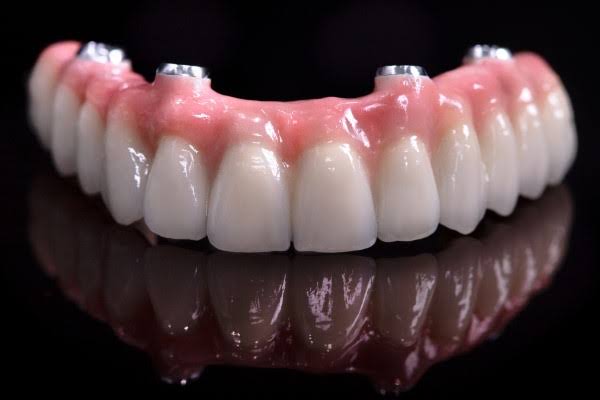
“Turkey teeth” is an informal term used mainly in the UK and US to describe cosmetic and restorative dental treatment in Turkey — most often veneers, crowns, and dental implants. The nickname emerged from the sheer volume of British and American patients traveling to cities like Istanbul and Antalya for dental tourism, drawn by prices that are typically 50–70% lower than at home.
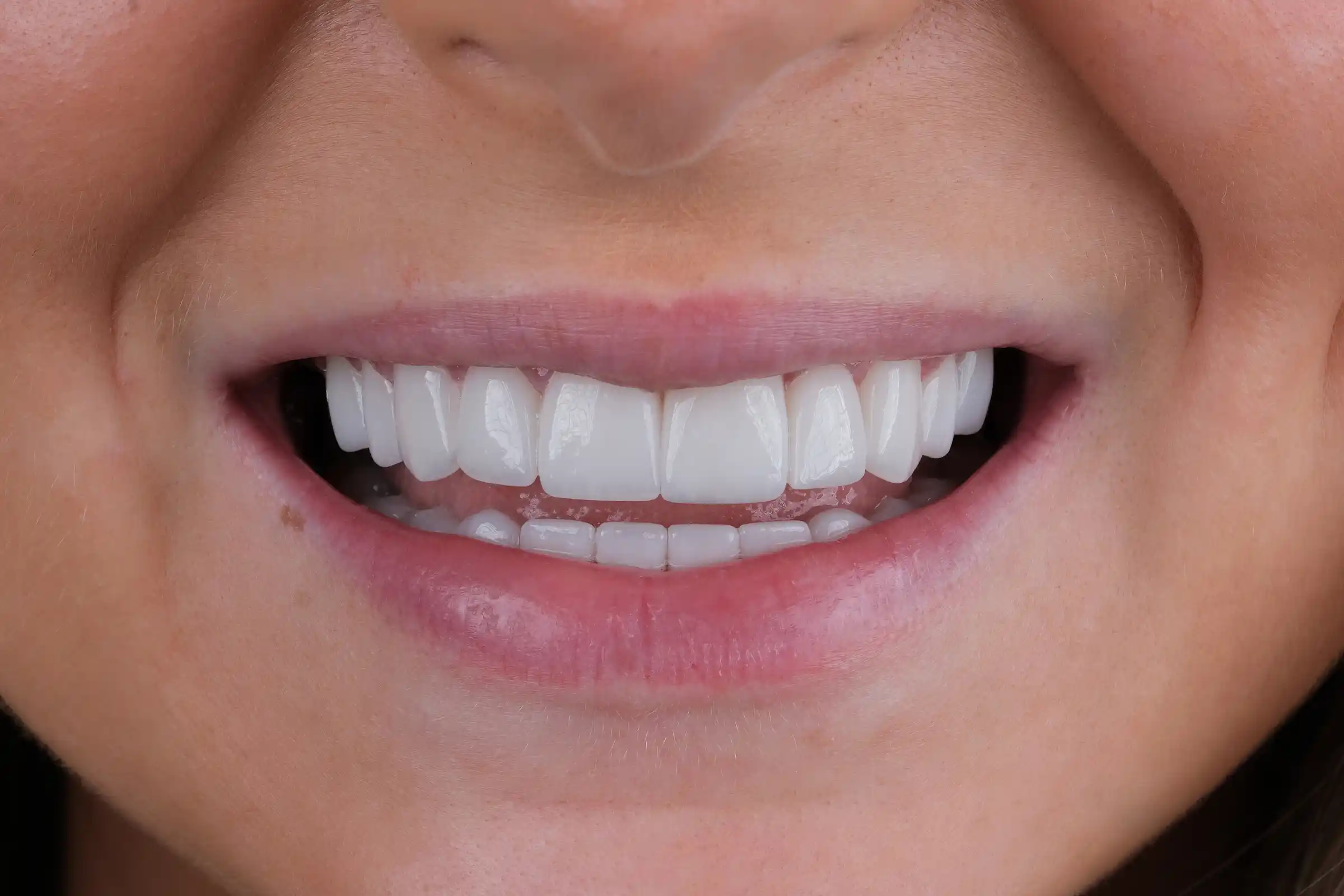
The term picked up a negative reputation online after a handful of viral cases showed overly white, overly large veneers — sometimes called the “big white shutter” look. But this represents a small fraction of cases, usually tied to a handful of budget clinics rather than the industry as a whole. The vast majority of dental implants Turkey and veneer patients report natural-looking, well-fitted results.
Is Turkey Teeth Safe? What the Data Actually Shows
Safety is the single most-searched concern around teeth in Turkey, and it deserves a direct answer: yes, when you choose an accredited clinic, treatment in Turkey is generally safe — but not all clinics are equal, and due diligence matters more here than in almost any other medical tourism category.
What makes a clinic safe:
- JCI (Joint Commission International) or ISO certification — the same accreditation standards used to evaluate hospitals in the US and UK
- Dentists registered with the Turkish Dental Association, with visible credentials and case history
- Use of internationally recognized implant and material brands (not unbranded generic components)
- On-site CT/CBCT imaging for accurate treatment planning
- A written treatment plan and cost breakdown provided before you travel
- Clear aftercare and warranty documentation
Red flags to watch for:
- Prices that seem impossibly low compared to every other clinic
- No verifiable reviews, or only reviews on the clinic’s own website
- Pressure to book immediately without a consultation
- No clear post-treatment follow-up or warranty policy
- Vague answers about which implant or veneer brand will be used
Most of the turkey teeth horror stories that circulate online trace back to unlicensed or unaccredited operators — not the country’s dental industry as a whole, which includes some of the most modern clinics in Europe.
Turkey Teeth Cost: What You’ll Actually Pay in 2026
The main driver behind the turkey teeth boom is cost. Here’s a realistic comparison for the most commonly requested treatments:
| Treatment | Turkey (avg. 2026) | UK (avg.) | US (avg.) |
|---|---|---|---|
| Single dental implant | $400–$700 | $2,000–$2,800 | $3,000–$4,500 |
| Zirconia crown | $150–$250 | $600–$900 | $1,000–$1,500 |
| Porcelain veneer (per tooth) | $200–$350 | $700–$1,000 | $900–$2,500 |
| Hollywood Smile (full set, 20 veneers/crowns) | $3,500–$6,000 | $15,000–$20,000 | $20,000–$30,000 |
| All-on-4 full arch | $4,500–$7,000 | $15,000–$20,000 | $20,000–$28,000 |
These lower costs come from a combination of lower operating costs, favorable exchange rates, and a highly competitive clinic market — not from lower-quality materials, provided you’re choosing an accredited provider.
Important: many quoted prices for dental work in Turkey include flights, airport transfers, and hotel stays as part of an all-inclusive package — so always compare total cost, not just the treatment fee, against home-country quotes.
How Many Trips Do You Need to Turkey for Dental Treatment?
This is one of the most practical questions patients ask before booking, and the answer depends entirely on the treatment:
- Veneers or crowns: Usually completed in one trip of 5–7 days — temporary restorations are fitted while permanent ones are fabricated in-lab, then placed before you fly home.
- Single dental implants (no grafting needed): Often possible in one trip, with the implant placed and a temporary crown fitted; the final crown may require a short second visit 3–6 months later once osseointegration is complete, or can sometimes be sent to your home dentist for fitting.
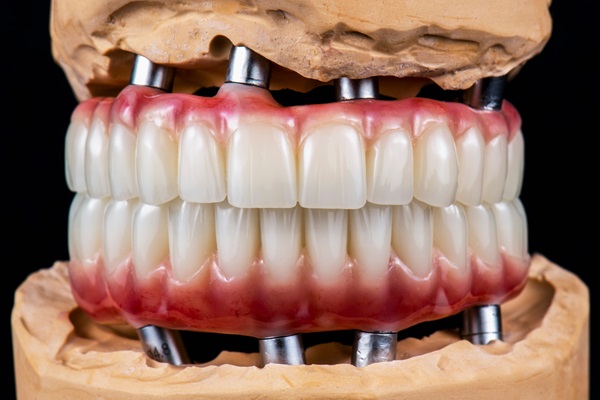
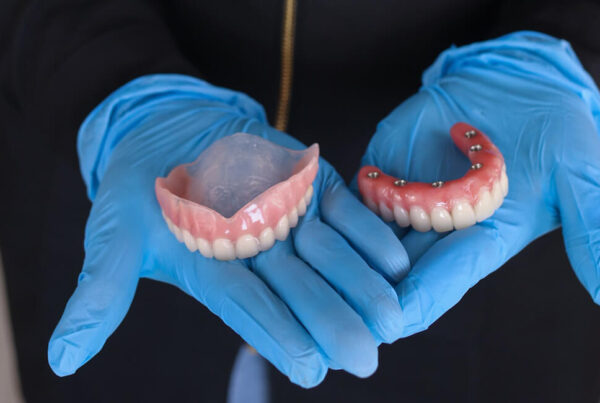
- Full-mouth implants (All-on-4/All-on-6): Typically requires two trips — the first for implant placement (5–7 days), the second 3–6 months later for the final prosthesis (5–7 days).
- Cases needing bone grafting or a sinus lift: May require two to three trips spread across 6–9 months to allow proper healing between stages.
Reputable clinics will lay out exactly how many visits your specific case requires before you book — if a clinic can’t answer this clearly, treat it as a warning sign.
What Actually Happens During a Turkey Dental Trip
A typical dental tourism Turkey journey follows a fairly consistent structure:
- Remote consultation — you send X-rays, photos, or a dental report; the clinic proposes a treatment plan and quote
- Airport pickup — most clinics include transfers as part of the package
- In-person consultation and imaging — a CT scan or CBCT confirms the treatment plan on day one
- Treatment days — procedures are often scheduled across consecutive days depending on complexity
- Recovery time built into the trip — clinics typically schedule 1–2 rest days between major procedures
- Final check and aftercare instructions — before you fly home, including written guidance and contact details for follow-up
Turkey Teeth Aftercare: What to Know Before You Fly Home
Because you’re returning home shortly after treatment, aftercare planning matters more than it would for a local dentist visit:
- Ask for a written aftercare document and your treatment/implant brand details in case you need a local dentist later
- Confirm the clinic’s warranty policy — reputable providers typically offer 5–10 year warranties on implants and 2–5 years on veneers/crowns
- If you’re not flying immediately, allow a short buffer before travel, especially after implant placement, to reduce swelling-related discomfort during the flight
- Keep a copy of any prescribed medication and instructions in your carry-on
Turkey Teeth vs. Home-Country Treatment: Is It Worth It?
For patients who do their research and choose an accredited clinic, turkey teeth treatment offers a legitimate way to access high-quality dental work at a fraction of Western pricing — which is exactly why the trend has grown into a mainstream option rather than a fringe one.
The trade-offs are real: you’re managing travel logistics, follow-up care happens partly from a distance, and clinic quality varies more than it does at home. But for planned, non-emergency treatments like veneers, crowns, and implants — where you can schedule ahead and choose your provider carefully — the savings and quality of care available in Turkey make it one of the most searched dental decisions of 2026 for good reason.
Final Thoughts
The turkey teeth trend isn’t going anywhere — but the smartest patients in 2026 are the ones who look past the nickname and evaluate clinics the way they would any medical provider: credentials, transparency, verified reviews, and a clear treatment plan before booking. Done right, dental treatment in Turkey delivers exactly what most patients are searching for — a confident, natural-looking smile, without a Western price tag.
If you’re considering treatment and want a personalized cost estimate and trip plan based on your specific case, book a free consultation to get your treatment plan and travel timeline mapped out before you commit.