




Key Takeaways
- Material choice ties directly into cost expectations see our full dental implant cost guide for Turkey to see how titanium vs. zirconia pricing plays out in real quotes.
- If you’re weighing zirconia for its aesthetics, it’s worth comparing it against another popular cosmetic option — our zirconia crown vs. porcelain veneer guide breaks down the difference between an implant material and a restorative material.
- Whichever material you choose, the healing process follows a similar path check our dental implant recovery timeline to know what to expect during osseointegration.
- Not all implant brands use the same manufacturing standards, regardless of titanium or zirconia see our top 10 dental implant brands comparison before your consultation.
- If bruxism or high bite force is a concern for your case, it’s also worth reading about full-mouth implant options, since material choice becomes especially important across a full arch.
- Considering a front-tooth restoration for aesthetic reasons? Our guide to Hollywood Smile treatment in Turkey covers how material and design choices affect the final look.
Choosing a dental implant isn’t just about the dentist or the clinic it’s also about the material that will sit inside your jawbone for the next decade or more. The two options on the market today are titanium dental implants and zirconia dental implants, and the right choice depends on your bone quality, aesthetic goals, and any sensitivities you may have.
This guide breaks down the titanium vs zirconia dental implants debate in plain terms, so you can have an informed conversation with your dentist before treatment.
What Are Titanium Dental Implants?
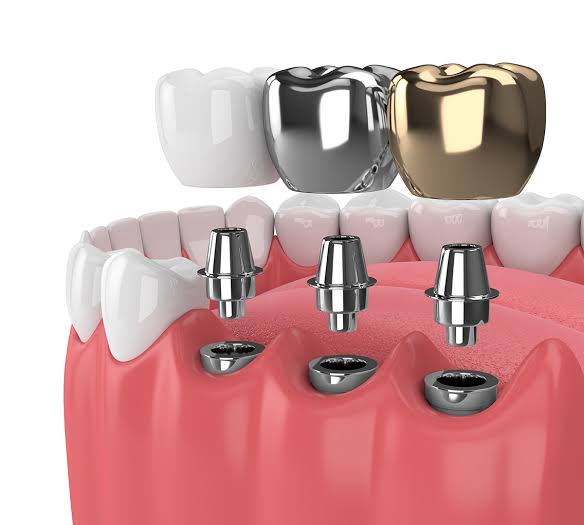
Titanium dental implants have been the industry standard for over 50 years, and they remain the most widely used implant material worldwide. Titanium is a lightweight, extremely strong metal that is highly biocompatible — meaning your body recognizes it as safe and doesn’t reject it.
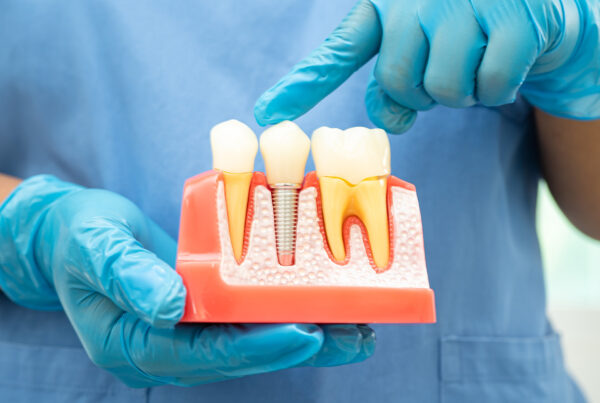
Titanium implants are typically made from a titanium alloy (often Grade 4 or Grade 5 titanium), which is treated with a sandblasted, acid-etched surface to encourage faster osseointegration — the process by which bone fuses directly to the implant surface.
Key characteristics:
- Decades of clinical research and long-term data (40+ years of documented use)
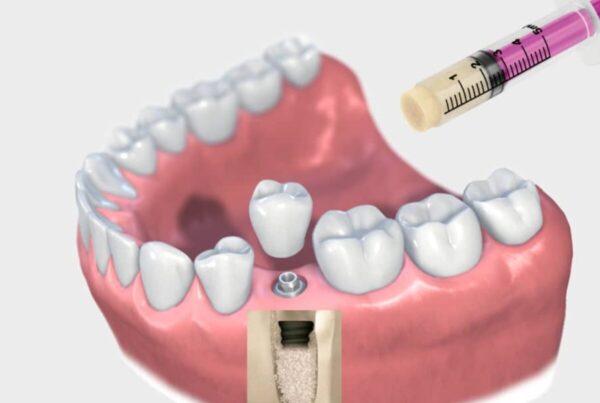
- Can be placed as a two-piece implant system (implant + separate abutment), offering more flexibility for angle correction
- Excellent mechanical strength, ideal for back teeth and high-bite-force areas
- Slight grey tone, which can occasionally show through thin gum tissue
What Are Zirconia Dental Implants?
Zirconia dental implants are a newer, ceramic-based alternative that has gained popularity over the last 15–20 years, particularly among patients looking for a metal-free dental implant option.
Zirconia (zirconium dioxide) is a white, tooth-colored ceramic material known for its strength and biocompatibility. Unlike titanium, zirconia implants are usually manufactured as a one-piece implant system, meaning the implant and abutment are a single fused unit.
Key characteristics:
- Naturally white/tooth-colored — better for patients with thin gum tissue or a high smile line
- Considered a hypoallergenic dental implant option for patients with metal sensitivities
- Lower plaque affinity compared to titanium in some studies, which may support gum health
- Newer material with a shorter long-term track record (roughly 15–20 years of data vs. titanium’s 50+)
- Typically only available as a one-piece design, which limits flexibility for angle adjustments during placement
Titanium vs Zirconia Dental Implants: Side-by-Side Comparison
| Factor | Titanium Implants | Zirconia Implants |
|---|---|---|
| Color | Grey metal | Tooth-colored (white) |
| Clinical track record | 50+ years | 15–20 years |
| Biocompatibility | Excellent | Excellent |
| Metal allergy risk | Very low, but present | None (metal-free) |
| Implant design | One-piece or two-piece | Mostly one-piece |
| Strength/flexibility | Slightly more flexible, absorbs bite force well | Harder but more brittle under lateral stress |
| Best for | Back teeth, most patients, complex cases | Front teeth, thin gums, metal-sensitive patients |
| Cost | Generally lower | Generally 10–30% higher |
Biocompatibility and Metal Allergies
Both materials are considered highly biocompatible dental implant options, and true titanium allergies are rare — estimated at well under 1% of the population. However, for patients with a confirmed titanium allergy or a general preference to avoid metal in the body, zirconia implants offer genuine peace of mind as a metal-free implant solution.
If you have a history of metal sensitivities, autoimmune conditions, or simply prefer a holistic approach to dental treatment, this is often the deciding factor over aesthetics or cost.
Aesthetics: Which Looks More Natural?
For most patients, titanium implants are completely invisible once the crown and gum tissue are in place, because the implant sits below the gumline. However, in patients with:
- Naturally thin or receding gum tissue
- A high smile line that exposes more gum
- Implants placed in the front tooth / anterior zone
…a grey shadow can occasionally become visible through the gum over time. This is where zirconia dental implants have a genuine aesthetic edge — their white color eliminates any risk of grey show-through, making them a popular choice for front tooth dental implants and smile-zone restorations.
Strength and Long-Term Durability
Titanium has a long, well-documented history of handling high bite forces, especially in molar and premolar regions where chewing pressure is greatest. It also has a small amount of flexibility, which allows it to absorb stress rather than fracture.
Zirconia, while extremely hard and scratch-resistant, is more brittle. Under strong lateral forces — such as grinding (bruxism) or impact — zirconia implants carry a slightly higher risk of fracture compared to titanium, particularly in the one-piece designs. This makes material selection especially important for patients who grind their teeth or need implants in high-stress chewing zones.
Osseointegration: Does Material Affect Healing Time?
Both materials achieve strong osseointegration timelines, generally within the same 3 to 6 month window. Some newer studies suggest zirconia’s surface properties may reduce plaque accumulation around the implant, which can be a modest advantage for long-term gum health — but overall integration success rates for both materials, when placed correctly, exceed 95%.
Cost Comparison: Titanium vs Zirconia Implants
Zirconia dental implants typically cost 10–30% more than titanium, largely because:
- The material and manufacturing process are more specialized
- Fewer labs and dentists are trained in zirconia placement
- One-piece systems often require more precise pre-surgical planning
For patients focused on dental implant cost, titanium remains the more budget-friendly and widely available option, without any meaningful compromise in function for the vast majority of cases.
Who Should Choose Titanium Implants?
Titanium is generally the better choice if you:
- Need an implant in the back teeth where chewing force is highest
- Want the most extensively researched, longest-proven option
- Are looking for a more affordable dental implant material
- Need a two-piece implant system for more flexibility during placement (e.g., complex bone angles)
Who Should Choose Zirconia Implants?
Zirconia may be the better fit if you:
- Have a confirmed or suspected metal allergy
- Want a completely metal-free dental implant
- Are replacing a front tooth and have thin or receding gum tissue
- Prefer a more “natural,” ceramic-based approach to dental treatment
- Don’t grind your teeth heavily or can manage bruxism with a nightguard
Final Verdict: Which Material Should You Choose?
There is no universally “better” material — titanium vs zirconia dental implants is a decision that depends on your specific anatomy, health history, and aesthetic priorities. Titanium remains the gold standard for strength, affordability, and long-term data, while zirconia is an excellent metal-free alternative for front-tooth aesthetics and patients with sensitivities.
The best next step is a personalized consultation, where your dentist can evaluate your gum thickness, bone density, bite force, and any allergy history before recommending the right dental implant material for your case.