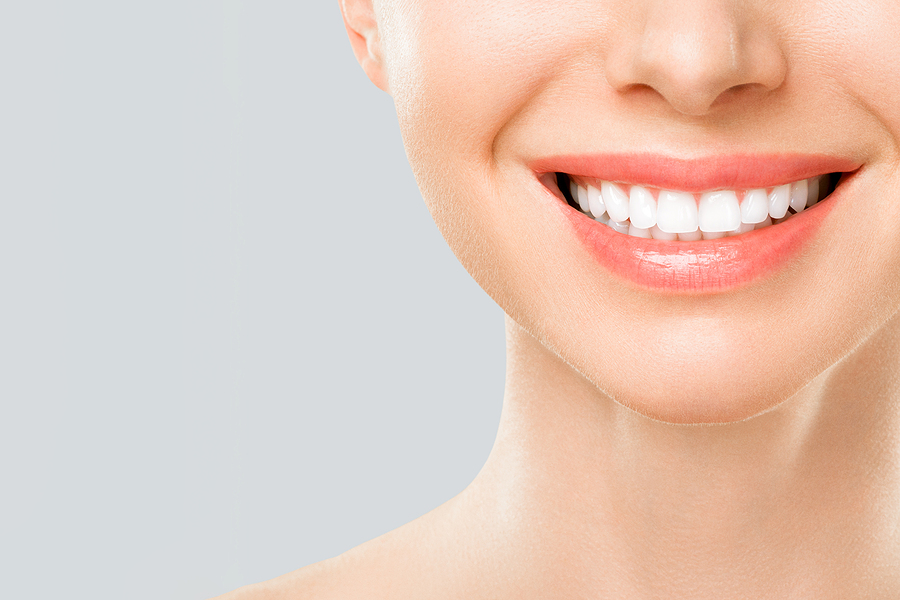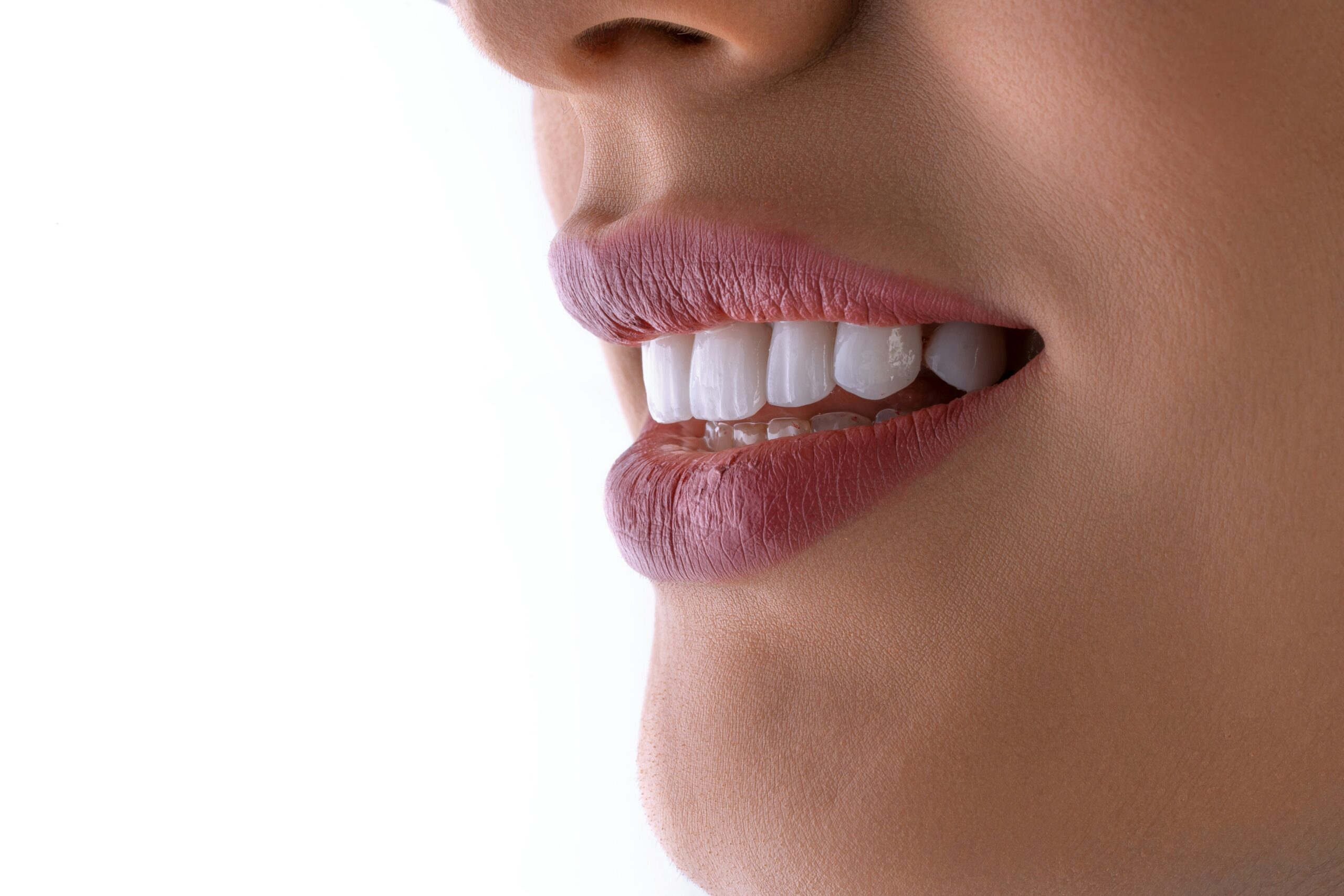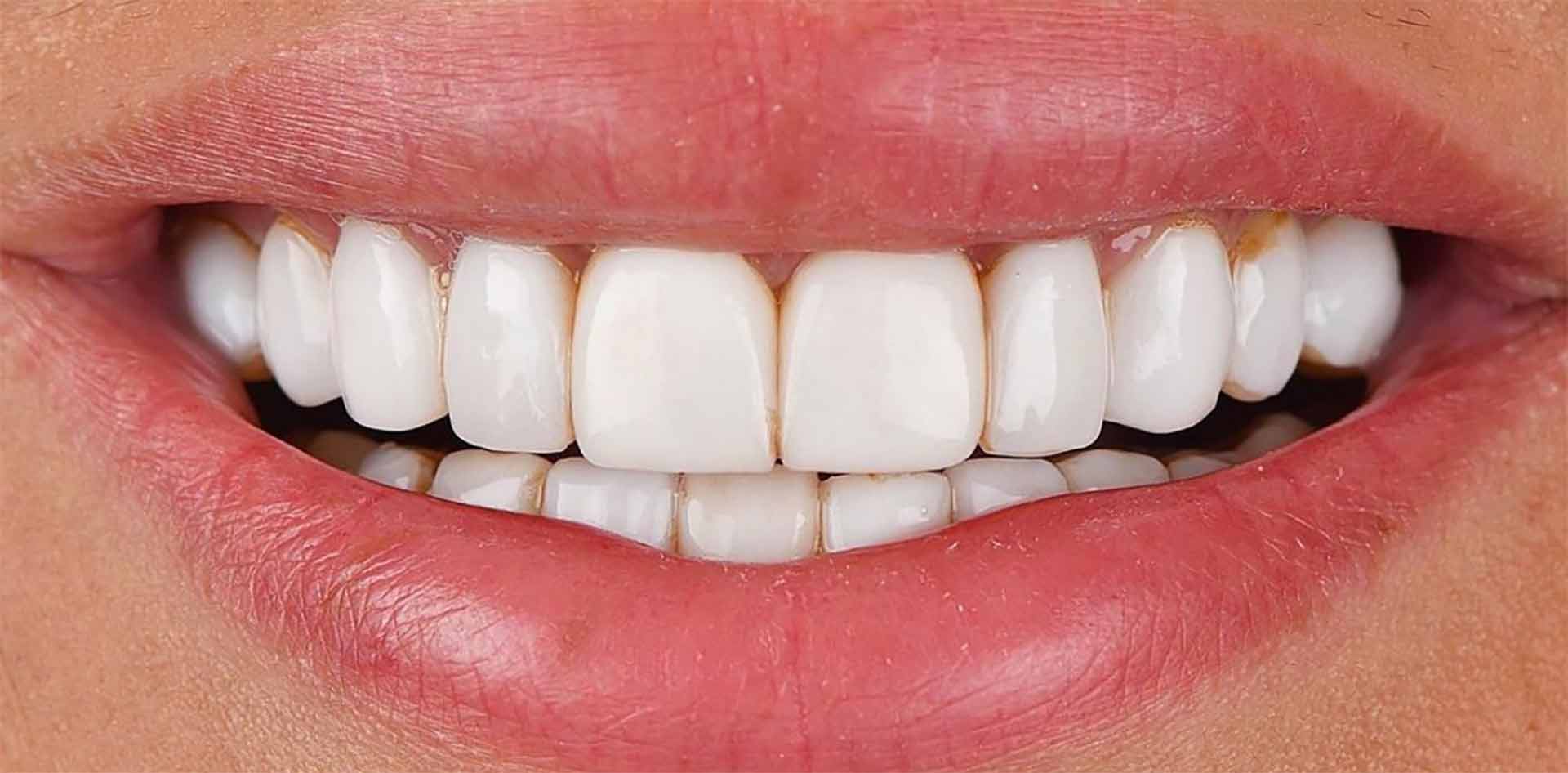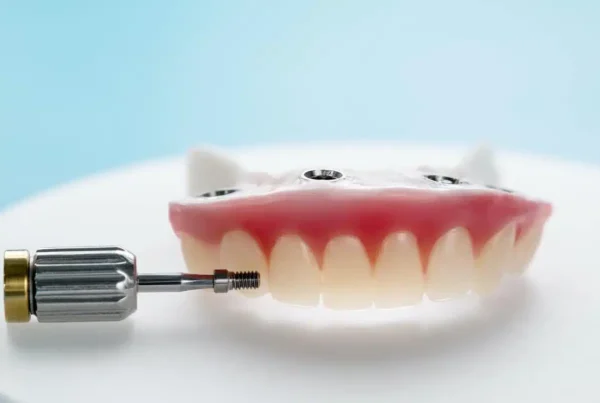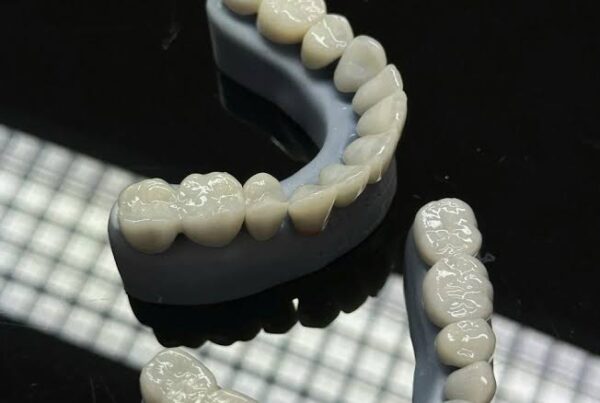





A cracked tooth, deep staining, or a smile you’ve learned to hide these are problems that affect far more than appearance. They impact confidence, comfort, and long-term oral health. Teeth covers offer a direct solution: whether you need to shield a structurally damaged tooth, restore a worn-down bite, or simply improve the way your smile looks, there is a clinically proven cover option designed for that exact purpose. From permanent porcelain crowns and veneers to removable clip-on covers, modern dentistry provides a range of solutions at different price points so the right fix exists regardless of the severity of the problem or the size of your budget.
What Are Teeth Covers?
Teeth covers are dental restorations including crowns, veneers, and removable clip-on covers designed to protect damaged teeth, restore biting function, or improve the cosmetic appearance of your smile. Made from materials such as porcelain, zirconia, composite resin, or metal alloys, teeth covers are customized to fit over the natural tooth surface. Depending on the type, they can address anything from severe structural decay and fractures to minor aesthetic concerns like staining, gaps, or uneven tooth shape.
What Are the 3 Types of Teeth Covers?
There are three main categories of teeth covers, each serving a distinct purpose and suiting different patient needs.
1. Veneers
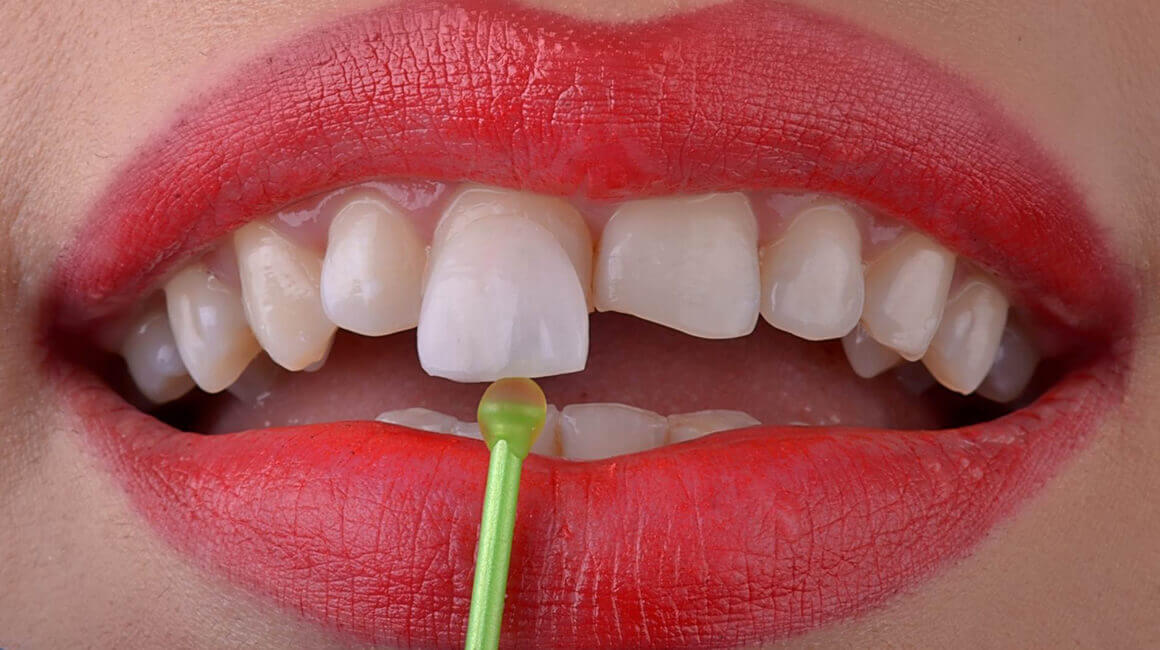
Veneers are ultra-thin shells typically 0.5 to 1 mm thick bonded directly to the front surface of a tooth. Because they only cover the visible front face, veneers require minimal removal of the natural tooth structure, making them one of the most conservative cosmetic dental solutions available.
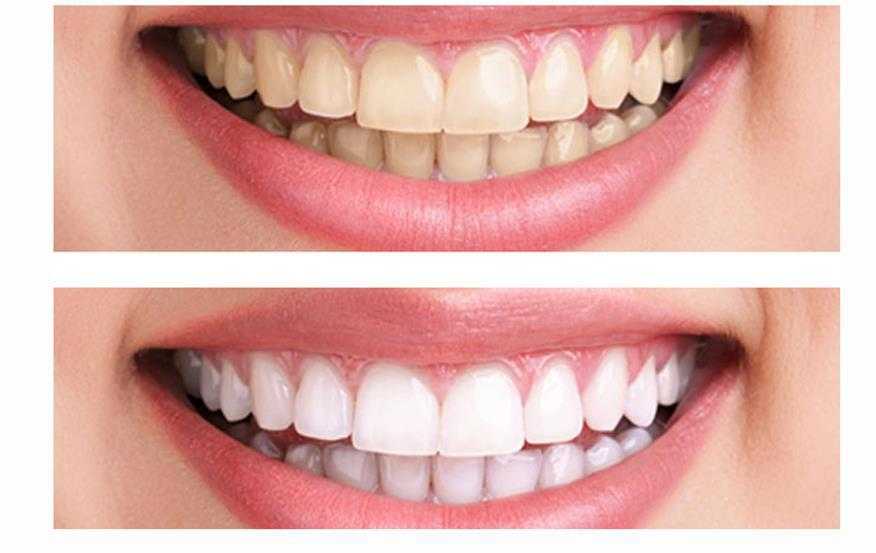
Who are veneers for? Veneers are ideal for patients with cosmetic concerns: discolored, chipped, slightly misaligned, or unevenly spaced teeth. They are not recommended for teeth with significant structural damage or decay.
Types of veneers:
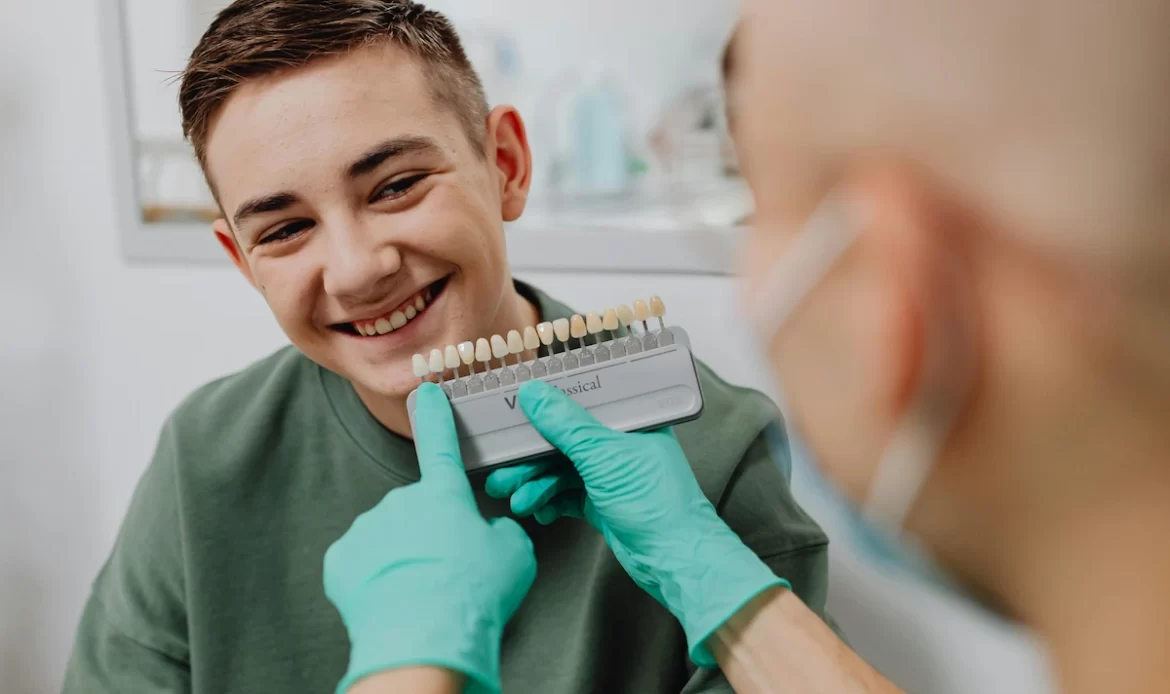
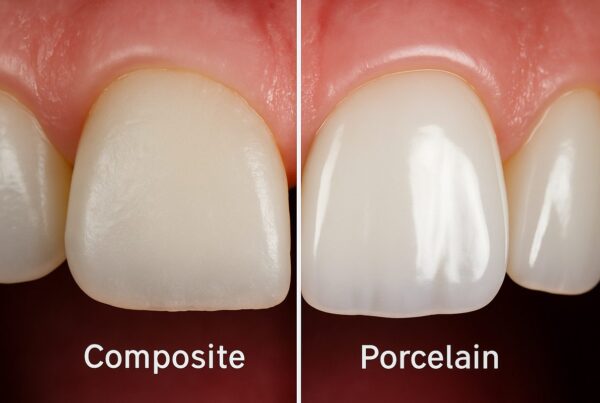
- Porcelain veneers — The gold standard in cosmetic dentistry. Porcelain veneers are highly stain-resistant, mimic the light-reflecting properties of natural enamel, and typically last 10–15 years with proper care. They require two dental visits and laboratory fabrication.
- Composite resin veneers — A more affordable alternative applied directly to the tooth in a single visit. While cost-effective, composite veneers are more prone to staining and generally last 5–7 years before replacement or touch-ups are needed.
- No-prep veneers (e.g., Lumineers) — An ultra-thin variant that requires little to no enamel removal. Best suited for mild cosmetic corrections.
Key benefit: Veneers deliver dramatic aesthetic improvements with minimal tooth reduction, preserving more of the natural tooth than a crown.
2. Crowns
A dental crown often called a “cap” is a full-coverage restoration that encases the entire visible portion of a tooth above the gum line. Unlike veneers, crowns address both functional and cosmetic needs, making them the go-to solution for structurally compromised teeth.
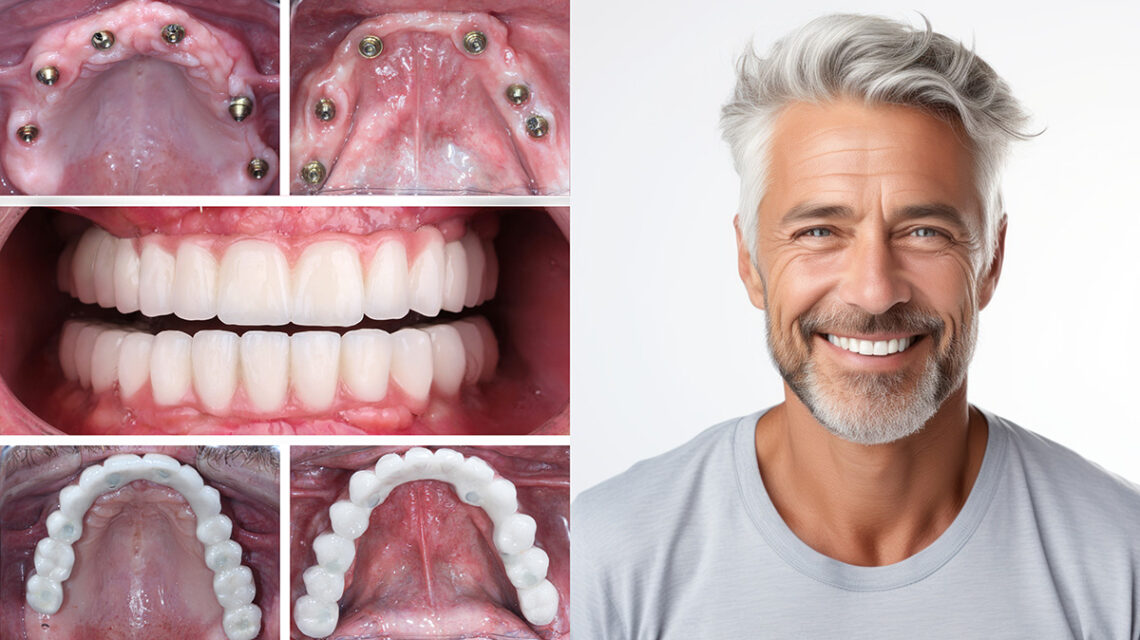
Who are crowns for? Crowns are recommended for teeth that are severely decayed, cracked, weakened after a root canal, or broken down to the point where a filling is no longer sufficient. They are also placed on top of dental implants to replace missing teeth.
Types of crowns:
- All-porcelain / all-ceramic crowns — Offer the most natural appearance and are biocompatible, making them a popular choice for front teeth. They are highly aesthetic but slightly less durable than metal-based options.
- Zirconia crowns — Exceptionally strong and increasingly preferred for both front and back teeth. Zirconia withstands heavy biting forces, making it an excellent option for molars. Modern monolithic zirconia also offers improved aesthetics.
- Porcelain-fused-to-metal (PFM) crowns — A hybrid option combining a metal substructure for strength and a porcelain outer layer for appearance. Durable and cost-effective, though the metal margin may become visible near the gum line over time.
- Gold / metal alloy crowns — Extremely durable and biocompatible, with minimal wear on opposing teeth. Most often placed on back molars where aesthetics are less of a priority.
Key benefit: Crowns fully restore the tooth’s shape, strength, and function no other restoration provides the same level of structural protection.
3. Clip-On Teeth Covers (Removable Veneers)
Clip-on teeth covers, also marketed as snap-on veneers or removable veneers, are custom or semi-custom dental appliances that fit over the existing teeth without any bonding, drilling, or permanent alteration. They represent the most accessible and non-invasive category of teeth covers.
Who are clip-on covers for? These are a non-clinical option for individuals seeking a temporary cosmetic improvement — such as for special occasions or those who are not candidates for permanent dental work due to budget constraints or medical reasons.
What to know:
- They do not treat underlying dental problems like decay or gum disease.
- Eating, speaking, and wearing comfort may be compromised compared to permanently bonded options.
- Quality varies widely: professional custom-fitted sets (fabricated from dental impressions) outperform generic mail-order kits in fit and durability.
- Lifespan is generally 1–5 years depending on material and care.
Key benefit: Zero alteration to natural teeth, no dental procedures required, and significantly lower upfront cost.
Cost of Teeth Covers: Full Breakdown
The cost of teeth covers varies based on material type, geographic location, dental practice, and whether dental insurance applies. The following figures represent estimated per-tooth costs in the United States:
| Type | Material | Estimated Cost (Per Tooth) |
|---|---|---|
| Veneer | Composite resin | $300 – $1,000 |
| Veneer | Porcelain | $900 – $2,500 |
| Veneer | No-prep (Lumineers) | $800 – $2,000 |
| Crown | Porcelain-fused-to-metal | $500 – $1,500 |
| Crown | All-porcelain / ceramic | $800 – $2,000 |
| Crown | Zirconia | $1,000 – $3,000 |
| Crown | Gold / metal alloy | $600 – $2,500 |
| Clip-On Cover | Acrylic / resin | $200 – $800 |
Does insurance cover teeth covers? Dental insurance typically covers a portion of crown costs when the procedure is deemed medically necessary — for example, after a root canal or to restore a fractured tooth. Veneers are almost universally classified as cosmetic procedures and are therefore not covered by standard dental insurance. Clip-on covers are entirely out-of-pocket. Patients are advised to confirm coverage with their provider before proceeding with treatment.
Ways to reduce costs:
- Dental schools often offer crown and veneer procedures at significantly reduced rates under supervised faculty.
- Dental discount plans (not insurance) can reduce fees by 10–60% at participating practices.
- Financing options through CareCredit or in-office payment plans are widely available.
Crowns vs. Veneers: Quick Comparison
| Feature | Veneer | Crown |
|---|---|---|
| Coverage | Front surface only | Entire tooth |
| Tooth reduction | Minimal (0.5–1 mm) | Significant (1–2 mm all sides) |
| Primary purpose | Cosmetic | Functional + cosmetic |
| Best for | Discoloration, chips, gaps | Decay, fractures, post-root canal |
| Average lifespan | 10–15 years | 10–20+ years |
| Insurance coverage | Rarely | Often (if medically necessary) |
Frequently Asked Questions About Teeth Covers
What is the most durable type of teeth cover?
Zirconia crowns are currently considered among the most durable teeth covers available, offering exceptional strength and resistance to chipping or fracture particularly for back teeth that endure heavy chewing forces.
Can teeth covers be placed on any tooth?
Not always. The underlying tooth must be healthy enough to support a cover. Teeth with active infection, severe gum disease, or insufficient structure may require preparatory treatment such as a root canal, gum therapy, or a dental post — before a crown or veneer can be placed.
How long do teeth covers last?
Porcelain and zirconia crowns typically last 15–20 years or longer with proper oral hygiene and regular dental check-ups. Porcelain veneers average 10–15 years. Composite veneers and clip-on covers have shorter lifespans of 5–7 years and 1–5 years respectively.
Do teeth covers require special care?
Daily brushing, flossing, and routine dental cleanings are sufficient for most permanent covers. Patients with crowns or veneers should avoid biting on hard objects (ice, pens), and those who grind their teeth at night may benefit from a custom night guard to protect the restoration.
Your Smile, Our Passion
Ready to Transform Your Smile?
Fill in our quick form and our team will contact you to confirm all details and answer your questions.
Book Your Free
Consultation Today
Our specialists will guide you through the best treatment options tailored for you.
Step 1 / 2
Step 2 / 2
← Back to Contact Info
Request Received!
Thank you! Our team will be in touch within 24 hours to confirm your consultation and answer any questions.
Trusted by Thousands
Find your perfect smile at Dr. Wonder Clinic