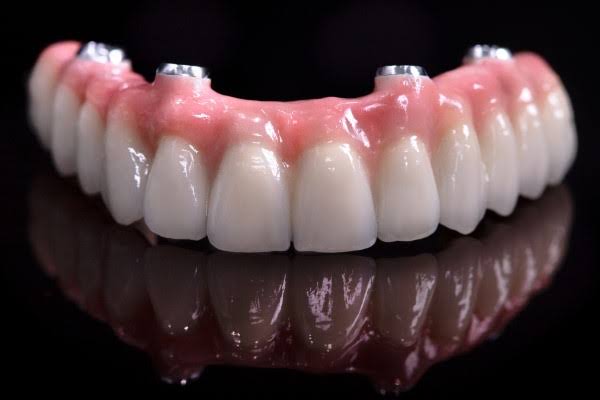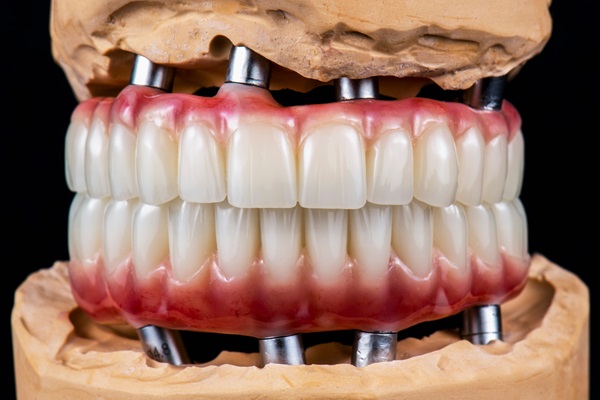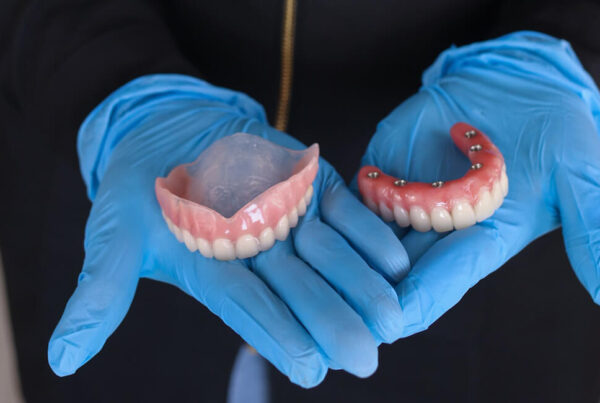





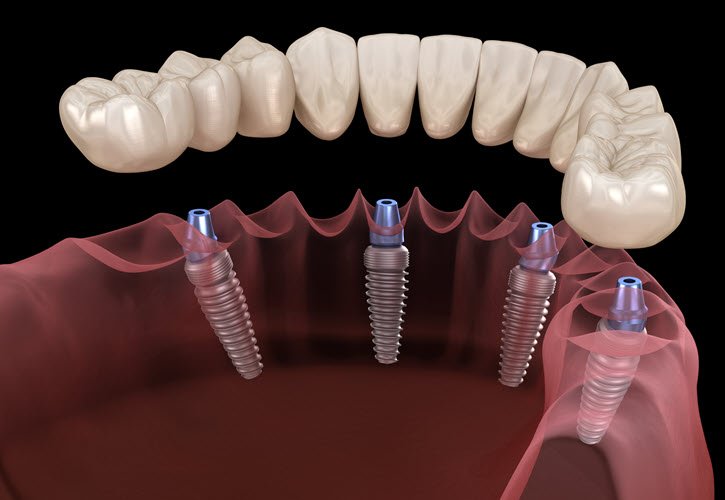
Implant-supported dentures are removable or fixed dental prosthetics that are anchored to dental implants surgically placed in the jawbone, offering greater stability, chewing efficiency, and comfort than traditional dentures. Unlike conventional dentures that rest directly on the gums, implant-supported dentures attach to a small number of implants, preventing the slipping, shifting, and bone loss commonly associated with removable prosthetics.
| Type | Attachment Method | Removable? | Number of Implants Needed | Best For |
|---|---|---|---|---|
| Bar-Retained Dentures | Metal bar attached to implants | Yes | 4–6 | Patients needing extra stability |
| Ball-Retained (Locator) Dentures | Ball-and-socket attachments | Yes | 2–4 | Patients seeking a simpler, cost-effective option |
| All-on-4 Dentures | Fixed to 4 strategically placed implants | No | 4 | Patients wanting a permanent, full-arch solution |
| All-on-6 Dentures | Fixed to 6 implants for added support | No | 6 | Patients with lower bone density needing extra anchorage |
| Screw-Retained Fixed Dentures | Screwed directly into implants | No | 4–8 | Patients prioritizing long-term durability |
Bar-Retained Implant Dentures
Bar-retained dentures rely on a thin metal bar that is custom-fitted along the curve of the jaw and secured to four to six dental implants. The denture itself clips onto this bar, creating a secure fit while still allowing the patient to remove the prosthesis for cleaning. This option is particularly popular among patients who have experienced significant bone resorption, since the bar distributes chewing forces evenly across multiple implants, reducing pressure on any single point.
Ball-Retained (Locator) Implant Dentures
Ball-retained dentures, sometimes called locator dentures, use individual ball-shaped attachments on each implant that snap into matching sockets inside the denture. This design typically requires fewer implants — often just two to four — making it a more budget-friendly option compared to bar-retained systems. While still removable, ball-retained dentures provide a noticeable improvement in retention and biting force compared to traditional dentures, and each attachment functions independently, which can simplify future repairs.
All-on-4 and All-on-6 Implant Dentures
For patients seeking a permanent, non-removable solution, All-on-4 and All-on-6 techniques represent some of the most advanced options in full-arch restoration. As the names suggest, these systems fix an entire arch of replacement teeth onto either four or six implants, strategically angled to maximize contact with available bone — even in patients with reduced bone density who might otherwise require bone grafting. Because the prosthesis is fixed in place, patients experience a bite and feel closer to that of natural teeth, with no need to remove the denture at night.
The choice between four and six implants generally depends on individual jawbone quality and the patient’s specific anatomical needs, which is why a thorough CT scan evaluation is essential before treatment planning.
Screw-Retained Fixed Implant Dentures
Screw-retained dentures are directly fastened to the implants using small screws, rather than clips or bars. This creates one of the most stable and durable implant-supported denture options available, as the prosthesis cannot be dislodged accidentally. Dentists can still remove the denture when necessary for maintenance or adjustments, but the patient cannot take it out at home. This type is often recommended for patients who want the closest possible experience to having fixed natural teeth.
How to Choose the Right Type of Implant-Supported Denture
Selecting the most suitable implant-supported denture depends on several factors, including:
- Bone density and jaw structure — patients with lower bone volume may benefit more from All-on-4 or All-on-6 systems designed to work with limited bone.
- Budget considerations — ball-retained systems tend to be more cost-effective, while fixed options involve a higher initial investment but often greater long-term satisfaction.
- Desired level of permanence — patients who prefer a removable prosthesis for easier cleaning may lean toward bar- or ball-retained systems, while those wanting a fixed, natural feel often choose screw-retained or All-on-4/6 solutions.
- Number of missing teeth — full-arch tooth loss is typically better addressed with All-on-4, All-on-6, or bar-retained systems, while partial tooth loss may only require a smaller number of implants.
A qualified implant dentist will evaluate these factors through clinical examination and 3D imaging to recommend the most appropriate treatment plan, ensuring long-term oral health, comfort, and function.
Final Thoughts
Understanding the different types of implant-supported dentures — from removable bar- and ball-retained options to fixed All-on-4, All-on-6, and screw-retained systems — helps patients make informed decisions about restoring their smile. Each type offers distinct advantages depending on bone health, budget, and lifestyle preferences, making a personalized consultation with an experienced implant specialist the essential first step toward choosing the right solution.