




By the Dr. Wonder Clinic dental team, Istanbul · Last updated: 25 October 2026 · 9 min read
In short
- Teeth turn yellow either from stains on the surface (food, drink, tobacco) or from changes inside the tooth (ageing, enamel wear, medication, fluoride or injury) (Watts & Addy, British Dental Journal, 2001).
- In a UK study of 3,215 adults, 28% of smokers reported moderate or severe discolouration, compared with 15% of non-smokers (Holt et al., BMC Public Health, 2005).
- Shop-bought whitening kits in the UK may contain only up to 0.1% hydrogen peroxide, which is too low to change tooth colour noticeably (Oral Health Foundation).
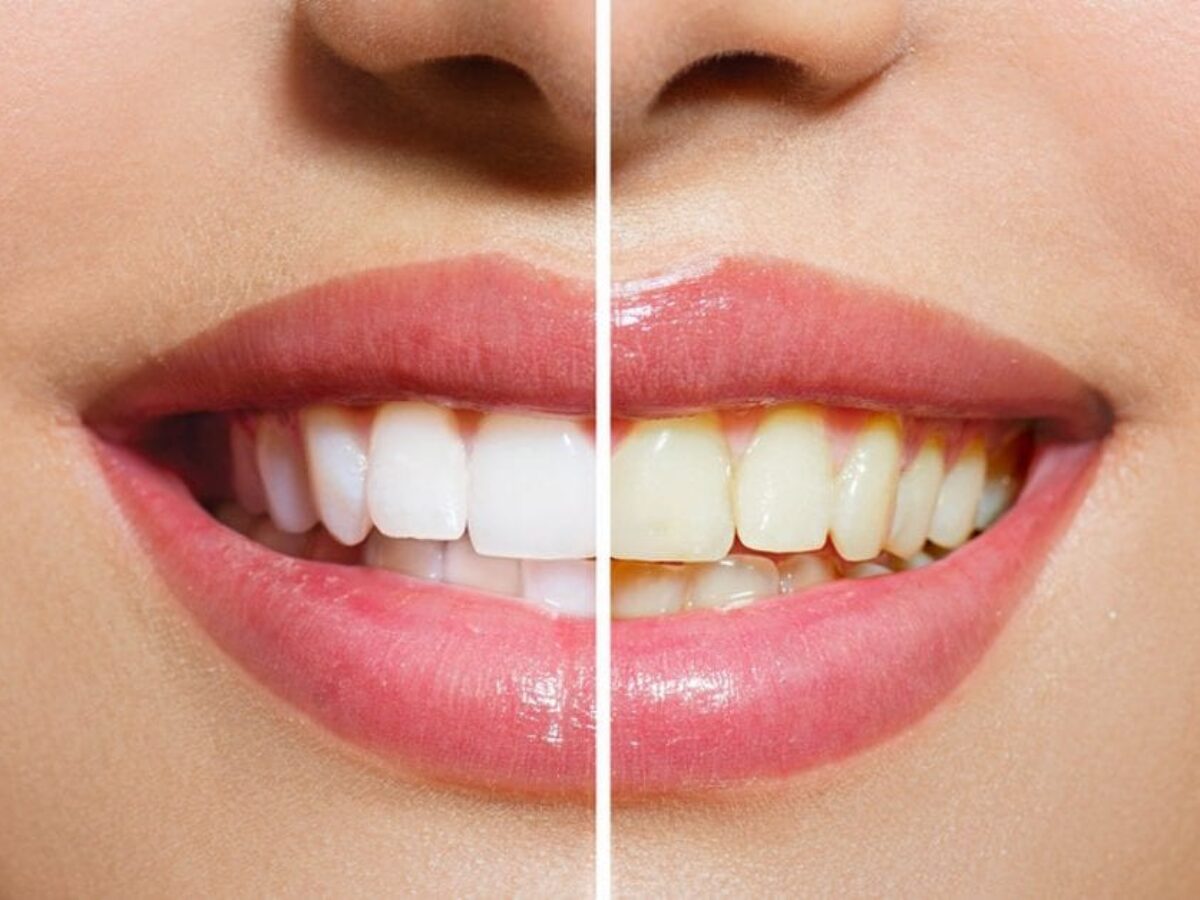
- Professional whitening fixes most yellowing; bonding or veneers are the options when whitening cannot reach the stain.
What Are the 7 Most Common Causes of Yellow Teeth?
Yellow teeth have seven common causes, and they fall into two groups: stains on the outside of the tooth and changes inside it. A review of four decades of research in the British Dental Journal classifies them this way (Watts & Addy, 2001).
Surface (extrinsic) causes
- Food and drink. Pigments from drinks such as tea, coffee and red wine bind to the tooth surface over time.
- Smoking and tobacco. Tobacco is one of the strongest stain sources; smokers in the UK report moderate or severe discolouration almost twice as often as non-smokers (Holt et al., 2005).
- Some mouthwashes. Certain antiseptic mouthrinses, such as chlorhexidine, can leave surface stains with long-term use.
Internal (intrinsic) causes
- Ageing. Teeth naturally darken with age as their structure changes.
- Enamel wear. When enamel thins through wear, the yellower dentine underneath shows through, and stains can also settle into worn or exposed areas.
- Medication and fluoride in childhood. Tetracycline antibiotics taken while teeth are forming, and too much fluoride (fluorosis), can discolour teeth from within.
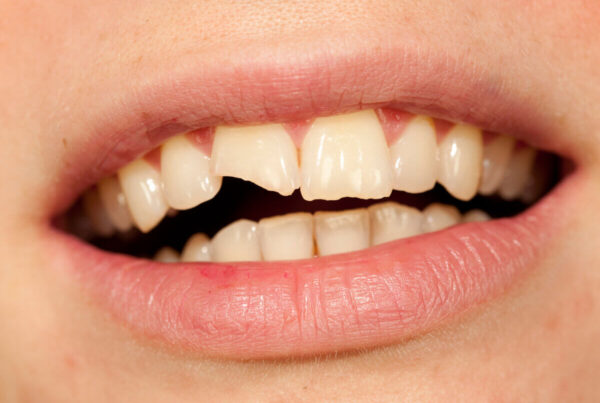
- Injury, decay or old fillings. A knock that damages the nerve, decay and some restorative materials can all change a tooth’s colour, often affecting a single tooth.
If only one tooth has changed colour, see a dentist: a single dark tooth often points to an injury or a problem with the nerve rather than staining.
Is It a Surface Stain or Deeper Discolouration?
The difference matters because surface stains respond to cleaning and whitening, while some internal discolouration does not. Extrinsic stain sits on the tooth surface or in the thin film that covers it; intrinsic discolouration comes from a change in the tooth’s structure (Watts & Addy, 2001).
| Clue | Surface (extrinsic) stain | Internal (intrinsic) discolouration |
|---|---|---|
| Typical cause | Tea, coffee, wine, tobacco, mouthwash | Ageing, enamel wear, tetracycline, fluorosis, injury |
| Where it shows | On the tooth surface or its coating film | Within the tooth structure; often one tooth if caused by injury |
| Colour | Yellow to brown | Yellow, grey, brown or white patches |
| First step | Professional cleaning, then whitening if needed | Dental examination to find the cause |
| Responds to whitening | Usually well | Varies; grey tetracycline stains are less predictable |
Grey discolouration from tetracycline or injury responds less predictably to whitening than yellowing, and veneers may be recommended for severe cases (teeth whitening in Turkey).
How Do You Fix Yellow Teeth?
Most yellow teeth can be fixed with professional cleaning and whitening; bonding or veneers are for stains whitening cannot reach or teeth that also need a change in shape. UK prices below are 2026 private-market estimates (Dentists Closeby, 2026); prices checked 25 October 2026.
| Option | Best for | UK private price | How long it lasts | Changes the tooth? |
|---|---|---|---|---|
| Professional cleaning | Surface stains | Part of a hygiene visit | Until stains return | No |
| Take-home whitening trays | Yellowing from diet, smoking, age | £175–475 | Fades over 1–3 years | No enamel removed |
| In-surgery whitening | Faster whitening of the same causes | £295–700 | Fades over 1–3 years | No enamel removed |
| Composite bonding | A few stained or uneven teeth | £200–450 per tooth | About 5–7 years | Little or no drilling |
| Porcelain veneers | Stains whitening cannot shift, plus shape changes | £700–1,400 per tooth | Up to 15 years | Enamel removed |
Professional whitening
Professional whitening uses hydrogen peroxide or carbamide peroxide gels to lighten the tooth from within. In the UK, products containing or releasing between 0.1% and 6% hydrogen peroxide can only be supplied through a dentist (Oral Health Foundation). Whitening can be done in the surgery, with take-home trays made from moulds of your teeth, or both.
Whitening is the practice of dentistry in the UK, so only General Dental Council-registered professionals can legally provide it, and it is a criminal offence for anyone else (Dentists Closeby, 2026). Temporary sensitivity is the most common side effect.
Bonding and veneers
When whitening cannot shift a stain, composite bonding covers the front of the tooth with tooth-coloured resin, and porcelain veneers replace the visible surface with a thin ceramic shell. Crowns, veneers, fillings and bonding do not change colour with whitening, so whitening is usually done first and restorations matched to the new shade (teeth whitening in Turkey). See composite bonding prices and cost of veneers in Turkey.
Do Whitening Strips, Toothpaste or Charcoal Work?
Most home whitening products sold in the UK cannot make a noticeable change to tooth colour, and charcoal has no good evidence behind it.
Shop-bought kits and strips. UK over-the-counter whitening products can legally contain only up to 0.1% hydrogen peroxide, a level the Oral Health Foundation describes as too low to have any noticeable effect on tooth colour (Oral Health Foundation). Stronger products sold online without a dentist are illegal in the UK and may damage the mouth.
Charcoal toothpaste. A review of 118 articles in the Journal of the American Dental Association found insufficient evidence that charcoal-based toothpastes whiten teeth or are safe, and charcoal is known to be abrasive to teeth and gums (Brooks et al., JADA, 2017).
Whitening toothpaste. Whitening toothpastes can help keep surface stains under control between dental cleanings, but they do not bleach the tooth itself.
What does help at home. Cutting back on tea, coffee, red wine and tobacco, brushing twice a day and rinsing with water after staining drinks slow new staining down.
How Much Does It Cost to Fix Yellow Teeth in the UK and Turkey?
Professional whitening costs £175–700 privately in the UK, depending on the method (Dentists Closeby, 2026). At Dr. Wonder Clinic in Istanbul, in-surgery whitening costs €150–400 and take-home tray kits €100–200. Whitening is cosmetic, so it is generally only available privately in the UK. Prices checked 25 October 2026.
| Treatment | UK private | Dr. Wonder Clinic, Istanbul |
|---|---|---|
| In-surgery whitening | £295–700 | €150–400 |
| Take-home whitening trays | £175–475 | €100–200 |
| Composite bonding, per tooth | £200–450 | $80–150 |
| Porcelain veneer, per tooth | £700–1,400 | $250–450 |
Clinic prices come from the clinic’s teeth whitening and composite bonding price guides and depend on an individual assessment.
Yellow Teeth in Numbers
| Finding | Figure | Source |
|---|---|---|
| UK adults surveyed on tooth colour | 3,215 | Holt et al., BMC Public Health, 2005 |
| Smokers reporting moderate or severe discolouration | 28% (vs 15% of non-smokers) | Holt et al., 2005 |
| Smokers dissatisfied with their tooth colour | 30% (vs 15% of non-smokers) | Holt et al., 2005 |
| Maximum hydrogen peroxide in UK shop-bought whitening products | 0.1% | Oral Health Foundation |
| Maximum hydrogen peroxide a UK dentist may use cosmetically | 6% | Oral Health Foundation |
| Articles reviewed on charcoal toothpaste | 118, insufficient evidence | Brooks et al., JADA, 2017 |
| How long professional whitening lasts | 1–3 years | Dentists Closeby, 2026 |
The linked sources for every figure appear in the sections above.
What Most Yellow Teeth Guides Don’t Tell You
Yellow teeth are often treated as a stain problem that a stronger product will solve. For many adults the cause is partly inside the tooth, which changes what is realistic.
Some yellowing is structural, not dirt. Ageing and enamel wear are internal causes of discolouration (Watts & Addy, 2001). Whitening can lighten these teeth, but it cannot rebuild thinned enamel, so very thin or worn teeth may never reach a bright white without bonding or veneers.
Stronger is not better, and often not legal. Above 0.1% hydrogen peroxide, whitening products in the UK can only be supplied through a dentist, and above 6% they cannot be used for cosmetic whitening at all (Oral Health Foundation). A cheap online kit promising dramatic results is either too weak to work or sold illegally.
Whiten before any veneers or bonding. Restorations keep their original colour, so whitening after veneers or bonding leaves the restored teeth darker than the rest. Plan the shade first, then match the restorations to it.
Quitting smoking is a whitening treatment. Smokers are about twice as likely to report moderate or severe discolouration (Holt et al., 2005); without stopping, any whitening result fades faster.
Yellow Teeth FAQ
Can yellow teeth become white again?
Yes, in most cases. Surface stains respond well to professional cleaning and whitening, while internal discolouration responds more variably and may need bonding or veneers (Watts & Addy, 2001).
Is it normal for teeth to be slightly yellow?
Yes. Natural teeth are not pure white, and teeth darken gradually with age (Watts & Addy, 2001). A slight yellow tone is not a sign of poor health on its own.
Is teeth whitening bad for your enamel?
Professional whitening removes no enamel (Dentists Closeby, 2026), and temporary sensitivity is the most common side effect (teeth whitening in Turkey). Abrasive home products such as charcoal toothpastes are a bigger concern for enamel (Brooks et al., 2017).
How long does teeth whitening last?
Professional whitening usually lasts 1–3 years before it needs topping up, and fades faster with coffee, tea, red wine and smoking (Dentists Closeby, 2026).
Can I whiten my teeth if I have veneers or crowns?
Whitening does not change the colour of crowns, veneers, fillings or bonding. Natural teeth will lighten while the restorations stay the same, so they may need replacing to match.
Next Step: Find Out Why Your Teeth Are Yellow
The best fix for yellow teeth depends on whether the colour sits on the surface or inside the tooth, which a dental examination can show in one visit. Surface stains usually need only cleaning and whitening; internal discolouration may need bonding or veneers as well.
Dr. Wonder Clinic offers a free consultation. Send a few smiling photos in daylight through the Get an Offer form or our contact page, and our team will reply within 24 hours.
About the author: This guide was written by the Dr. Wonder Clinic dental team in Istanbul, which provides in-surgery and take-home whitening, composite bonding and porcelain veneers. About Dr. Wonder Clinic