




Key Takeaways
- Healing speed and success aren’t the same for every patient factors like diabetes and smoking directly affect osseointegration timelines. See our guide on dental implants for diabetics and smokers if either applies to you.
- If your case involves a sinus lift or bone graft before implant placement, your overall timeline will look different from the standard path outlined above our sinus lift cost and recovery guide covers what to expect.
- Planning a full-arch restoration rather than a single tooth? Compare healing and structural differences in our All-on-4 vs. All-on-6 dental implants guide.
- The crown material placed at the end of your recovery porcelain or zirconia also affects long-term durability; see titanium vs. zirconia dental implants for the full comparison.
- Once you’re through recovery, it’s worth knowing what kind of lifespan to expect from your investment our guide on how long dental implants last covers long-term care and realistic expectations.
- If you’re still deciding between implants and other tooth replacement options before committing to this recovery process, see dental implant vs. bridge vs. denture for a side-by-side comparison.
- Traveling from abroad for treatment? Our broader guide on Turkey teeth safety and costs in 2026 covers trip planning beyond just the recovery window.
Getting a dental implant is one of the most reliable ways to restore a missing tooth, but the question almost every patient asks before surgery is the same: how long until I feel normal again? Understanding the dental implant recovery timeline in advance helps you plan your work schedule, your diet, and if you’re traveling for treatment your trip home.
This guide walks through the full dental implant healing time, week by week, from the first 24 hours to the moment your final crown is placed.
What Is the Dental Implant Recovery Timeline?
The dental implant recovery timeline happens in two overlapping phases:
- Soft tissue healing — your gums heal around the implant, usually within 1–2 weeks.
- Osseointegration — the biological process where your jawbone fuses to the titanium implant, which takes 3 to 6 months.
Most of the discomfort, swelling, and dietary restrictions patients experience happen in the first two weeks. After that, healing continues quietly beneath the surface while you go about your normal life.
| Recovery Stage | Typical Duration |
|---|---|
| Swelling & discomfort | 3–7 days |
| Gum healing | 1–2 weeks |
| Return to normal activities | 2–7 days |
| Osseointegration timeline | 3–6 months |
| Final crown placement | 3–6 months after surgery |
First 24 Hours After Implant Surgery
The first day is about protecting the surgical site and controlling the initial response to surgery. As local anesthesia wears off (typically within 2–4 hours), mild bleeding, numbness, and tenderness are normal. A blood clot forms over the implant site this clot is essential to healing, so avoid anything that could dislodge it.
What to do:
- Bite gently on gauze for 30–45 minutes to control bleeding
- Apply ice packs (20 minutes on, 20 minutes off)
- Take prescribed pain medication before numbness fully fades
- Stick to cool liquids and very soft foods
- Avoid straws — suction can disturb the clot and cause dry socket
Days 2–3: Peak Swelling After Dental Implant Surgery
Swelling after dental implant surgery typically peaks between 48 and 72 hours post-op. This is one of the most frequently searched concerns, and it’s completely normal — not a sign that something is wrong.
You may notice:
- Visible swelling or mild facial asymmetry
- Bruising along the jawline or cheek
- A dull, bruise-like ache rather than sharp pain
Continue icing, stay ahead of your pain medication schedule, and stick to a soft diet (soup, oatmeal, scrambled eggs, mashed potatoes).
Week 1: Dental Implant Aftercare & Soft Foods After Dental Implant
By days 4–7, swelling and discomfort begin to noticeably improve. This is the core window for proper dental implant aftercare:
- Begin gentle salt water rinses starting on day 2 (½ tsp salt in 8 oz warm water)
- Avoid brushing directly over the surgical site for the first 2–3 days
- Use a soft-bristled toothbrush everywhere else
- Continue a soft diet
Soft foods after dental implant surgery that work well during week one:
- Yogurt, smoothies (no straw), mashed potatoes
- Scrambled eggs, oatmeal, soup
- Soft pasta, well-cooked vegetables, flaky fish
Avoid nuts, chips, raw vegetables, popcorn, and anything crunchy or sticky.
Weeks 2–4: Early Healing and Follow-Up
Most patients feel significantly better by the end of week two. Swelling resolves, gum tissue shifts from red to a healthy pink, and stitches (if non-dissolving) are typically removed at a follow-up visit around days 7–10.
At this stage your dentist will:
- Check the surgical site for proper healing
- Take an X-ray to confirm implant position
- Remove sutures if needed
- Review your home care routine
You can begin expanding your diet gradually, though you should still avoid chewing directly on the implant site and steer clear of very hard or crunchy foods until full integration.
Weeks 5–12: The Osseointegration Timeline Explained
This is the quiet, most important phase of the dental implant healing stages and the one patients understand the least, because you feel almost nothing happening.
Osseointegration occurs in three biological stages:
- Initial stability (weeks 0–4): The implant is held by mechanical friction with the surrounding bone.
- Biological integration (weeks 4–12): Bone cells (osteoblasts) begin forming directly on the implant’s textured titanium surface.
- Mature integration (months 3–6): New bone matures and mineralizes, creating a permanent structural bond.
During this window, most patients report no pain, no swelling, and no dietary restrictions beyond common sense yet this is exactly when the implant is becoming a permanent part of your jawbone.
Signs osseointegration is progressing normally:
- No pain or tenderness
- No mobility in the implant
- No swelling, redness, or discharge
- Comfortable biting and chewing
Months 3–6: Final Restoration & Crown Placement
Once your dentist confirms full integration through clinical testing and X-rays you move into the restorative phase:
- Digital scan or impression of the implant site
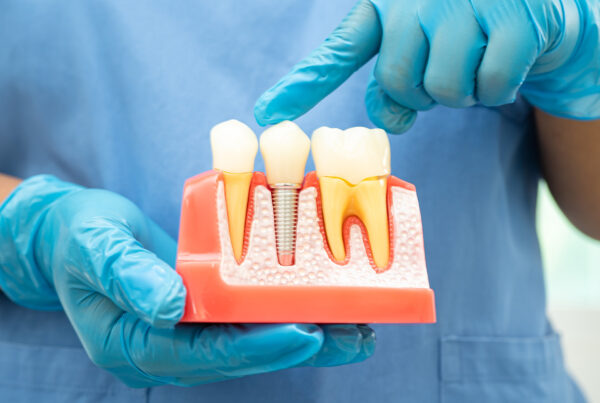
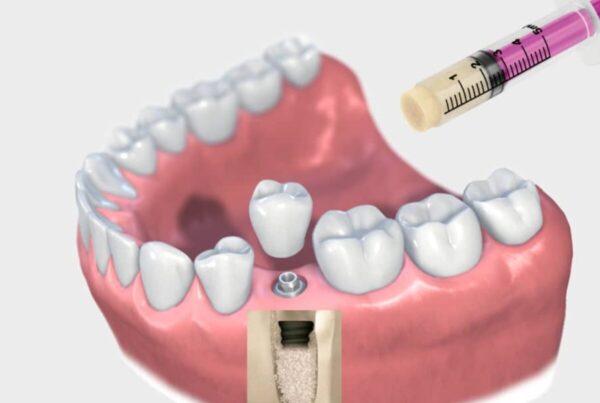
- Abutment placement (the connector between implant and crown)
- Crown fabrication at the dental lab (typically 2–3 weeks)
- Final crown delivery and bite adjustment
Your permanent crown is built from durable materials like porcelain or zirconia, designed to match your natural teeth and function like a real tooth for decades.
Full Mouth Dental Implant Healing Time (All-on-4 / All-on-6)
Full mouth dental implant healing time follows the same biological timeline as a single implant 3 to 6 months for osseointegration but the overall treatment plan is often longer because more patients need supporting procedures first:
| Additional Procedure | Added Healing Time |
|---|---|
| Tooth extraction | 1–2 weeks |
| Bone grafting recovery time | 3–6 months |
| Periodontal treatment | 1–2 weeks |
| Sinus lift healing time | 4–9 months |
Patients receiving All-on-4 or All-on-6 restorations may also experience slightly more swelling in the first few days simply due to the number of implant sites, though the underlying healing biology doesn’t change.
How Painful Is Dental Implant Recovery?
How painful is dental implant recovery is one of the most common concerns before surgery and the honest answer is: less than most people expect.
- Single implant: mild to moderate pain, usually 2–4 out of 10, peaking in the first 24–48 hours
- Multiple implants or full-arch procedures: moderate pain, 5–6 out of 10, in the first few days
- By week two, most patients report little to no discomfort at all
Pain is generally well controlled with ibuprofen, acetaminophen, or a short course of prescribed medication surgery beyond that is rarely necessary.
Dental Implant Recovery Tips
- Take medications exactly as prescribed don’t wait for pain to build
- Ice consistently during the first 48 hours
- Stick to a soft-food diet early on
- Stay well hydrated
- Avoid smoking and alcohol both slow healing significantly
- Never use straws in the first two weeks
- Sleep with your head slightly elevated
- Keep the area clean without disturbing it directly
- Use salt water or prescribed antimicrobial rinses
- Attend every follow-up appointment even when you feel fine
Traveling Home After Dental Implant Surgery (For International Patients)
If you’re combining treatment with travel, traveling home after dental implant surgery requires a bit of extra planning. Most single-implant patients can fly within 3–5 days of surgery, once initial swelling has started to subside, but this should always be confirmed with your dentist first.
A few practical notes for patients treated abroad:
- Cabin pressure changes can slightly increase swelling this is normal and temporary
- Pack any prescribed medication in your carry-on, along with a copy of your treatment notes
- Avoid long-haul flights within the first 48–72 hours if possible, when swelling is at its peak
- Plan your aftercare instructions for international patients around your return home most follow-up checks can be coordinated remotely with photos or video calls, with in-person exams scheduled for your next visit or with a local dentist
If your treatment plan includes bone grafting or a sinus lift, your clinic will usually recommend staying longer, or planning a second short visit closer to the final crown placement.
Signs of Normal Healing vs. Implant Problems
| Normal Healing | Possible Complication |
|---|---|
| Mild swelling for a few days | Swelling that worsens after day 3 |
| Light bruising | Pus discharge |
| Temporary tenderness | Severe, worsening pain |
| Minor bleeding in the first 24 hours | Persistent or heavy bleeding |
| Gradual daily improvement | Symptoms getting worse over time |
If you notice any of the warning signs in the right-hand column especially increasing pain, swelling after day 3, or a loose implant — contact your dentist promptly. Signs of dental implant failure caught early are almost always treatable.
Final Thoughts
The dental implant recovery timeline can feel like a lot to track, but the pattern is predictable: a demanding first week, a quiet middle stretch while your bone does the real work, and a final restorative phase that brings everything together. Most patients are back to their normal routine within days — and completely healed, with a permanent new tooth, within six months.
If you’re planning treatment and want a recovery plan tailored to your specific case — including guidance on travel timing if you’re coming from abroad — book a consultation to get a personalized timeline before you begin.
Getting a dental implant is one of the most reliable ways to restore a missing tooth, but the question almost every patient asks before surgery is the same: how long until I feel normal again? Understanding the dental implant recovery timeline in advance helps you plan your work schedule, your diet, and — if you’re traveling for treatment — your trip home.
This guide walks through the full dental implant healing time, week by week, from the first 24 hours to the moment your final crown is placed.
What Is the Dental Implant Recovery Timeline?
The dental implant recovery timeline happens in two overlapping phases:
- Soft tissue healing — your gums heal around the implant, usually within 1–2 weeks.
- Osseointegration — the biological process where your jawbone fuses to the titanium implant, which takes 3 to 6 months.
Most of the discomfort, swelling, and dietary restrictions patients experience happen in the first two weeks. After that, healing continues quietly beneath the surface while you go about your normal life.
| Recovery Stage | Typical Duration |
|---|---|
| Swelling & discomfort | 3–7 days |
| Gum healing | 1–2 weeks |
| Return to normal activities | 2–7 days |
| Osseointegration timeline | 3–6 months |
| Final crown placement | 3–6 months after surgery |
First 24 Hours After Implant Surgery
The first day is about protecting the surgical site and controlling the initial response to surgery. As local anesthesia wears off (typically within 2–4 hours), mild bleeding, numbness, and tenderness are normal. A blood clot forms over the implant site — this clot is essential to healing, so avoid anything that could dislodge it.
What to do:
- Bite gently on gauze for 30–45 minutes to control bleeding
- Apply ice packs (20 minutes on, 20 minutes off)
- Take prescribed pain medication before numbness fully fades
- Stick to cool liquids and very soft foods
- Avoid straws — suction can disturb the clot and cause dry socket
Days 2–3: Peak Swelling After Dental Implant Surgery
Swelling after dental implant surgery typically peaks between 48 and 72 hours post-op. This is one of the most frequently searched concerns, and it’s completely normal — not a sign that something is wrong.
You may notice:
- Visible swelling or mild facial asymmetry
- Bruising along the jawline or cheek
- A dull, bruise-like ache rather than sharp pain
Continue icing, stay ahead of your pain medication schedule, and stick to a soft diet (soup, oatmeal, scrambled eggs, mashed potatoes).
Week 1: Dental Implant Aftercare & Soft Foods After Dental Implant
By days 4–7, swelling and discomfort begin to noticeably improve. This is the core window for proper dental implant aftercare:
- Begin gentle salt water rinses starting on day 2 (½ tsp salt in 8 oz warm water)
- Avoid brushing directly over the surgical site for the first 2–3 days
- Use a soft-bristled toothbrush everywhere else
- Continue a soft diet
Soft foods after dental implant surgery that work well during week one:
- Yogurt, smoothies (no straw), mashed potatoes
- Scrambled eggs, oatmeal, soup
- Soft pasta, well-cooked vegetables, flaky fish
Avoid nuts, chips, raw vegetables, popcorn, and anything crunchy or sticky.
Weeks 2–4: Early Healing and Follow-Up
Most patients feel significantly better by the end of week two. Swelling resolves, gum tissue shifts from red to a healthy pink, and stitches (if non-dissolving) are typically removed at a follow-up visit around days 7–10.
At this stage your dentist will:
- Check the surgical site for proper healing
- Take an X-ray to confirm implant position
- Remove sutures if needed
- Review your home care routine
You can begin expanding your diet gradually, though you should still avoid chewing directly on the implant site and steer clear of very hard or crunchy foods until full integration.
Weeks 5–12: The Osseointegration Timeline Explained
This is the quiet, most important phase of the dental implant healing stages — and the one patients understand the least, because you feel almost nothing happening.
Osseointegration occurs in three biological stages:
- Initial stability (weeks 0–4): The implant is held by mechanical friction with the surrounding bone.
- Biological integration (weeks 4–12): Bone cells (osteoblasts) begin forming directly on the implant’s textured titanium surface.
- Mature integration (months 3–6): New bone matures and mineralizes, creating a permanent structural bond.
During this window, most patients report no pain, no swelling, and no dietary restrictions beyond common sense — yet this is exactly when the implant is becoming a permanent part of your jawbone.
Signs osseointegration is progressing normally:
- No pain or tenderness
- No mobility in the implant
- No swelling, redness, or discharge
- Comfortable biting and chewing
Months 3–6: Final Restoration & Crown Placement
Once your dentist confirms full integration — through clinical testing and X-rays — you move into the restorative phase:
- Digital scan or impression of the implant site
- Abutment placement (the connector between implant and crown)
- Crown fabrication at the dental lab (typically 2–3 weeks)
- Final crown delivery and bite adjustment
Your permanent crown is built from durable materials like porcelain or zirconia, designed to match your natural teeth and function like a real tooth for decades.
Full Mouth Dental Implant Healing Time (All-on-4 / All-on-6)
Full mouth dental implant healing time follows the same biological timeline as a single implant — 3 to 6 months for osseointegration — but the overall treatment plan is often longer because more patients need supporting procedures first:
| Additional Procedure | Added Healing Time |
|---|---|
| Tooth extraction | 1–2 weeks |
| Bone grafting recovery time | 3–6 months |
| Periodontal treatment | 1–2 weeks |
| Sinus lift healing time | 4–9 months |
Patients receiving All-on-4 or All-on-6 restorations may also experience slightly more swelling in the first few days simply due to the number of implant sites, though the underlying healing biology doesn’t change.
How Painful Is Dental Implant Recovery?
How painful is dental implant recovery is one of the most common concerns before surgery — and the honest answer is: less than most people expect.
- Single implant: mild to moderate pain, usually 2–4 out of 10, peaking in the first 24–48 hours
- Multiple implants or full-arch procedures: moderate pain, 5–6 out of 10, in the first few days
- By week two, most patients report little to no discomfort at all
Pain is generally well controlled with ibuprofen, acetaminophen, or a short course of prescribed medication — surgery beyond that is rarely necessary.
Dental Implant Recovery Tips
- Take medications exactly as prescribed — don’t wait for pain to build
- Ice consistently during the first 48 hours
- Stick to a soft-food diet early on
- Stay well hydrated
- Avoid smoking and alcohol — both slow healing significantly
- Never use straws in the first two weeks
- Sleep with your head slightly elevated
- Keep the area clean without disturbing it directly
- Use salt water or prescribed antimicrobial rinses
- Attend every follow-up appointment — even when you feel fine
Traveling Home After Dental Implant Surgery (For International Patients)
If you’re combining treatment with travel, traveling home after dental implant surgery requires a bit of extra planning. Most single-implant patients can fly within 3–5 days of surgery, once initial swelling has started to subside, but this should always be confirmed with your dentist first.
A few practical notes for patients treated abroad:
- Cabin pressure changes can slightly increase swelling — this is normal and temporary
- Pack any prescribed medication in your carry-on, along with a copy of your treatment notes
- Avoid long-haul flights within the first 48–72 hours if possible, when swelling is at its peak
- Plan your aftercare instructions for international patients around your return home — most follow-up checks can be coordinated remotely with photos or video calls, with in-person exams scheduled for your next visit or with a local dentist
If your treatment plan includes bone grafting or a sinus lift, your clinic will usually recommend staying longer, or planning a second short visit closer to the final crown placement.
Signs of Normal Healing vs. Implant Problems
| Normal Healing | Possible Complication |
|---|---|
| Mild swelling for a few days | Swelling that worsens after day 3 |
| Light bruising | Pus discharge |
| Temporary tenderness | Severe, worsening pain |
| Minor bleeding in the first 24 hours | Persistent or heavy bleeding |
| Gradual daily improvement | Symptoms getting worse over time |
If you notice any of the warning signs in the right-hand column — especially increasing pain, swelling after day 3, or a loose implant — contact your dentist promptly. Signs of dental implant failure caught early are almost always treatable.
Final Thoughts
The dental implant recovery timeline can feel like a lot to track, but the pattern is predictable: a demanding first week, a quiet middle stretch while your bone does the real work, and a final restorative phase that brings everything together. Most patients are back to their normal routine within days — and completely healed, with a permanent new tooth, within six months.
If you’re planning treatment and want a recovery plan tailored to your specific case — including guidance on travel timing if you’re coming from abroad — book a consultation to get a personalized timeline before you begin.