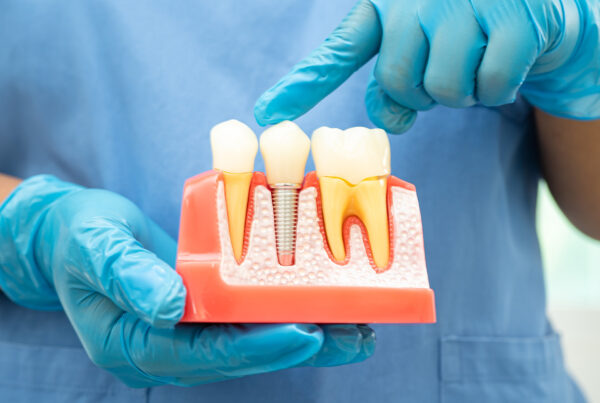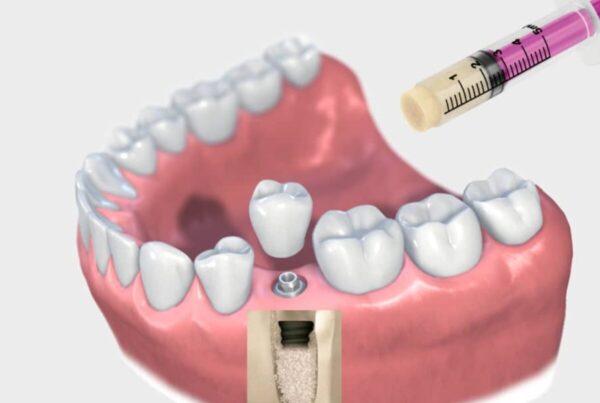





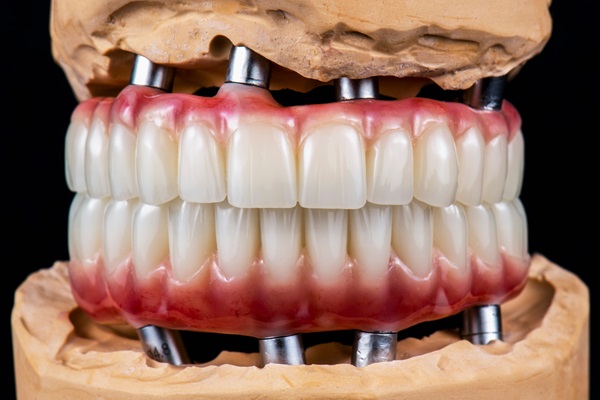
An implant-supported denture is a dental prosthesis that attaches to surgically placed dental implants rather than resting directly on the gums, providing a more secure fit, improved chewing function, and long-term jawbone preservation compared to traditional dentures. The complete process typically spans several months and involves surgical placement, healing time, and final prosthesis fitting, followed by a straightforward but essential aftercare routine.
| Stage | What Happens | Estimated Timeframe |
|---|---|---|
| Initial Consultation | Oral exam, 3D imaging, treatment planning | 1 visit |
| Implant Placement Surgery | Implants surgically inserted into the jawbone | 1–2 hours per arch |
| Osseointegration (Healing) | Implants fuse with the jawbone | 3–6 months |
| Abutment Placement | Connector pieces attached to implants | 1 visit |
| Denture Fitting | Custom prosthesis attached and adjusted | 1–2 visits |
| Follow-Up & Maintenance | Ongoing checkups and hygiene routine | Every 6 months |
The Implant-Supported Denture Procedure Step by Step
Step 1: Initial Consultation and Treatment Planning
The process begins with a thorough evaluation of oral health, including bone density assessment through 3D imaging or CT scans. This step determines whether the patient is a suitable candidate for implants or whether bone grafting is needed beforehand. The dentist also discusses which type of denture — removable or fixed — best matches the patient’s needs and budget.
Step 2: Implant Placement Surgery
During surgery, the dentist places titanium implants directly into the jawbone under local anesthesia or sedation. Depending on the treatment plan, this may involve as few as two implants for a removable overdenture or four to six implants for a fixed full-arch solution such as All-on-4 or All-on-6. The procedure is generally completed within one to two hours per arch.
Step 3: Osseointegration
Following surgery, the implants require a healing period during which they naturally fuse with the surrounding bone in a process called osseointegration. This typically takes three to six months and is essential for creating a stable, long-lasting foundation for the denture. Temporary dentures are often provided during this healing phase so patients aren’t left without teeth.
Step 4: Abutment and Denture Attachment
Once osseointegration is complete, small connector pieces called abutments are attached to the implants. The final custom-made denture is then fitted, either clipping onto ball or bar attachments for removable designs, or being permanently screwed in place for fixed solutions. The dentist verifies bite alignment, comfort, and appearance before finalizing the fit.
Step 5: Adjustments and Final Fitting
A short adjustment period follows, during which patients may need one or two follow-up visits to fine-tune the fit and ensure comfortable chewing function and natural speech.
Benefits of Implant-Supported Dentures
Implant-supported dentures offer a range of advantages over traditional removable dentures, making them an increasingly popular choice for patients with missing teeth.
- Improved Stability: Unlike conventional dentures that can shift or slip, implant-supported dentures stay securely in place, even while eating firmer foods.
- Preserved Jawbone Health: Implants stimulate the jawbone the same way natural tooth roots do, helping to prevent the bone resorption commonly seen with traditional dentures.
- Enhanced Chewing Efficiency: With a stable foundation, patients can bite and chew with significantly more force compared to standard dentures.
- Natural Appearance and Speech: A secure fit reduces slipping during conversation, resulting in clearer speech and a more natural smile.
- Long-Term Durability: With proper care, dental implants can last 15–25 years or longer, making them a durable long-term investment in oral health.
- Increased Comfort: Because the prosthesis doesn’t rely solely on the gums for support, patients often experience less irritation and discomfort.
Aftercare Tips for Implant-Supported Dentures
Proper aftercare is essential to ensure the longevity of both the implants and the prosthesis itself.
Daily Oral Hygiene
Patients should brush around the implant abutments and clean underneath removable dentures daily using a soft-bristled brush and non-abrasive toothpaste. For fixed dentures, a water flosser or interdental brush can help remove food particles and plaque from hard-to-reach areas.
Regular Dental Checkups
Routine visits every six months allow the dentist to monitor implant stability, check for signs of peri-implantitis (gum inflammation around implants), and professionally clean areas that are difficult to reach at home.
Avoiding Hard or Sticky Foods
While implant-supported dentures restore much of the chewing power of natural teeth, patients are generally advised to avoid excessively hard or sticky foods that could damage the prosthesis or place unnecessary strain on the implants.
Managing Bruxism
Patients who grind their teeth, a condition known as bruxism, may need a custom night guard to protect the denture and implants from excessive pressure during sleep.
Cleaning Removable Overdentures
For removable implant-supported dentures, nightly removal and soaking in a denture-cleaning solution helps prevent bacterial buildup and keeps both the prosthesis and the underlying gum tissue healthy.
Final Thoughts
The implant-supported denture procedure involves several carefully sequenced stages, from initial consultation and surgical placement to healing and final fitting. While the process requires patience, the benefits — including improved stability, jawbone preservation, and long-term durability — make it a worthwhile investment for many patients with missing teeth. Consistent aftercare, including proper hygiene and regular checkups, plays a key role in ensuring these results last for many years to come.