




Key takeaways
- Private dentures: £450–£800 per arch for acrylic partials, £500–£1,500 for full acrylic dentures, and £800–£3,000 for chrome dentures in the UK in 2026.
- NHS dentures: £332.10 in England from 1 April 2026 under the Band 3 charge, which covers the whole course of treatment, not just the dentures.
- Implant-retained dentures: £14,000–£18,000 per arch privately in the UK, and rarely available on the NHS.
- Lifespan: Acrylic dentures usually last 5–7 years; chrome dentures 10–15 years.
- Hidden costs: Relines every 2–3 years, repairs and eventual replacement add to the lifetime cost of any denture.
How much do private dentures cost in the UK in 2026?
Private dentures in the UK cost between £450 and £3,000 per arch in 2026, depending mainly on the material and whether you need a partial or a full denture. Implant-retained dentures sit in a different price bracket, at £14,000–£18,000 per arch.
Prices below are typical UK private ranges per arch, as published in the Dentists Closeby UK dentures price guide (2026), checked on 2 November 2026.
| Denture type | Partial denture (per arch) | Full denture (per arch) |
|---|---|---|
| Acrylic | £450–£800 | £500–£1,500 |
| Flexible (e.g. Valplast) | £550–£1,500 | £1,000–£1,500 |
| Chrome (cobalt chrome) | £800–£1,800 | £1,500–£3,000 |
| Immediate (fitted on extraction day) | £950–£1,500 | £950–£1,500 |
| Implant-retained | Not applicable | £14,000–£18,000 |
A complete upper and lower set of private dentures usually costs £1,000–£3,000 or more, depending on the material. London practices tend to charge towards the top of each range.
How much do NHS dentures cost?
NHS dentures cost £332.10 in England from 1 April 2026, because they fall under the NHS Band 3 charge. That one charge covers the whole course of treatment, including the examination, X-rays, any extractions, impressions, the dentures themselves and fitting adjustments (NHS: how much will I pay for NHS dental treatment?).
The Band 3 charge stays the same whether you need a partial denture or a full upper and lower set within the same course of treatment. NHS dentures are normally made from acrylic; chrome dentures are only provided on the NHS where there is a clinical reason.
Some people pay nothing at all. Free NHS dental treatment is available to under-18s, under-19s in full-time education, pregnant women, people who have had a baby in the last 12 months, and people on certain benefits or with an HC2 certificate. NHS charges in Scotland, Wales and Northern Ireland are set separately and can differ from England’s.
Private vs NHS dentures: what is the difference?
NHS dentures are functional acrylic dentures at a fixed price, while private dentures give you a choice of materials, more attention to appearance and usually faster appointments. The difference is mainly comfort, looks and lifespan, not whether the dentures work.
| Factor | NHS dentures | Private dentures |
|---|---|---|
| Cost (England, 2026) | £332.10 fixed (Band 3) | £450–£3,000 per arch |
| Materials | Acrylic as standard | Acrylic, chrome, flexible, premium teeth |
| Appearance | Functional focus | Choice of tooth shape, shade and arrangement |
| Waiting times | Can be several weeks | Usually shorter |
| Who decides the material | The dentist, on clinical grounds | The patient, with the dentist |
NHS dentures make sense if budget comes first or you qualify for free treatment. Private dentures are worth considering if you want a thinner, stronger chrome partial, a metal-free flexible denture or a more natural-looking smile.
What types of dentures are there?
The four main types of removable dentures are acrylic, chrome, flexible and immediate dentures, and each suits a different budget and situation. Implant-retained dentures are a fifth option that clips onto dental implants for extra stability.
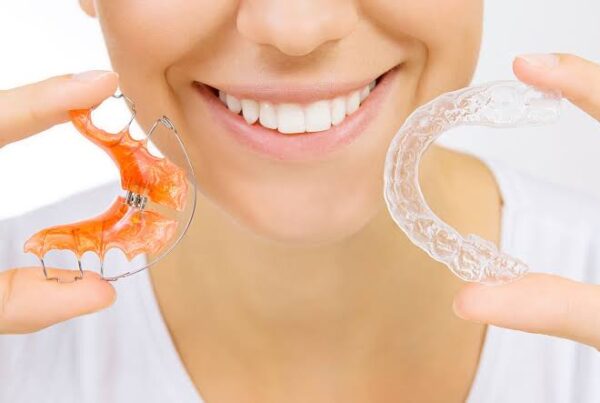
- Acrylic dentures: Hard plastic dentures that are the most affordable and easiest to adjust or repair. They are bulkier than other types and typically last 5–7 years.
- Chrome (cobalt chrome) dentures: A thin metal framework covered with acrylic gums and teeth. They are stronger, slimmer and more stable, and usually last 10–15 years, but small metal clasps may show.
- Flexible dentures (e.g. Valplast): Made from a soft, bendable plastic with gum-coloured clasps, so no metal shows. They are comfortable but are harder to repair and usually last 5–10 years.
- Immediate dentures: Fitted on the same day teeth are removed, so you are never without teeth. Because the gums shrink as they heal, they usually need relining or replacing within 6–12 months.
- Implant-retained dentures: Dentures that clip onto two or more implants, which stops them slipping. Read more in types of implant-supported dentures.
Dentures vs implant-supported dentures: which is better value?
Conventional dentures are far cheaper upfront, but implant-supported dentures are more stable, help preserve the jawbone and usually need fewer relines and replacements. For a full arch in the UK, the choice is roughly £500–£3,000 for a removable denture versus £14,000–£18,000 for an implant-retained one.
| Factor | Conventional denture | Implant-supported denture |
|---|---|---|
| UK private cost (full arch) | £500–£3,000 | £14,000–£18,000 |
| Stability | Can slip; may need adhesive | Clips or screws onto implants |
| Jawbone | Bone continues to shrink | Implants help preserve bone |
| Relines | Every 2–3 years | Less often |
| Removable | Yes | Removable or fixed, depending on design |
A common middle option is a lower denture that clips onto two implants, which costs much less than a fixed full-arch bridge but solves the most common complaint: a loose lower denture. Compare the options in implant vs bridge vs denture and implant-supported dentures explained.
Is it worth getting dentures in Turkey?
For conventional acrylic dentures, travelling to Turkey rarely saves enough to justify the trip, because NHS dentures cost £332.10 and private acrylic dentures start at around £500 per arch. Turkey makes most financial sense for implant-supported dentures, where UK prices of £14,000–£18,000 per arch leave room for a large saving.
Conventional dentures also need several fitting appointments and regular adjustments as the gums change. Those visits are easier to manage with a dentist close to home.
Implant-supported dentures are different. The treatment involves surgery, a custom prosthesis and a planned healing period, and the UK price gap is large. At Dr. Wonder Clinic in Istanbul, implant-supported prostheses are manufactured in-house, and every patient receives a personalised written quote after a 3D scan. See our implant-supported denture prices, All-on-4 cost guide and why in-house manufacturing matters.
What hidden costs come with dentures?
The price of the denture is only part of the lifetime cost: relines, repairs, cleaning products and eventual replacement all add up. Over 10 years, an acrylic denture typically needs at least one replacement and several relines.
UK private prices from the Dentists Closeby UK dentures price guide (2026).
| Cost | Typical UK private price | How often |
|---|---|---|
| Hard reline | £100–£300 | Every 2–3 years |
| Soft reline | £80–£150 | As needed |
| Simple repair | £80–£150 | When a denture cracks or loses a tooth |
| Major repair | £200–£350 | Occasionally |
| Cleaning products and adhesive | About £80–£160 a year | Ongoing |
| Replacement | Full cost of a new denture | Acrylic every 5–7 years; chrome every 10–15 years |
On the NHS in England, repairing an NHS denture is free, a reline is usually charged at Band 2 (£76.60), and replacing a lost or self-broken NHS denture costs £99.60 per appliance.
What most denture guides don’t tell you
The cheapest denture is not always the cheapest choice over ten years. In our experience treating full-arch patients in Istanbul, the biggest regret we hear is not the price of a denture, but years spent with a loose lower denture that an implant or two could have fixed.
The lower denture is usually the problem. Upper dentures are held by suction against the palate, so they often feel secure. Lower dentures have far less to grip, which is why most complaints about slipping and sore gums come from the lower jaw.
Bone loss changes the maths. Without tooth roots, the jawbone slowly shrinks, which is why dentures need relines and eventually stop fitting. The longer you wait, the more likely you are to need bone grafting before implants. See bone grafts for dental implants.
Two implants can be enough. A lower denture that clips onto two implants is one of the most cost-effective upgrades in dentistry, and it costs far less than a fixed full-arch bridge.
Count the full cost of ownership. When comparing quotes, add relines, repairs and replacements over ten years, not just the price on day one.
Frequently asked questions
How much is a full set of private dentures in the UK?
A full upper and lower set of private dentures usually costs £1,000–£3,000 or more in the UK in 2026, depending on the material. Acrylic sits at the lower end and chrome at the upper end.
Are private dentures better than NHS dentures?
Private dentures are not always better at doing the job, but they offer more choice of materials and a more natural appearance. NHS acrylic dentures are functional and suitable for many people.
What is the cheapest way to get dentures in the UK?
The cheapest way is NHS treatment at £332.10 in England, or free if you qualify through age, pregnancy, benefits or an HC2 certificate. Private acrylic dentures start at around £450–£500 per arch.
How long do dentures last?
Acrylic dentures typically last 5–7 years, flexible dentures 5–10 years and chrome dentures 10–15 years. Most need relining every 2–3 years as the gums change.
Can I get implant-supported dentures on the NHS?
Implant-supported dentures are only available on the NHS in exceptional cases, such as after cancer treatment or serious facial injury. Most people pay privately.
Which dentures should you choose?
Choose NHS or private acrylic dentures if budget comes first, chrome partial dentures if you want strength and a slimmer fit, and implant-supported dentures if a loose denture is affecting how you eat, speak or feel. Whatever you choose, compare the cost over ten years, not just the first bill.
If you are considering implant-supported dentures, send us your X-rays or photos. Our team will explain which option suits your bone and budget and give you a written quote through our free treatment offer page.