




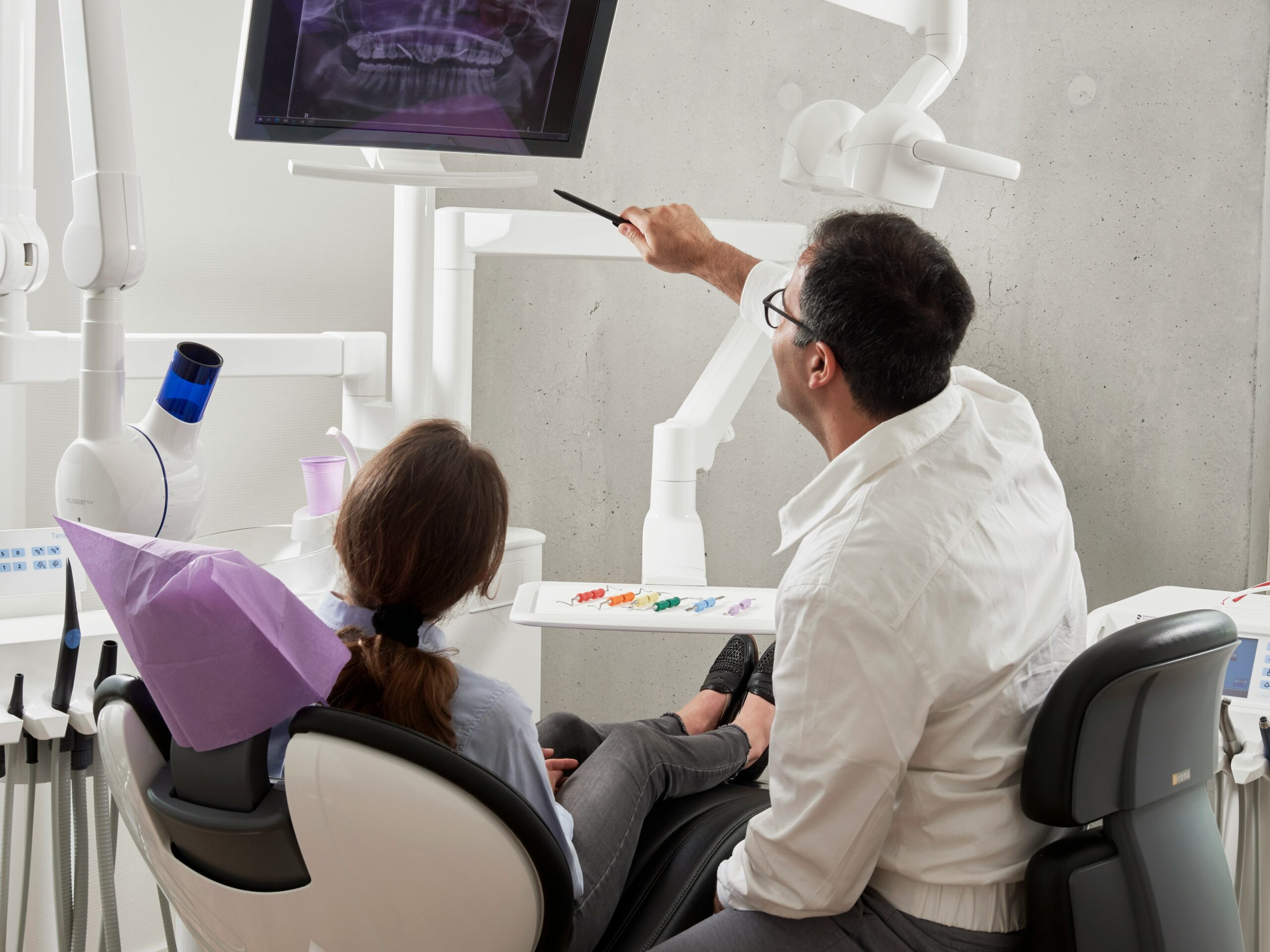
Zirconia crowns cover the entire tooth and are recommended for damaged, root-canal-treated, or heavily restored teeth. Porcelain veneers cover only the front surface and are designed for cosmetic improvement of healthy teeth. In Turkey, zirconia crowns cost £200–£400 per tooth versus £800–£1,500 in the UK. Porcelain veneers cost £150–£350 per tooth in Turkey versus £800–£1,500 in the UK. The right choice is determined by the structural condition of your tooth not by aesthetics alone.
Key Takeaways
- Zirconia crowns encase the entire tooth used when a tooth is structurally compromised
- Porcelain veneers bond to the front surface only used for cosmetic transformation of healthy teeth
- Choosing the wrong option causes long-term damage: veneers on weak teeth fail; crowns on healthy teeth remove unnecessary structure
- Both treatments are completed in 3–5 days at an accredited Istanbul clinic
- E.max porcelain veneers offer the most natural appearance; zirconia crowns offer the greatest strength
- Turkey offers 60–75% savings on both treatments compared to UK prices
- The decision should always be guided by clinical assessment and X-ray, not patient preference alone
What Is a Zirconia Crown?
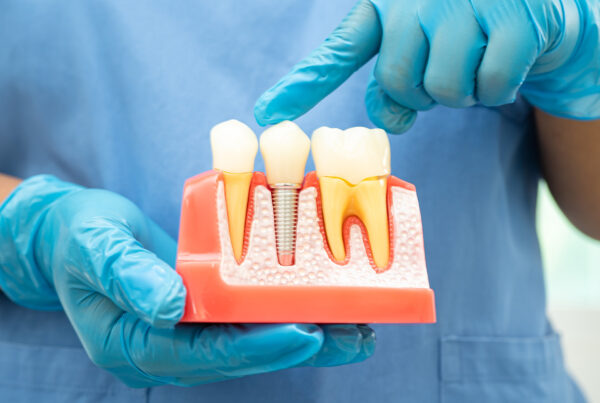
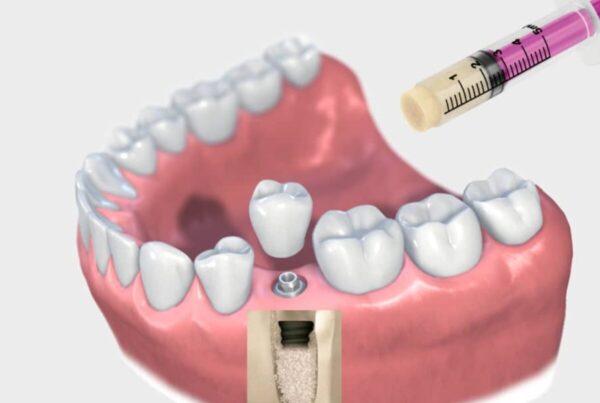
A zirconia crown is a full-coverage restoration that encases the entire visible portion of a tooth from the gum line upward. It is milled from zirconium dioxide, a high-strength ceramic material that combines the aesthetic qualities of tooth-coloured porcelain with strength approaching that of metal.
Zirconia became the dominant crown material in modern dentistry because it solved the key limitations of older options: metal crowns had grey margins visible at the gum line; porcelain-fused-to-metal (PFM) crowns chipped and showed metal over time; pure porcelain crowns were too fragile for back teeth.
Zirconia is strong enough for molars, tooth-coloured enough for front teeth, and biocompatible enough to avoid the sensitivity issues associated with metal.
When is a zirconia crown the right choice?
- Tooth has had a root canal treatment — the tooth is brittle and needs full protection
- Tooth has a large filling covering more than 50% of the tooth structure
- Tooth is cracked or fractured beyond what a veneer can cover
- Tooth is severely discoloured from the inside (tetracycline staining, trauma)
- Tooth is being used as an anchor for a dental bridge
- Tooth has been ground down significantly by bruxism
What Is a Porcelain Veneer?
A porcelain veneer is an ultra-thin ceramic shell typically 0.3–0.7mm thick that is bonded to the front surface of a tooth. It changes the colour, shape, length, and texture of the tooth without altering the internal structure.
The most advanced porcelain veneer material is E.max (lithium disilicate), which combines exceptional translucency with sufficient strength for front teeth. E.max veneers replicate the light-reflecting properties of natural enamel more accurately than any other material currently available.
When is a porcelain veneer the right choice?
- Tooth is structurally healthy but cosmetically imperfect
- Mild discolouration that whitening cannot fully correct
- Chips or minor cracks on the front surface
- Slight misalignment that doesn’t warrant orthodontic treatment
- Gaps between teeth (diastema)
- Uneven tooth length or worn incisal edges
- Patient wants a complete smile transformation (Hollywood Smile)
Zirconia Crown vs Porcelain Veneer: Full Comparison
| Feature | Zirconia Crown | Porcelain Veneer |
|---|---|---|
| Coverage | Entire tooth (360°) | Front surface only |
| Tooth preparation | Significant reduction (1.5–2mm) | Minimal reduction (0.3–0.7mm) |
| Reversibility | Not reversible | Minimally reversible |
| Strength | Extremely high | High (front teeth) |
| Appearance | Excellent — natural white | Outstanding — most natural |
| Translucency | Moderate | High |
| Lifespan | 20–25+ years | 15–20 years |
| Best for | Damaged / restored teeth | Healthy teeth, cosmetic goals |
| Cost in Turkey | £200–£400 per tooth | £150–£350 per tooth |
| Cost in UK | £800–£1,500 per tooth | £800–£1,500 per tooth |
| Treatment days (Turkey) | 3–5 days | 3–5 days |
| Sensitivity after | Moderate (temporary) | Mild (temporary) |
Cost Comparison: Turkey vs UK vs Europe
Zirconia Crown Cost by Country
| Country | Cost Per Zirconia Crown |
|---|---|
| Turkey (Istanbul) | £200–£400 |
| United Kingdom | £800–£1,500 |
| Germany | £700–£1,200 |
| Spain | £500–£900 |
| United States | £1,000–£2,000 |
| Hungary | £300–£600 |
Porcelain Veneer Cost by Country
| Country | Cost Per Veneer (E.max) |
|---|---|
| Turkey (Istanbul) | £150–£350 |
| United Kingdom | £800–£1,500 |
| Germany | £700–£1,200 |
| Spain | £500–£900 |
| United States | £900–£1,800 |
| Hungary | £250–£500 |
The savings are substantial on both. A patient needing 10 zirconia crowns saves £6,000–£11,000 by choosing Istanbul over London. A patient wanting 16 veneers saves £10,000–£18,000. These are life-changing figures not marginal differences.
For a complete treatment price list, visit our dental treatment cost and price list.
The Critical Difference: Tooth Preparation
This is the most important clinical distinction between the two treatments and the one most patients do not fully understand before choosing.
Crown Preparation
To fit a zirconia crown, your dentist removes 1.5–2mm of tooth structure from all sides of the tooth. The tooth is reduced to a small peg over which the crown is cemented. This is irreversible — once prepared for a crown, the tooth always needs a crown.
This level of preparation is clinically justified when the tooth is already compromised. A root-canal-treated tooth, for example, has lost significant structural integrity and needs the full protection a crown provides. The preparation is not damaging the tooth it is saving it.
However, preparing a healthy tooth for a crown purely for cosmetic reasons is considered overcorrection by most modern dental standards. It sacrifices healthy structure unnecessarily.
Veneer Preparation
Veneers require removing only 0.3–0.7mm of enamel from the front surface roughly the thickness of a contact lens. The tooth’s structural integrity is preserved. The procedure is minimally invasive and, in some cases with no-prep veneers, no reduction is needed at all.
For healthy teeth with cosmetic concerns, veneer preparation is the appropriate intervention. It achieves the aesthetic goal without sacrificing tooth structure.
The rule of thumb: If your tooth is healthy, protect it with a veneer. If your tooth is compromised, protect it with a crown.
For more on veneer options, read our guide on veneers without shaving teeth in Turkey.
Appearance: Which Looks More Natural?
Both zirconia crowns and E.max porcelain veneers look excellent in the hands of a skilled clinician. But there are meaningful aesthetic differences.
E.max porcelain veneers have a slight advantage in translucency. Natural teeth transmit light through the enamel layer, creating depth and warmth. E.max replicates this light behaviour more accurately than any other material. The result is a tooth that looks genuinely alive not uniformly opaque.
Zirconia crowns have improved dramatically in translucency over the last decade. Monolithic high-translucency zirconia the current generation is significantly more lifelike than earlier versions. For front teeth, high-translucency zirconia delivers an excellent aesthetic result. For back teeth, where chewing force matters more than appearance, full-strength zirconia is the clinical priority.
The honest answer: If you are a perfect candidate for either treatment, E.max veneers produce the most natural front-tooth appearance. But if your tooth requires a crown clinically, choosing a veneer for cosmetic reasons could lead to treatment failure which is far worse aesthetically and financially.
Can I Have Both? When Crown and Veneer Are Used Together
In comprehensive smile makeovers, crowns and veneers are frequently used on the same patient on different teeth.
A typical scenario:
- Teeth 1–4 (front teeth): Healthy — treated with E.max veneers
- Teeth 5–6 (premolars): Root-canal-treated — treated with zirconia crowns
- Teeth 7–8 (molars): Heavily filled — treated with full-strength zirconia crowns
This is precisely the kind of case where a comprehensive treatment plan rather than a blanket decision produces the best outcome. Your dentist assesses each tooth individually and selects the appropriate restoration.
This combined approach is common in Hollywood Smile transformations, where the goal is a uniform aesthetic across the full arch, regardless of each tooth’s underlying condition.
For more on complete smile transformations, read our Hollywood Smile Turkey guide.
Longevity: How Long Do They Last?
Zirconia Crown Lifespan
With proper care, zirconia crowns last 20–25 years and often significantly longer. Zirconia is one of the most durable dental materials available it resists chipping, fracture, and staining far better than older ceramic options. Clinical studies show 15-year survival rates above 95% for anterior zirconia crowns in non-bruxing patients.
Porcelain Veneer Lifespan
E.max porcelain veneers last 15–20 years under normal conditions. They are strong enough for front teeth but are not designed for the heavy chewing forces of posterior teeth. The primary causes of early veneer failure are:
- Bruxism without a protective night guard
- Biting hard objects (ice, fingernails, pens)
- Trauma to the face
- Poor bonding due to inadequate technique (clinic quality matters enormously)
Maintenance Requirements
Both restorations require the same basic maintenance:
- Brush twice daily with non-abrasive fluoride toothpaste
- Floss daily — particularly around crown margins and veneer edges
- 6-monthly dental check-ups with your local dentist
- Night guard if you grind your teeth — non-negotiable for both crowns and veneers
- Avoid using teeth as tools (opening bottles, tearing packaging)
Common Mistakes Patients Make When Choosing
Mistake 1: Choosing veneers on teeth that need crowns This is the most common and most costly error. Veneers placed on teeth with large fillings, cracks, or post-root-canal treatment will fail prematurely — often within a few years. The veneer cannot provide the structural support the tooth needs.
Mistake 2: Accepting crowns on healthy teeth to save time Some clinics recommend crowns on healthy teeth because it is technically easier and sometimes more profitable. If a dentist recommends crowning a healthy tooth with minimal existing restoration, ask why and seek a second opinion.
Mistake 3: Prioritising cost over material quality Budget zirconia and premium monolithic zirconia are not the same product. Budget options are more opaque, less natural-looking, and may have lower long-term survival rates. At Dr. Wonder Clinic, we use only certified-grade zirconia from verified manufacturers.
Mistake 4: Ignoring bruxism Teeth grinding significantly shortens the lifespan of both crowns and veneers. If you grind your teeth, this must be managed typically with a custom night guard — before or alongside cosmetic work.
The Treatment Process in Istanbul: Crown vs Veneer
Both treatments follow a similar 5-day pathway at Istanbul clinics:
Day 1: 3D scanning, X-rays, shade matching, treatment planning
Day 2: Tooth preparation under local anaesthesia + digital impressions + temporary restorations fitted
Day 3: In-house laboratory fabrication (CAD/CAM milling)
Day 4: Final fitting, bonding, bite check
Day 5: Review, minor adjustments, discharge with aftercare plan
The primary clinical difference is in Day 2: crown preparation is more extensive than veneer preparation and takes longer per tooth.
To understand how our clinic ensures safe, high-quality treatment, read our guide on how safe dental surgery is in Turkey.
How to Decide: A Practical Framework
Use this framework as a starting point. Always confirm with a clinical assessment and X-ray.
Your tooth likely needs a CROWN if:
- It has had root canal treatment
- It has a filling covering more than 50% of the tooth
- It is cracked or fractured structurally
- It is severely discoloured from the inside
- It is being used as a bridge anchor
Your tooth is likely suitable for a VENEER if:
- It is structurally healthy with minimal or no fillings
- The issue is cosmetic — colour, shape, minor chips, or gaps
- Your gums are healthy with no active disease
- You do not heavily grind your teeth (or are willing to wear a night guard)
You may need BOTH (on different teeth) if:
- You are pursuing a full smile makeover
- Some teeth are compromised and others are healthy
- Your dentist recommends a mixed-restoration treatment plan
For a comprehensive consultation and treatment plan tailored to your specific teeth, visit our how to choose a dental clinic in Turkey guide before booking.
Frequently Asked Questions
What is the difference between a zirconia crown and a porcelain veneer? A zirconia crown covers the entire tooth and is used for structurally compromised teeth. A porcelain veneer covers only the front surface and is used for cosmetic improvement of healthy teeth. The right choice depends on your tooth’s structural condition, not aesthetic preference.
How much does a zirconia crown cost in Turkey?
Zirconia crowns cost £200–£400 per tooth in Istanbul, compared to £800–£1,500 in the UK. See our zirconia crown cost Istanbul page for full details.
How much do porcelain veneers cost in Turkey?
E.max porcelain veneers cost £150–£350 per tooth in Turkey, versus £800–£1,500 in the UK. Visit our cost of veneers in Turkey page for a complete breakdown.
Which lasts longer a crown or a veneer?
Zirconia crowns typically last 20–25+ years. E.max porcelain veneers last 15–20 years. Both lifespans assume proper oral hygiene, no bruxism, and regular dental check-ups.
Can a veneer replace a crown?
Only if the tooth is structurally sound. A veneer cannot provide the structural support that a damaged, root-canal-treated, or heavily filled tooth requires. Placing a veneer on a tooth that needs a crown is a common cause of premature restoration failure.
Which looks more natural a crown or a veneer?
E.max porcelain veneers are the most natural-looking option for front teeth due to their superior translucency. High-translucency zirconia crowns also look excellent. The difference is subtle in skilled hands, but veneers have a slight aesthetic edge for visible front teeth.
Is it painful to get a crown or veneer in Turkey?
Both procedures are performed under local anaesthesia. Tooth preparation causes no pain during treatment. Mild sensitivity for 24–72 hours afterward is normal and managed with standard pain relief.
Can I get both crowns and veneers at the same time? Yes this is common in comprehensive smile makeovers. Different teeth receive different restorations based on their individual condition. Your dentist creates a unified treatment plan that delivers a consistent aesthetic across all teeth.
How do I know if I need a crown or veneer?
An X-ray and clinical examination are the only reliable way to determine this. Online photos and descriptions are not sufficient for a clinical decision. Book a consultation many Istanbul clinics offer free online assessments before you travel.
Do crowns and veneers stain over time?
Both zirconia and E.max porcelain are highly stain-resistant far more so than natural tooth enamel. They do not respond to whitening treatments, so shade selection at the time of fitting is permanent. Avoid heavy coffee, red wine, and tobacco to maintain brightness.
Conclusion
The zirconia crown vs porcelain veneer debate is not really a debate it is a clinical question with a clinical answer. The condition of your tooth determines the treatment, not your aesthetic preference.
Choose a veneer when your tooth is healthy and your goals are cosmetic. Choose a crown when your tooth is structurally compromised and needs full protection. Accept both when different teeth have different needs which is the reality for most patients pursuing a complete smile transformation.
Turkey and Istanbul specifically delivers both treatments at a fraction of UK cost, using the same internationally certified materials, at clinics with internationally comparable standards. The savings are real. The quality, at the right clinic, is real.
Not sure which treatment you need? Contact Dr. Wonder Clinic for a free online consultation. Send us your photos and any existing X-rays, and our team will give you an honest, clinical assessment within 24 hours with a clear recommendation and transparent pricing. No pressure. No guesswork.
Medical Disclaimer
This article is for informational purposes only and does not constitute medical advice. The appropriate treatment for each tooth depends on individual structural condition, oral health history, and clinical assessment. Always consult a qualified restorative dentist before making treatment decisions. Results and pricing vary based on individual circumstances and material selection.