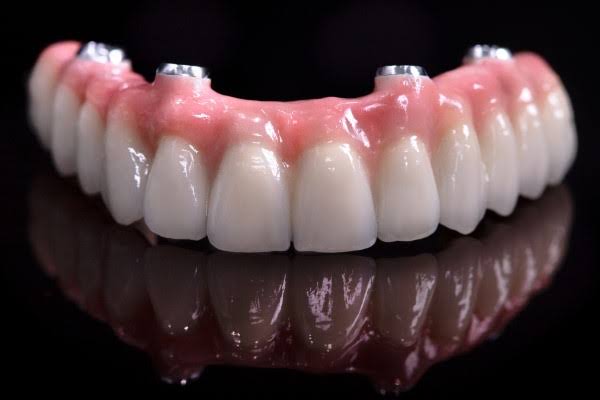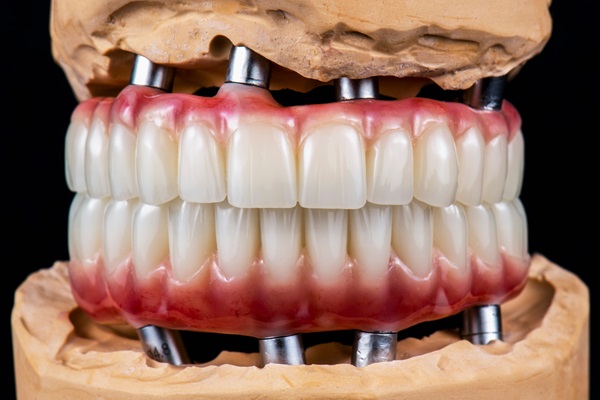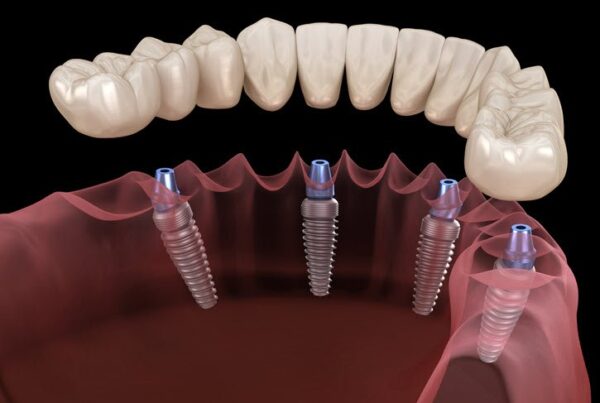





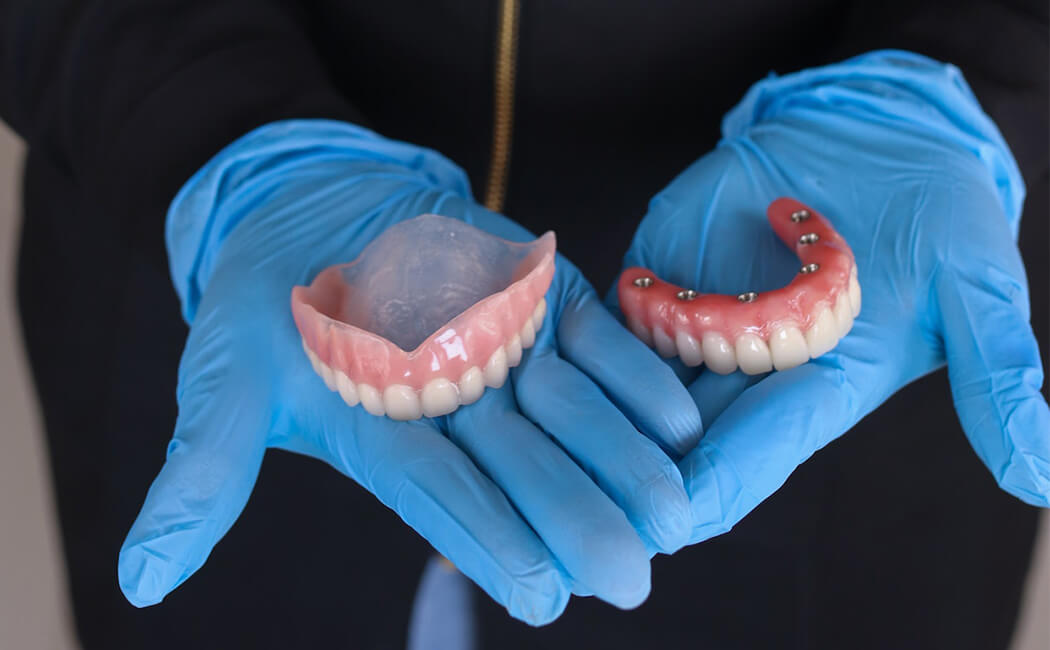
Implant-supported dentures should be manufactured in-house because it allows the treating clinic to maintain direct quality control over every stage of production, reduce turnaround time, and lower overall treatment costs by eliminating the need for outsourced dental laboratories. This approach also enables closer communication between the dentist and the technician crafting the prosthesis, resulting in a more precise, personalized fit for each patient.
| Factor | In-House Manufacturing | Outsourced Manufacturing |
|---|---|---|
| Quality Control | Direct, continuous oversight | Limited, relies on external lab standards |
| Turnaround Time | Faster (days) | Slower (weeks) |
| Communication | Direct dentist-technician collaboration | Indirect, often through intermediaries |
| Customization | Highly personalized adjustments | Standardized processes |
| Cost | Lower (no third-party markup) | Higher (lab fees, shipping, delays) |
| Error Correction | Immediate on-site fixes | Requires re-shipping, added delays |
What Does “In-House Manufacturing” Mean for Implant-Supported Dentures?
In-house manufacturing refers to a dental clinic producing its own prosthetic components — including the denture base, attachments, and framework — within its own facility, rather than sending digital scans or physical impressions to an external dental laboratory. This typically involves an in-clinic dental technician or prosthodontist working with CAD/CAM technology, 3D printers, and milling machines to design and fabricate the final prosthesis on-site.
Key Reasons In-House Manufacturing Improves Implant-Supported Dentures
1. Superior Quality Control
When a clinic manages prosthetic manufacturing in-house, every step of production — from digital design to final polishing — happens under direct clinical supervision. This minimizes the risk of miscommunication between the dentist and lab technician, a common source of errors in outsourced workflows. Any inconsistencies in fit, shade matching, or occlusion (bite alignment) can be caught and corrected immediately, rather than being discovered only after the denture arrives from an external facility.
2. Significantly Faster Turnaround Times
Traditional outsourced dental lab work can take one to several weeks, as impressions or digital scans must be shipped to a laboratory, processed, manufactured, and shipped back. With in-house prosthetic production, this entire cycle can often be completed within a matter of days, since there’s no external shipping, queuing, or communication delay involved. This is particularly valuable for patients seeking All-on-4 or All-on-6 fixed solutions, where minimizing time between implant placement and prosthesis delivery improves the overall treatment experience.
3. More Precise Customization
Because the technician and dentist work in the same facility, adjustments to fit, bite alignment, and aesthetics can be made in real time, often during the same appointment. This close collaboration allows for a highly personalized prosthesis that accounts for each patient’s unique jaw structure, gum contour, and functional needs — something that is much harder to achieve through back-and-forth communication with an external lab.
4. Reduced Overall Costs
Outsourcing prosthetic manufacturing typically involves lab fees, shipping costs, and markups added by third-party providers. By producing implant-supported dentures in-house, clinics can eliminate many of these additional expenses, often passing the savings on to patients in the form of more competitive pricing without compromising on quality.
5. Better Handling of Adjustments and Repairs
Even after the final fitting, implant-supported dentures sometimes require minor adjustments due to changes in gum tissue, wear over time, or patient feedback. Clinics with in-house manufacturing capabilities can perform these repairs or modifications immediately, without the delays and inconvenience of sending the prosthesis back to an outside lab.
6. Enhanced Use of Digital Dentistry and CAD/CAM Technology
Many clinics that invest in in-house manufacturing also adopt advanced digital dentistry tools, such as intraoral scanners, 3D printers, and CAD/CAM milling systems. These technologies allow for highly accurate digital impressions, reducing the discomfort of traditional impression materials while improving the overall precision of the final prosthetic design.
In-House vs. Outsourced Manufacturing: Which Is Better for Patients?
While outsourced dental laboratories can still produce high-quality prosthetics, the in-house manufacturing model offers clear advantages in terms of speed, cost, and personalized care. Patients undergoing implant-supported denture treatment benefit from:
- Faster access to their final prosthesis
- Fewer appointment delays caused by shipping or lab scheduling
- More opportunities for real-time adjustments
- Greater transparency throughout the treatment process
- Potentially lower overall costs due to reduced third-party involvement
Is In-House Manufacturing Right for Every Clinic?
Not every dental practice has the resources, space, or technical expertise required to establish in-house prosthetic manufacturing. It typically requires investment in digital dentistry equipment, ongoing technician training, and dedicated laboratory space within the clinic. However, for clinics that do make this investment, the long-term benefits — including improved patient satisfaction, workflow efficiency, and treatment outcomes — often outweigh the initial costs.
Final Thoughts
In-house manufacturing of implant-supported dentures offers meaningful advantages over traditional outsourced production, including tighter quality control, faster turnaround times, more precise customization, and reduced overall treatment costs. As more clinics adopt advanced digital dentistry technology, this approach is increasingly seen as a mark of quality care — allowing patients to receive a more efficient, personalized, and reliable implant-supported denture experience from consultation through final fitting.