




Key takeaways
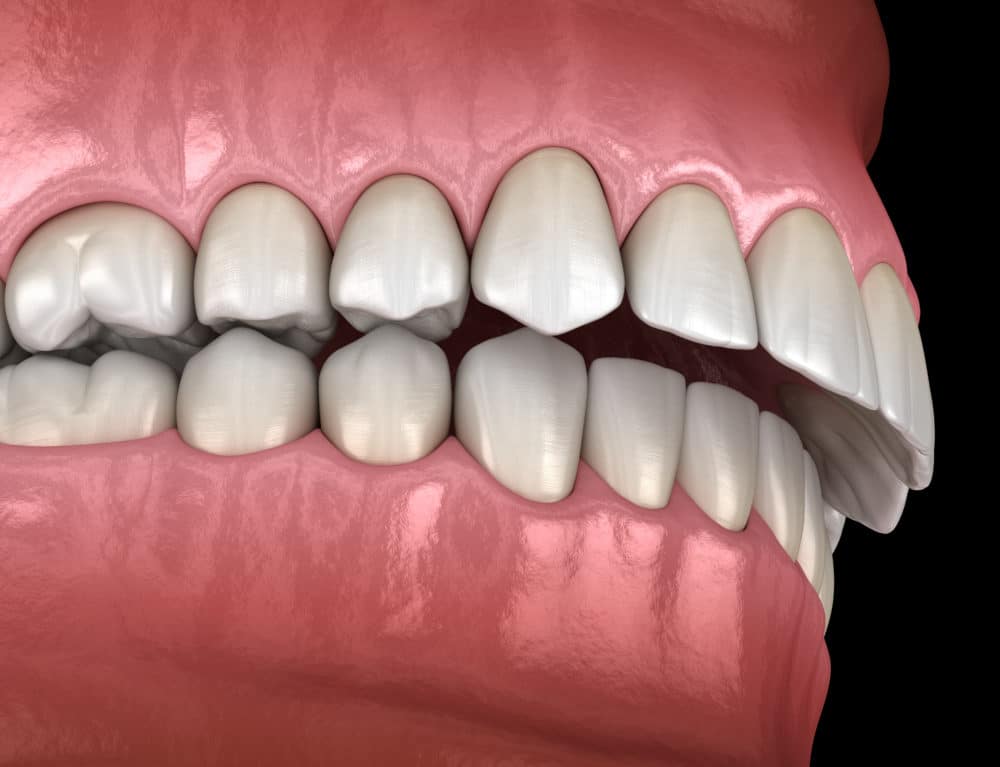
- What it is: An overbite is the vertical overlap of the upper front teeth over the lower front teeth. Orthodontists generally consider an overlap of 2–4 mm normal and healthy; more than 4 mm is an excessive overbite, or deep bite.
- Causes: Most overbites come from inherited jaw and tooth size, childhood habits such as thumb sucking, tongue thrusting or missing teeth.
- Correction: Mild to moderate overbites in adults are usually corrected with clear aligners or braces in 12–24 months. Severe skeletal overbites may need jaw surgery combined with orthodontics.
- Cost: Private braces or aligners in the UK average £2,500–£7,000. At Dr. Wonder Clinic in Istanbul, braces cost £800–£1,500 and Invisalign £1,000–£2,500 in 2026.
What is an overbite?
An overbite is the amount the upper front teeth overlap the lower front teeth vertically when you bite together. Strictly speaking, overbite is a measurement, not a disorder: as the Wikipedia entry on overbite explains, only a missing or excessive overlap counts as a malocclusion, and the word is often used loosely to mean protruding upper teeth. Orthodontists generally consider an overlap of about 2–4 mm normal, and more than 4 mm an excessive overbite or deep bite.
A quick way to picture it: with your back teeth together, look at your lower front teeth. If the upper teeth cover roughly a quarter to a third of them, the overbite is usually within the normal range. If the upper teeth hide most or all of the lower front teeth, the overbite is likely deep.
An overbite is a type of malocclusion, the dental term for a bite that does not fit together as it should. It is only a problem when it affects comfort, function, tooth wear or the way you feel about your smile.
What are the types of overbite?
Overbites are classified in two ways: by the direction of the problem (vertical or horizontal) and by its source (the teeth or the jaw). The type decides the treatment.
| Type | What it means | Usual treatment route |
|---|---|---|
| Deep bite (vertical overbite) | Upper front teeth cover too much of the lower front teeth | Aligners or braces |
| Overjet (horizontal overbite) | Upper front teeth stick out in front of the lower teeth, sometimes called “buck teeth” | Aligners or braces; jaw surgery if skeletal |
| Dental overbite | Caused by the position or angle of the teeth | Orthodontics alone |
| Skeletal overbite | Caused by the size or position of the jaws, often a small lower jaw | Orthodontics plus jaw surgery in adults |
Overbite and overjet are often confused. Overbite is the vertical overlap, while overjet is the horizontal gap. Many people have both at once, and an orthodontist measures each separately.
What causes an overbite?
Most overbites are caused by inherited jaw shape and tooth size, often made worse by childhood habits that push the front teeth forward. In adults, missing teeth and grinding can also deepen an existing overbite over time.
- Genetics: A lower jaw that is smaller or set further back than the upper jaw runs in families.
- Childhood habits: Prolonged thumb sucking, dummy use or nail biting can tip the upper front teeth forward.
- Tongue thrusting: Pushing the tongue against the front teeth when swallowing gradually moves them.
- Missing or small teeth: Gaps let neighbouring teeth drift and the bite collapse.
- Teeth grinding (bruxism): Wearing down the back teeth lets the front teeth overlap more.
- Crowding: Too little room in the lower jaw can push the lower front teeth backwards behind the upper ones.
Most overbites have more than one cause, so an orthodontist assesses both the teeth and the jaws before planning treatment.
What problems can an untreated overbite cause?
A mild overbite causes no problems, but a deep or severe overbite can wear down the front teeth, damage the gums and strain the jaw joints. Untreated deep bites also tend to get worse with age as the teeth wear.
- Tooth wear: The lower front teeth grind against the backs of the upper teeth, thinning and shortening them.
- Gum damage: In severe deep bites, the lower teeth can bite into the gum behind the upper teeth.
- Jaw pain and TMJ problems: An unbalanced bite can contribute to jaw ache, clicking and headaches. See our guide to TMJ treatment.
- Chewing and speech: Some people find biting into food awkward or develop a slight lisp.
- Appearance: A severe skeletal overbite can make the chin look set back and the lower face look short.
- Problems with cosmetic work: Veneers, crowns and bonding on the front teeth chip and break more often when the bite is deep.
How is an overbite corrected?
Most adult overbites are corrected by moving the teeth with clear aligners or fixed braces. Severe overbites caused by the jaw itself need orthodontics combined with corrective jaw surgery, while growing children can often be treated earlier with appliances that guide jaw growth.
Durations below are typical ranges; your orthodontist confirms yours after a 3D scan.
| Treatment | Best for | Typical duration |
|---|---|---|
| Clear aligners (e.g. Invisalign) | Mild to moderate dental overbites in teens and adults | 4–6 months (mild) to 12–24 months |
| Ceramic braces | Adults who want fixed, less visible braces | 12–24 months |
| Metal braces | Severe overbites, especially with crowding | 12–24 months or longer |
| Braces plus jaw surgery | Severe skeletal overbites in adults | Braces before and after surgery, often 2 years or more in total |
| Growth-guiding appliances | Children whose jaws are still growing | Varies with growth |
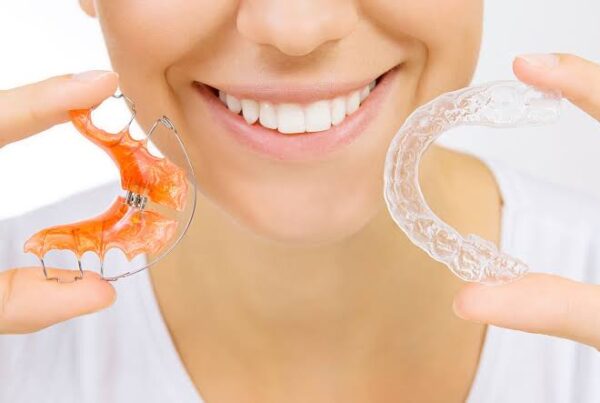
Clear aligners use a series of removable trays, often combined with small tooth-coloured attachments and elastics, to level the bite. They need to be worn about 22 hours a day.
Braces give the orthodontist more control over large tooth movements. Elastic bands between the upper and lower braces are commonly used to pull the bite into a better position.
Jaw surgery (orthognathic surgery) repositions the upper jaw, lower jaw or both when the problem is skeletal. It is planned together with braces. Read more about jaw surgery in Turkey and which country is best for double jaw surgery.
After any overbite correction, a retainer is needed to stop the teeth moving back.
Can veneers or bonding fix an overbite?
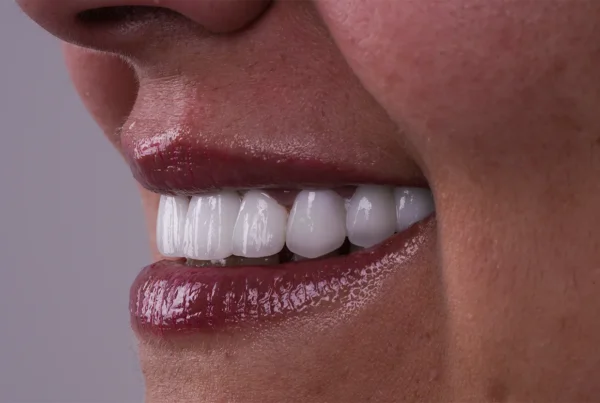
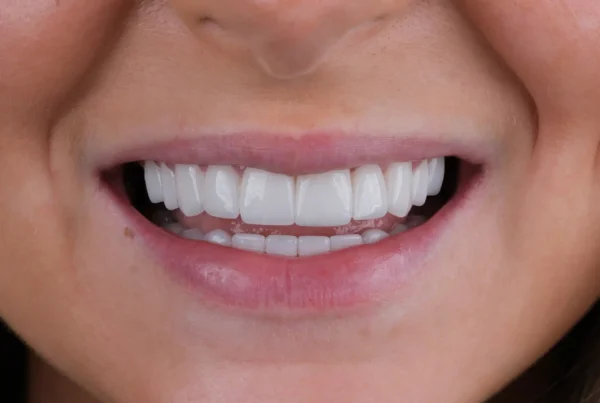
Veneers and composite bonding cannot fix an overbite, because they change the shape of the teeth, not the position of the teeth or jaws. In very mild cases they can disguise how an overbite looks, but they do not change how the teeth meet.
Placing veneers or bonding on top of a deep bite can also backfire. The lower teeth keep striking the backs of the upper front teeth, which makes chipped bonding and broken veneers far more likely.
The safer sequence for most patients is to correct the bite first with aligners or braces, then refine the shape and colour of the teeth with veneers, composite bonding or no-prep veneers. Our Invisalign vs veneers cost comparison explains when each makes sense.
How much does overbite correction cost in the UK and Turkey?
Private overbite correction in the UK typically costs £2,500–£7,000 with braces or aligners, and jaw surgery cases cost considerably more. The same orthodontic treatment at Dr. Wonder Clinic in Istanbul costs £800–£2,500 in 2026.
Prices checked on 1 November 2026. UK figures are average private prices; Turkey figures are Dr. Wonder Clinic’s published 2026 prices. Both come from our orthodontics and Invisalign price guide.
| Treatment | UK average (private) | Dr. Wonder Clinic, Istanbul (2026) |
|---|---|---|
| Metal braces | £2,500–£4,500 | £800–£1,200 |
| Ceramic braces | £3,000–£5,000 | £1,000–£1,500 |
| Invisalign Lite (mild cases) | £2,500–£3,500 | £1,000–£1,400 |
| Invisalign Full (comprehensive) | £4,000–£7,000 | £1,500–£2,500 |
| Retainers after treatment | £200–£400 | £80–£150 |
Your exact price depends on how deep the overbite is and which system suits it, and you receive a written quote after your scan.
Can you get overbite treatment on the NHS?
NHS orthodontic treatment for an overbite is generally limited to under-18s with a significant clinical need, assessed using the Index of Orthodontic Treatment Need (IOTN). Adults usually pay privately unless the bite causes a serious health problem.
How many trips to Turkey does overbite treatment need?
Aligner treatment is usually started in Istanbul with a scan and fitting, then monitored remotely, with two to three in-person visits typical over the course of treatment. Braces need more frequent adjustments, which makes aligners the more practical choice for most international patients. See our guide on how many days dental treatment in Turkey takes.
Overbite before and after: what results can you expect?
After successful overbite correction, the upper front teeth overlap the lower ones by a normal 2–4 mm, the bite feels more even and the lower front teeth become visible when you smile. In skeletal cases treated with surgery, the chin and lower face also look more balanced in profile.
The changes usually appear in stages:
- First 3–6 months: Teeth start to level; the lower front teeth begin to show more.
- Middle of treatment: Elastics or attachments correct the vertical overlap; the bite may feel unfamiliar for a while.
- End of active treatment: The overlap reaches the planned depth and the back teeth meet evenly.
- Retention: Wearing a retainer, at first full time and then at night, keeps the result stable.
When you look at before and after photos, check that they show the bite from the side and the front, with the back teeth together. Smiling photos alone can hide whether the overbite itself has changed.
What most overbite guides don’t tell you
The most expensive overbite mistake we see is not choosing the wrong brace, but skipping the bite altogether and going straight to cosmetic work. In our experience treating international patients in Istanbul, patients who correct the bite first get cosmetic results that last longer and often need fewer veneers.
A deep bite is a hidden risk for veneers and crowns. Patients often ask for a Hollywood smile to hide protruding teeth. If the bite is deep, the new teeth take the same heavy load the natural teeth did, and chips and fractures follow. Sorting the bite first protects the investment.
Fixing the bite can reduce the cosmetic work you need. Once the teeth are aligned, many patients find that whitening and a few bonded edges give the look they wanted, instead of a full set of veneers.
“Overbite” online usually means overjet. Most people searching for overbite photos are actually worried about upper teeth that stick out forward. The two need different movements, so ask your orthodontist to measure both before choosing a treatment.
Retention is part of the treatment, not an extra. Deep bites are among the corrections most likely to relapse. Budget for retainers and plan to wear them at night long term.
Frequently asked questions
Is it normal to have an overbite?
Yes, a small overbite of about 2–4 mm is normal and helps the front teeth bite and guide the jaw. Only an overbite that is much deeper than this, or completely absent, is considered a problem.
Can an overbite be fixed without braces?
Mild to moderate overbites can often be corrected with clear aligners instead of fixed braces. Severe skeletal overbites in adults usually need braces combined with jaw surgery, and no home method such as mewing can move the teeth or jaws.
Can adults fix an overbite?
Yes, there is no upper age limit for overbite correction as long as the teeth and gums are healthy. Adults usually need slightly longer treatment than teenagers because their jaws have stopped growing.
Does an overbite get worse with age?
A deep overbite can get worse over time as the front teeth wear and the back teeth are lost or move. Correcting it earlier usually means simpler treatment.
How long does it take to fix an overbite with Invisalign?
Mild overbites can be corrected with Invisalign in about 4–6 months, while moderate cases usually take 12–24 months. A retainer is needed afterwards to keep the result.
Should you get your overbite corrected?
A normal 2–4 mm overbite needs no treatment, but a deep or worsening overbite is worth correcting before it wears the teeth, strains the jaw or undermines future cosmetic work. For most adults, clear aligners or braces fix the problem in 12–24 months, and only severe skeletal cases need surgery.
If you are unsure how deep your overbite is, send us photos of your bite from the front and side with your back teeth together. Our team will tell you which treatment fits and give you a written quote through our free treatment offer page.