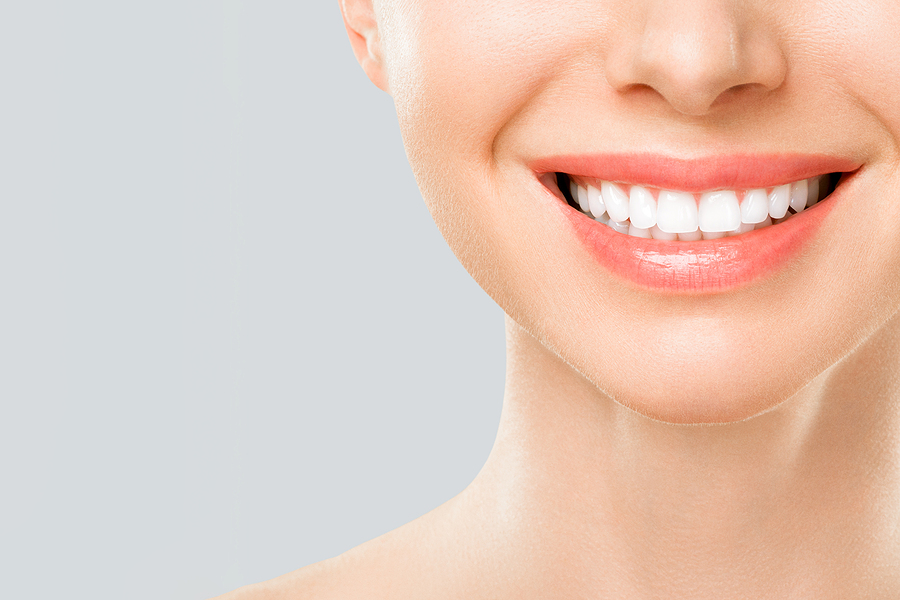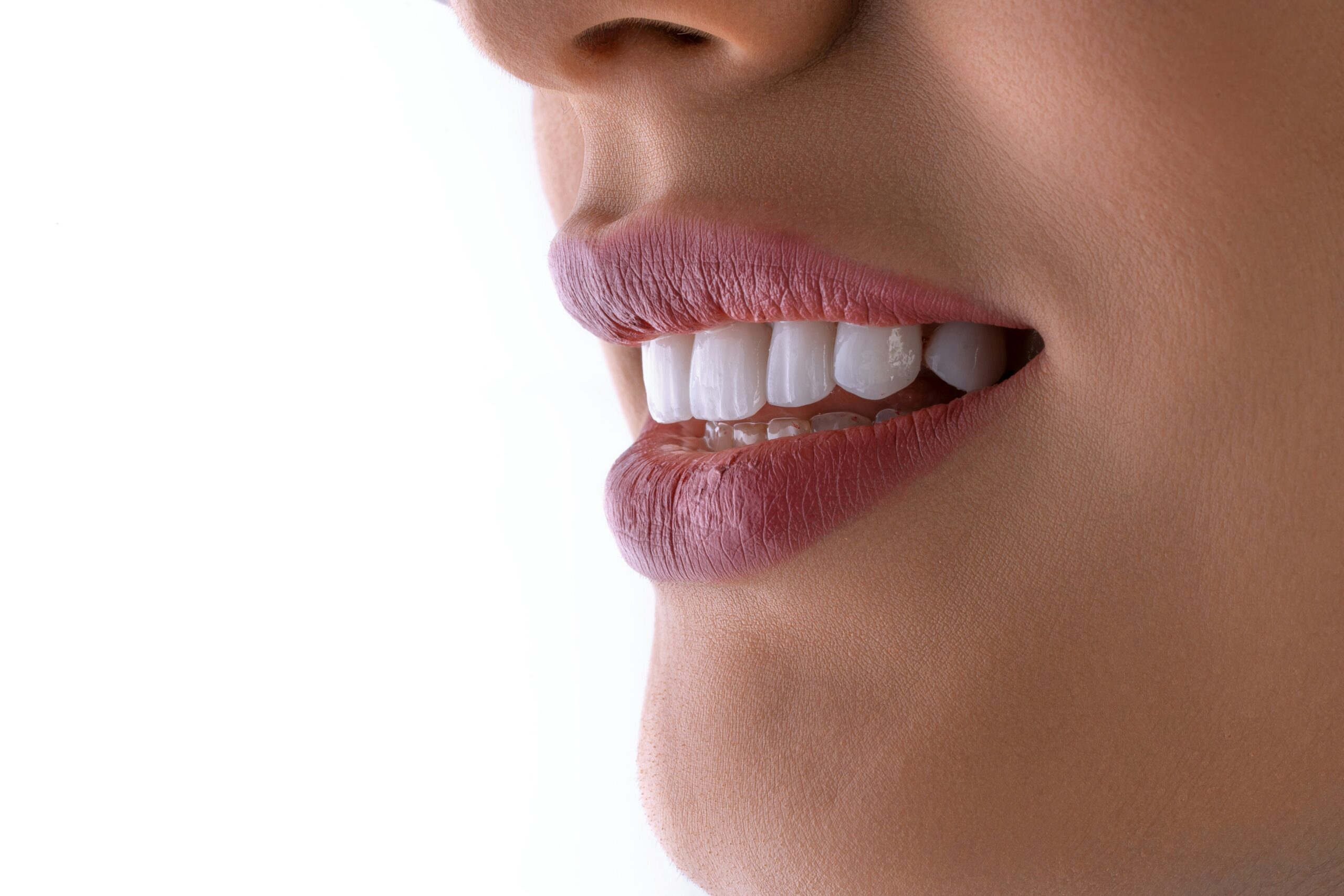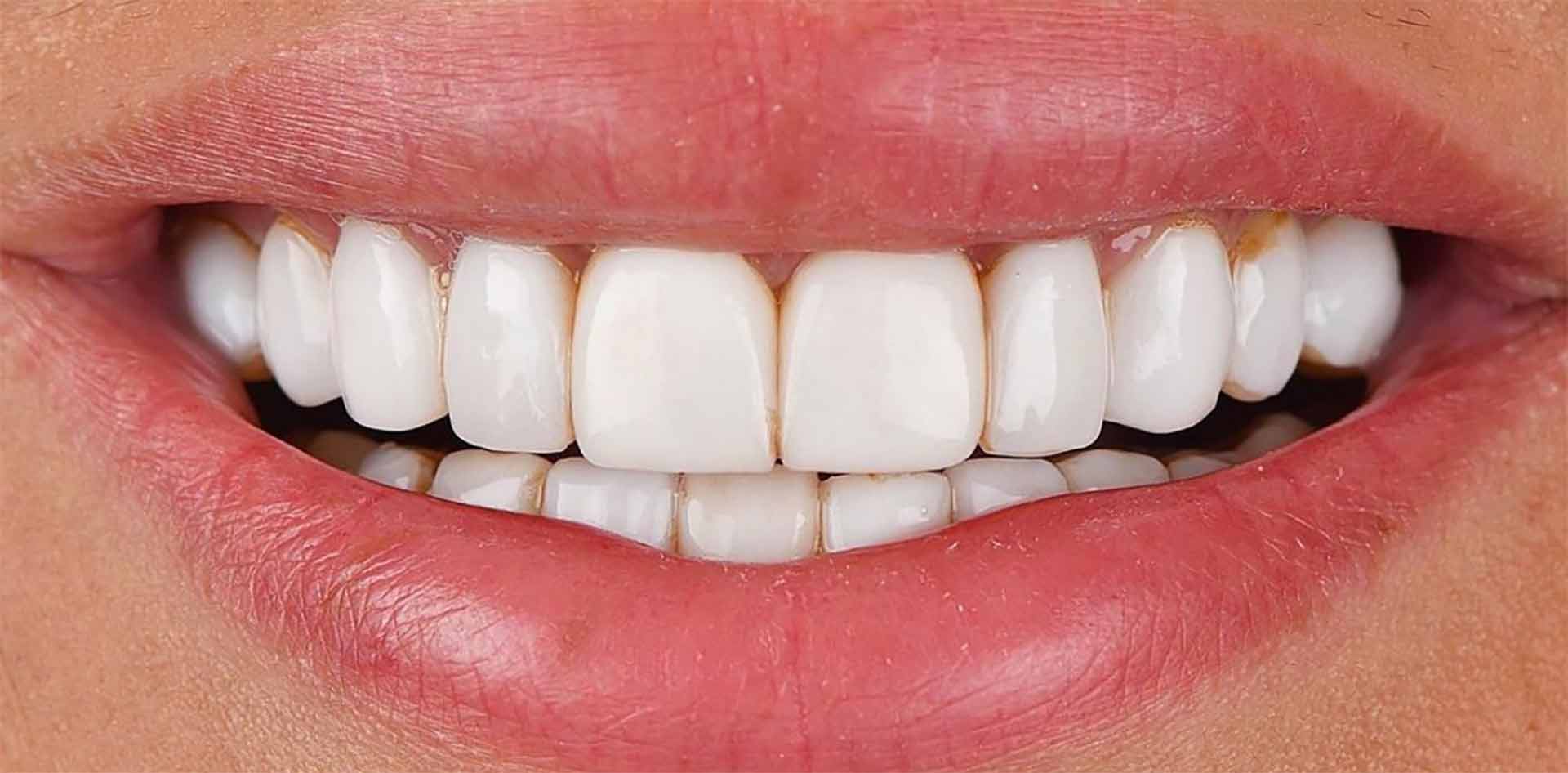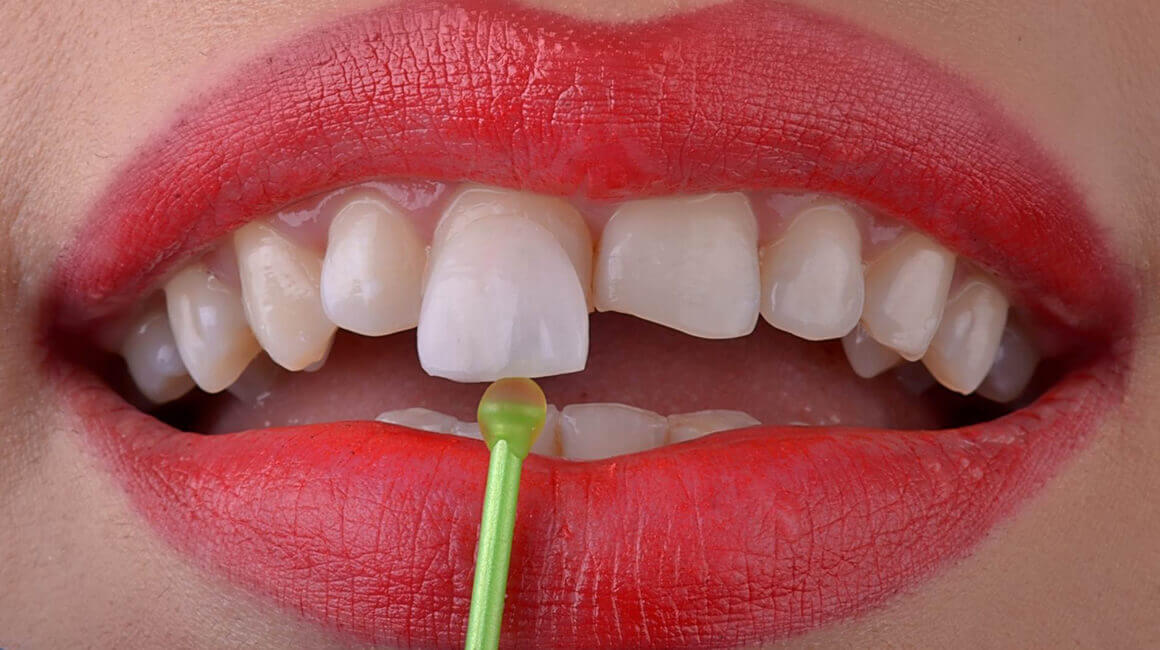





A perfect smile is not simply about white teeth it is the result of multiple aesthetic and structural factors working in harmony. Yet most people spend years feeling self-conscious about their smile without ever knowing exactly what needs to change. A perfect smile is defined by the balance of symmetrical lips, well-proportioned teeth, minimal gum exposure, proper alignment, and a bright, stain-free appearance all working together to create a smile that feels natural, confident, and visually harmonious. Whether you are starting from scratch or refining an already healthy smile, understanding these seven principles is the first step toward knowing exactly what your smile needs and how to get there. At Dr. Wonder Clinic, every smile assessment begins with a full evaluation of all seven principles before any treatment is recommended.
What Is a Perfect Smile?
In cosmetic dentistry, a perfect smile is assessed across several measurable aesthetic standards. Clinicians evaluate the smile line, tooth proportions, gum exposure, midline symmetry, and lip framing together — not in isolation. The goal is not a single “ideal” look, but a cohesive result where every element supports the others.
Here are the 7 essential principles that define a perfect smile:
1. Symmetrical Lips
Lip symmetry is the frame around your smile. Even the most perfectly aligned teeth can appear unbalanced if the lips that surround them are uneven in volume or shape. In an aesthetically ideal smile, both sides of the upper lip follow a smooth, consistent curve, and the lip corners sit at equal heights.
Asymmetrical lips — whether due to genetics, volume loss with age, or muscle imbalance — are one of the most overlooked causes of smile dissatisfaction. Addressing lip symmetry is often the first step cosmetic dentists and aesthetic practitioners recommend before any dental work begins.
2. No Gums in a Perfect Smile
When you smile, how much gum tissue is visible above your upper teeth? In an aesthetically balanced smile, the gum line sits just at or slightly above the tooth margin — with no more than 2–3 mm of gum tissue showing. Anything beyond this is clinically referred to as a gummy smile, and it can make teeth appear shorter and less prominent regardless of their actual condition.
Gum exposure is not just a cosmetic preference — it is a measurable standard in smile design, and it is one of the most common concerns patients bring to cosmetic dentists.
3. How Much of Your Teeth Should Show
Tooth display how much of your upper teeth are visible when you smile — is a key marker of both youth and dental health. As a general aesthetic guideline, the upper central incisors (the two front teeth) should be fully visible when smiling, with approximately 75–100% of their length displayed. The average ideal length for upper central incisors is around 10–11 mm.
Under-display where very little tooth shows even during a full smile — can make a smile appear aged or withdrawn. Over-display, where the teeth dominate the smile without adequate lip framing, can appear harsh. The balance between these two extremes is the target.
4. Alignment Is a Perfect Smile
Alignment refers to how the teeth sit relative to each other and to the midline of the face. In an ideal smile, the central line running between the two upper front teeth aligns with the midline of the nose and chin, creating a symmetrical, balanced appearance from every angle.
Misalignment whether it is crowding, spacing, rotated teeth, or a shifted dental midline — disrupts this symmetry and draws the eye immediately. Even subtle misalignment is detected instinctively, which is why proper alignment is considered the structural foundation of any smile makeover.
5. Straight Teeth
Straight teeth are not purely cosmetic — they are also a health standard. Overlapping or crowded teeth are harder to clean effectively, increasing the risk of decay and gum disease over time. From an aesthetic standpoint, straight teeth reflect light evenly, appear cleaner, and contribute to a more youthful overall look.
The ideal arrangement follows a gentle curve from the front teeth outward, with each tooth sitting in proportion to its neighbors — no single tooth dominating or receding from the smile arc.
6. Bottom Teeth Shouldn’t Show
In most ideal smile designs, the lower teeth play a supporting role they should not be prominently visible during a natural smile. When the lower teeth show excessively, it can create a visual “heaviness” to the smile and draw attention away from the more aesthetically significant upper teeth.
This principle also relates to bite depth: a deep overbite, where the upper front teeth excessively overlap the lower ones, or an open bite, where the teeth do not meet at all, both affect how the lower teeth appear during smiling and speaking.
7. Stain-Free Glow
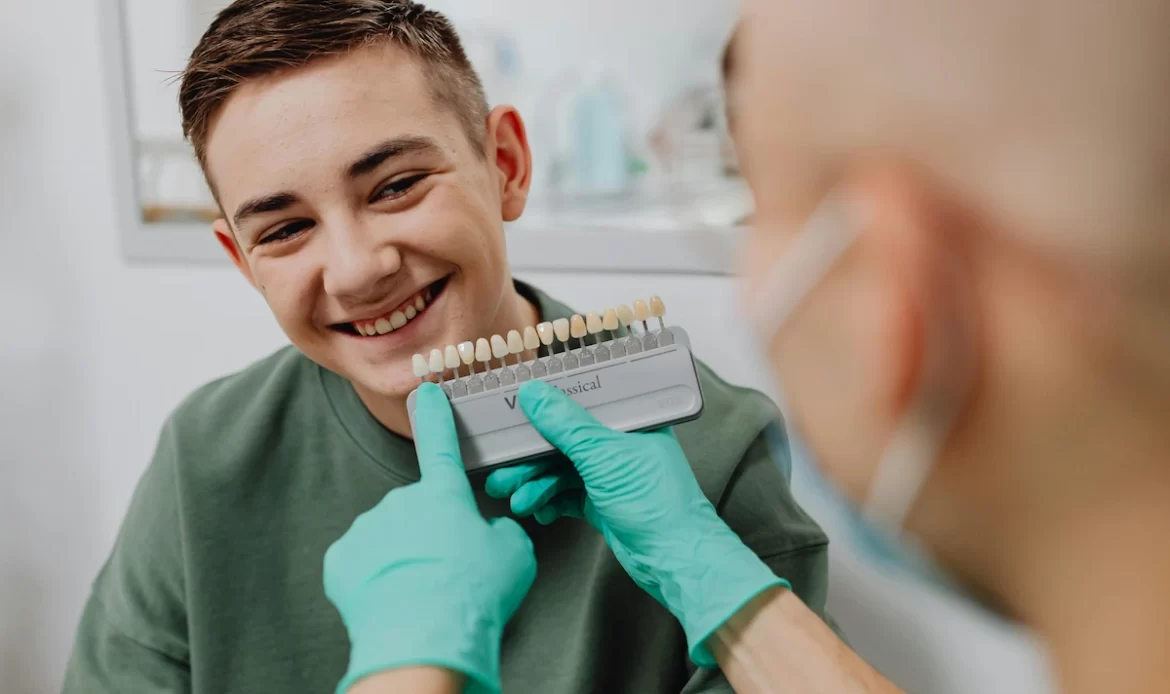
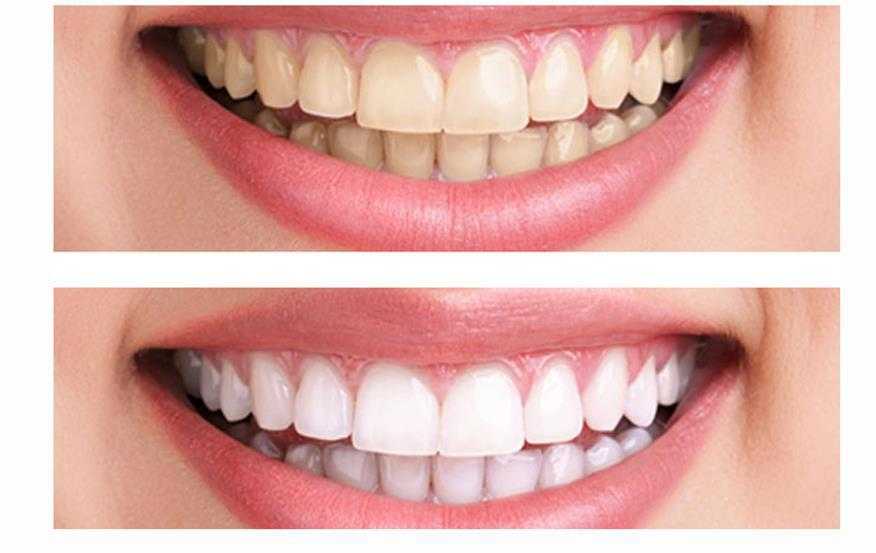
Colour is perhaps the most immediately noticed element of any smile. Teeth that are bright, clean, and uniformly shaded appear healthier and more youthful regardless of their shape or alignment. The ideal tooth shade is not clinical white, but a natural, luminous tone that complements the individual’s skin tone and eye colour.
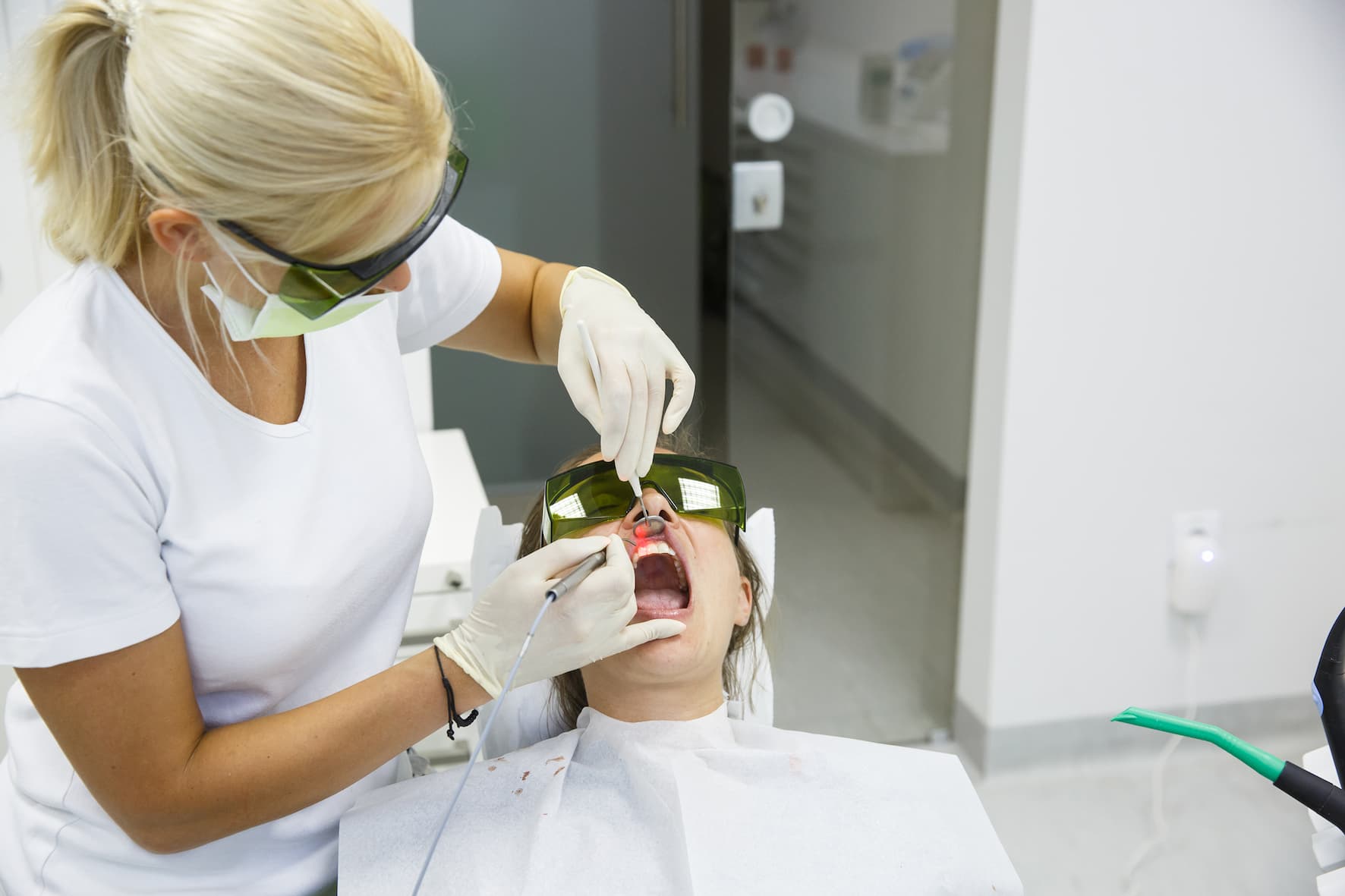
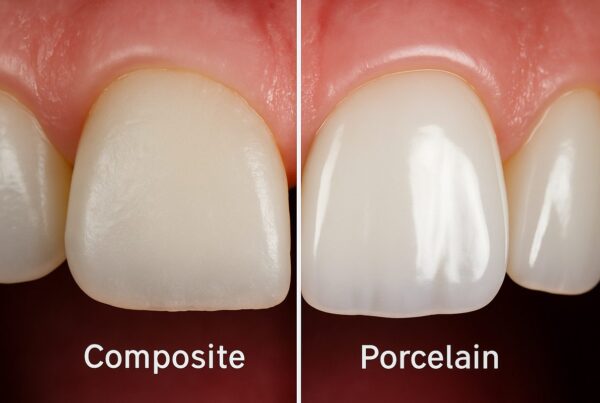
Staining from coffee, tea, red wine, or tobacco dulls this appearance and is one of the easiest smile issues to address. Professional whitening, composite bonding, or porcelain veneers can restore or enhance tooth colour as part of a broader smile design.
4 Steps to Get Your Perfect Smile
Understanding what a perfect smile looks like is one thing — knowing how to achieve it is another. These four clinical pathways address the most common smile concerns, and are frequently combined as part of a complete smile makeover.
1. Lip Fillers
For patients whose primary concern is lip symmetry, volume, or shape, dermal fillers offer a non-surgical solution with immediate results. Hyaluronic acid-based lip fillers can restore lost volume, correct asymmetry, and enhance the lip border improving the overall frame of the smile without any dental work required. Results typically last 9–12 months.
2. Gingival Aesthetics
Gingival (gum) aesthetic procedures correct excessive gum display and uneven gum lines. The most common approach is a gum contouring or crown lengthening procedure, in which excess gum tissue is removed to expose more of the tooth surface. For more significant gummy smile cases, Botox injections into the upper lip elevator muscle offer a minimally invasive alternative that temporarily limits how high the lip rises when smiling.
3. Hollywood Smile
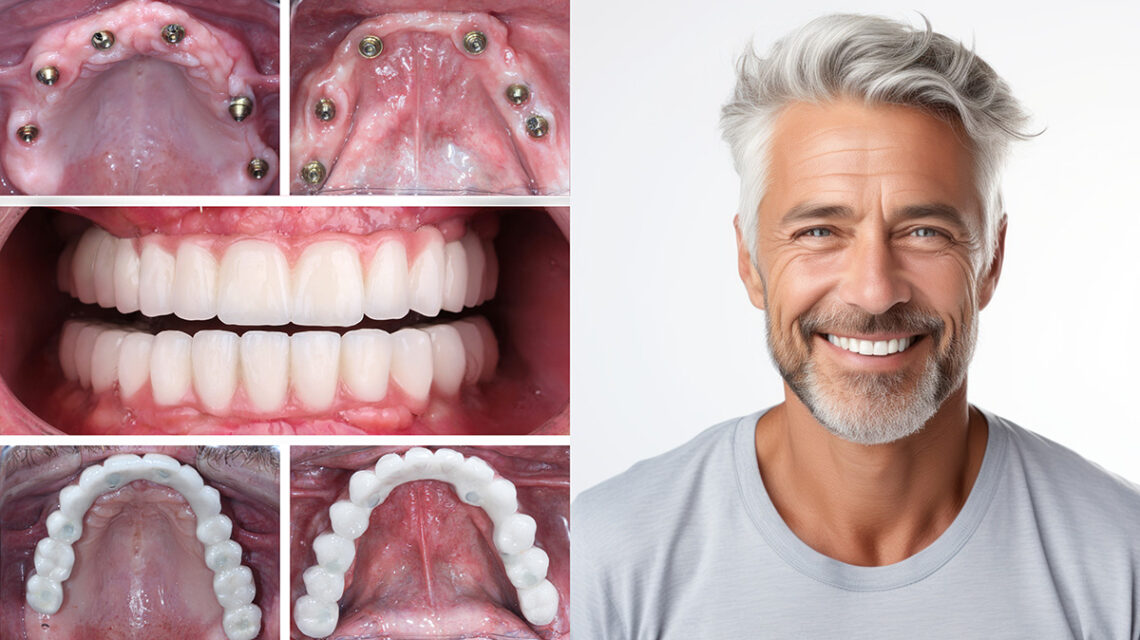
A Hollywood Smile refers to a complete cosmetic dental transformation, typically achieved through porcelain veneers or dental crowns applied across the upper and sometimes lower front teeth. The result is a uniformly shaped, brilliantly white, perfectly proportioned smile. It addresses colour, shape, size, and minor alignment issues simultaneously. At Dr. Wonder Clinic in Turkey, full Hollywood Smile packages are available at significantly lower cost than in the US or UK with all-inclusive options that cover consultation, laboratory fees, and aftercare support.
4. Orthodontics
For patients whose primary concern is alignment, spacing, or bite, orthodontic treatment provides the most structurally comprehensive solution. Modern options include:
- Clear aligners (e.g., Invisalign) — Removable, virtually invisible, and suitable for mild to moderate cases
- Fixed ceramic braces — Less visible than metal, effective for moderate to complex alignment issues
- Traditional metal braces — The most cost-effective option for complex cases requiring significant movement
Orthodontic treatment typically takes 6–24 months depending on case complexity and the system used.
How to Maintain Your Perfect Smile
Achieving a great smile is an investment maintaining it requires consistent, straightforward habits:
- Brush twice daily using a soft-bristle toothbrush and fluoride toothpaste; brush for a minimum of two minutes each session
- Floss once daily to remove plaque and debris from between teeth where a toothbrush cannot reach
- Attend dental check-ups every 6 months for professional cleaning and early detection of any issues
- Use a night guard if you grind your teeth during sleep — bruxism is one of the leading causes of veneer and crown damage
- Limit staining foods and drinks — coffee, tea, red wine, and dark sauces gradually dull tooth colour over time
- Avoid smoking — tobacco stains teeth, irritates gum tissue, and accelerates periodontal disease
- Stay hydrated — water neutralises acids, rinses away food particles, and supports saliva production, which protects enamel naturally
- Top up whitening periodically — professional touch-up whitening every 12–18 months keeps tooth colour consistent after initial treatment
In Summary
A perfect smile is the result of seven interconnected principles: symmetrical lips, controlled gum exposure, proper tooth display, midline alignment, straight teeth, minimal lower tooth visibility, and a bright, stain-free colour. When these elements are in balance, the smile looks natural, healthy, and effortlessly confident.
Achieving that balance depends on where your starting point is. For some patients, a whitening treatment and clear aligners are enough. For others, a full combination of gum contouring, porcelain veneers, and lip aesthetics delivers the transformation they are looking for. The key is understanding which of the seven principles apply to your specific smile — and working with a qualified cosmetic dentist to build a treatment plan around them. Dr. Wonder Clinic offers free online smile consultations for international patients, allowing you to receive a personalised assessment and treatment plan before committing to any procedure.
Frequently Asked Questions
What makes a smile look perfect?
A perfect smile is defined by the balance of multiple aesthetic factors: symmetrical lips, straight and properly proportioned teeth, minimal gum exposure, correct alignment with the facial midline, and a bright, uniform tooth colour. No single element creates a perfect smile alone it is the harmony between all of them that produces the result.
Can I get a perfect smile without braces?
Yes, in many cases. If the primary concerns are colour, shape, or minor chips rather than significant misalignment, treatments such as porcelain veneers, composite bonding, or teeth whitening can deliver dramatic cosmetic improvements without orthodontic treatment. A clinical assessment will determine which route is appropriate for your specific situation.
How long does it take to get a perfect smile?
Timeline varies significantly depending on the treatments required. Teeth whitening can be completed in a single session. Porcelain veneers typically take 1–2 weeks (or as few as 5–7 days in Turkey). Orthodontic treatment ranges from 6 to 24 months. A combined smile makeover involving multiple procedures may take several months to complete in stages.
What is the Hollywood Smile and how much does it cost?
A Hollywood Smile is a full cosmetic dental transformation — typically achieved with porcelain veneers or crowns across the front teeth — designed to create a uniformly white, perfectly shaped smile. In the US or UK, full Hollywood Smile treatments can cost $10,000–$25,000. In Turkey, the same quality treatment using E-max or zirconia materials is available for $2,000–$5,500. Dr. Wonder Clinic offers all-inclusive Hollywood Smile packages in Istanbul — covering digital smile design, laboratory fabrication, and post-treatment follow-up — making it a trusted destination for international patients seeking high-quality results at a fraction of the cost.
Is a gummy smile fixable?
Yes. A gummy smile where more than 2–3 mm of gum tissue shows above the upper teeth when smiling can be corrected through gum contouring (a minor surgical procedure), crown lengthening, or Botox injections into the upper lip muscle. The right approach depends on the underlying cause, which a cosmetic dentist or periodontist can assess during consultation.
Your Smile, Our Passion
Ready to Transform Your Smile?
Fill in our quick form and our team will contact you to confirm all details and answer your questions.
Book Your Free
Consultation Today
Our specialists will guide you through the best treatment options tailored for you.
Step 1 / 2
Step 2 / 2
← Back to Contact Info
Request Received!
Thank you! Our team will be in touch within 24 hours to confirm your consultation and answer any questions.
Trusted by Thousands
Find your perfect smile at Dr. Wonder Clinic