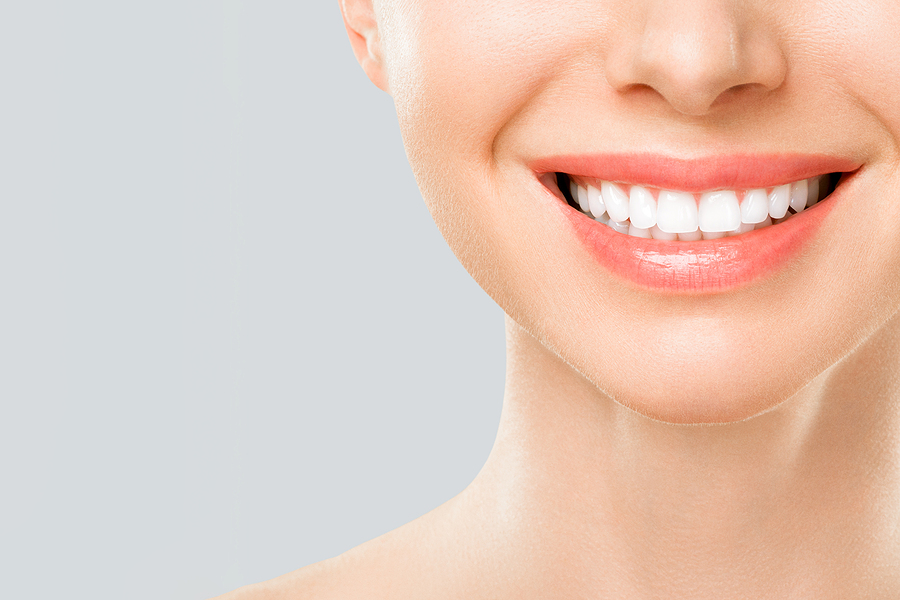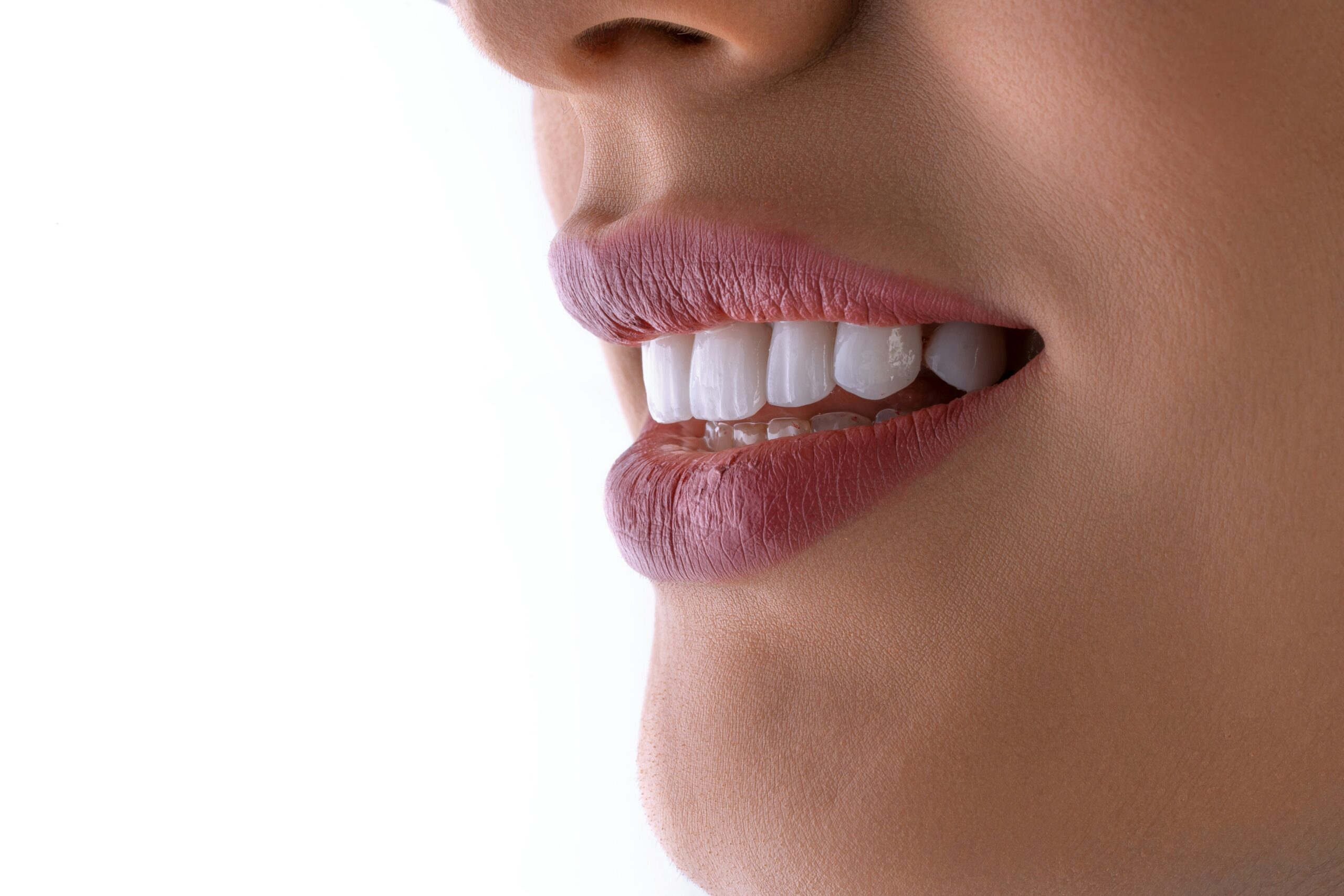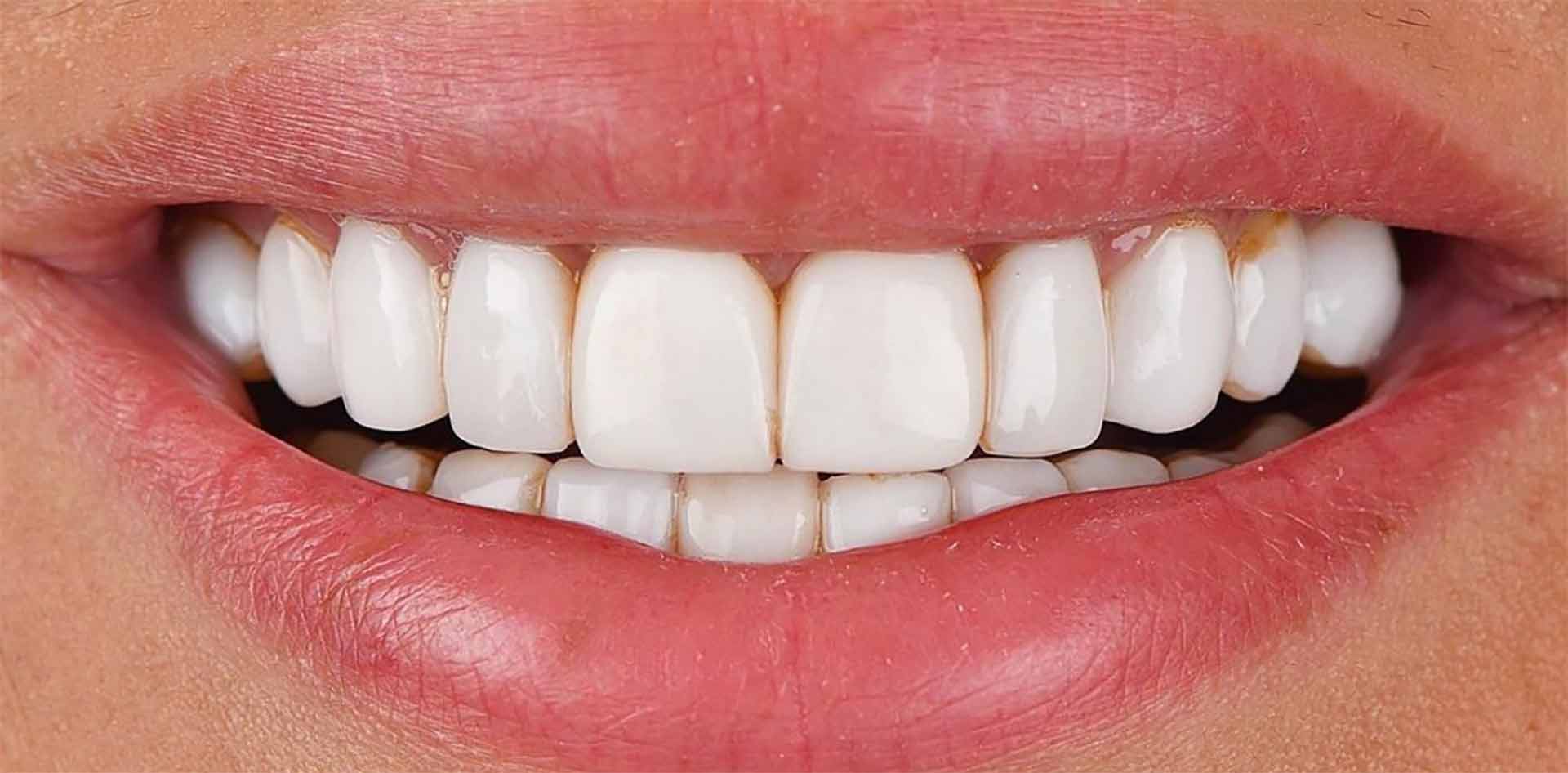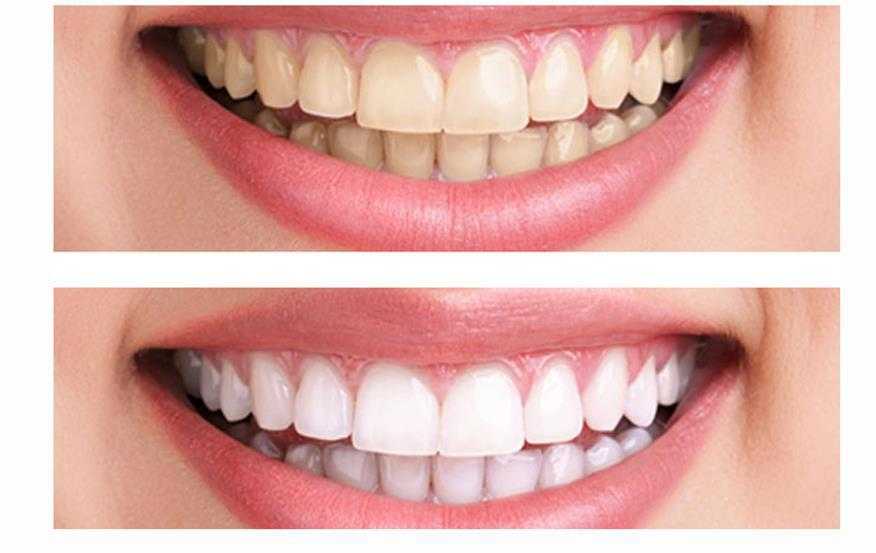





Teeth whitening in Turkey offers professional dental bleaching treatments at 60-75% lower costs than Western countries, with prices ranging from €150-€400 compared to €500-€1,500 in Europe or North America. Turkish dental clinics use advanced whitening systems like Zoom, laser whitening, and custom tray methods, delivering results that brighten teeth by 6-10 shades in just one visit. With internationally accredited facilities, experienced cosmetic dentists, and all-inclusive treatment packages, Turkey has become the premier destination for affordable yet high-quality teeth whitening procedures.
Teeth Whitening in Turkey – Complete Overview
| Aspect | Details |
|---|---|
| Average Cost in Turkey | €150 – €400 (depending on method and clinic) |
| Cost in UK/USA | €500 – €1,500 |
| Treatment Duration | 45-90 minutes for in-office whitening |
| Results | 6-10 shades whiter in one session |
| Whitening Methods | Laser whitening, Zoom whitening, LED light activation, custom trays |
| Longevity | 1-3 years with proper maintenance |
| Pain Level | Minimal; temporary sensitivity possible |
| Sessions Required | Usually 1 session; complex cases may need 2-3 |
| Recovery Time | Immediate; no downtime required |
| Best Cities | Istanbul, Antalya, Izmir, Ankara |
Key Takeaways
- Turkey provides exceptional value for professional teeth whitening, offering the same advanced technology and expertise found in Western clinics at a fraction of the cost
- In-office whitening delivers immediate results, brightening teeth by 6-10 shades in a single 60-90 minute appointment using professional-grade bleaching agents
- Multiple whitening methods are available including laser whitening, Zoom technology, LED light activation, and custom take-home trays, allowing personalized treatment selection
- Turkish dental clinics use internationally approved products and follow strict safety protocols, ensuring effective and safe whitening procedures performed by experienced cosmetic dentists
- Combining teeth whitening with dental tourism allows patients to enhance their smile while exploring Turkey’s rich culture, making it both a medical and leisure experience
Teeth Whitening Procedure in Turkey
Professional teeth whitening performed in Turkish dental clinics represents the most effective method for achieving a dramatically brighter smile. Unlike over-the-counter products, clinical whitening treatments use concentrated bleaching agents and advanced activation systems that penetrate tooth enamel safely and effectively.
The whitening process removes both extrinsic stains (surface discoloration from coffee, tea, wine, and tobacco) and intrinsic stains (deeper discoloration within tooth structure). Turkish dentists assess each patient’s current shade, desired outcome, and dental health before recommending the most appropriate whitening technique.
What is the procedure?
The teeth whitening procedure in Turkey follows a systematic protocol designed to maximize results while protecting oral tissues. Understanding each step helps patients feel comfortable and prepared for their treatment.
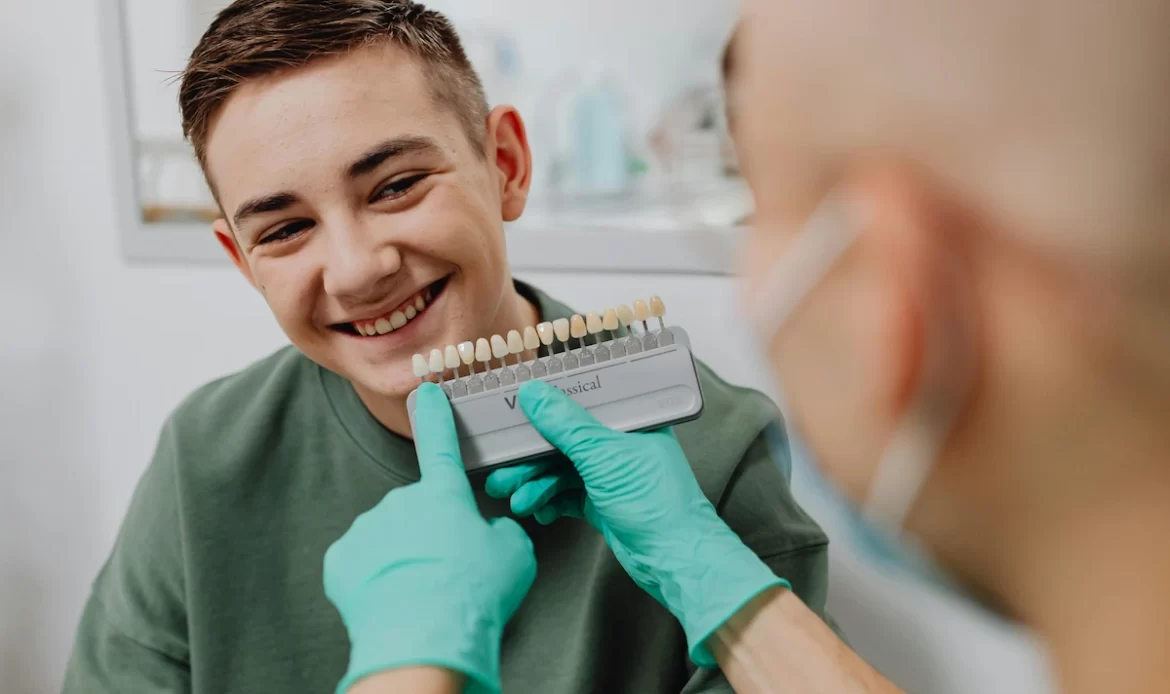
Pre-treatment consultation is essential. Your dentist examines your teeth and gums, discusses your whitening goals, identifies any dental issues that need addressing first, and determines your current tooth shade using standardized color guides. This assessment ensures you’re a suitable candidate for professional whitening.
Step 1
Preparation and Protection: Your dentist begins by thoroughly cleaning your teeth to remove plaque, tartar, and surface debris that could interfere with the whitening agent’s effectiveness. This professional cleaning ensures the bleaching gel makes direct contact with tooth enamel.
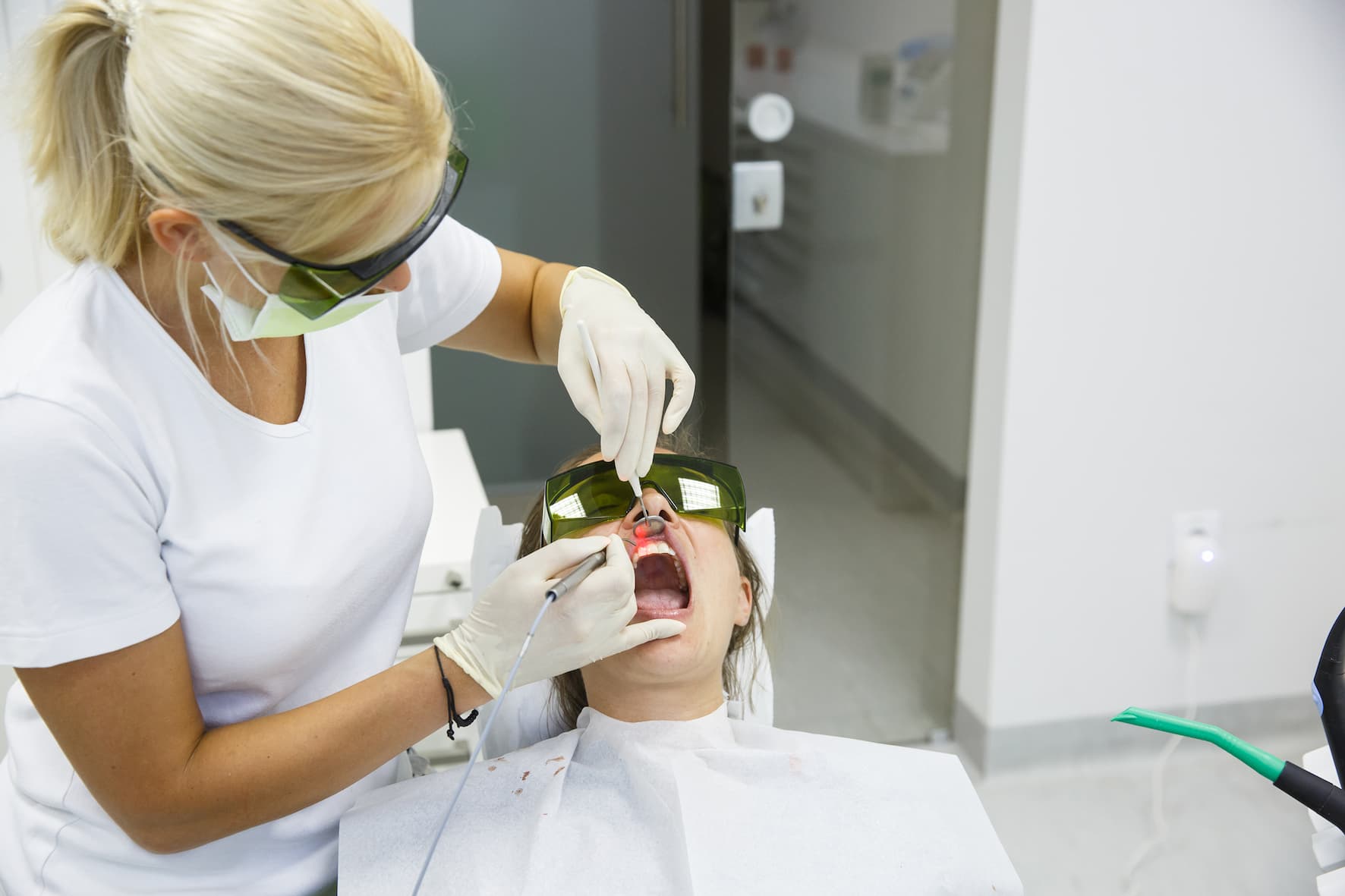
Next, protective barriers are carefully applied. A rubber dam or protective resin is placed along the gum line to shield soft tissues from the concentrated bleaching agent. Cheek retractors hold lips away from teeth, and protective eyewear shields your eyes from the activation light used in many whitening systems.
This preparation phase typically takes 15-20 minutes but is crucial for both safety and effectiveness. Turkish dental professionals are meticulous in this stage, ensuring complete protection before applying any whitening products.
Step 2
Application of Whitening Agent: Once protective barriers are secure, your dentist applies a professional-grade hydrogen peroxide or carbamide peroxide gel to the visible surfaces of your teeth. The concentration used in clinical settings (typically 25-40% hydrogen peroxide) is significantly stronger than over-the-counter products, which is why professional treatments deliver superior results.
The whitening gel is applied evenly across all teeth being treated, usually the front 8-10 teeth in the upper and lower arches that show when you smile. The application must be precise, covering tooth surfaces completely while avoiding gum tissue.
For laser whitening or LED-activated treatments, a specialized light source is then positioned to shine on the treated teeth. This light accelerates the bleaching process by activating the peroxide molecules, allowing them to penetrate enamel more effectively. The light remains in position for 15-20 minutes per cycle.
Many Turkish clinics use advanced systems like Zoom Whitening, Philips Zoom, or Beyond Polus, which combine powerful bleaching gels with proprietary light technology for optimal results.
Step 3
Multiple Cycles and Final Results: The application and activation process is typically repeated 2-4 times during a single appointment. After each 15-20 minute cycle, the dentist removes the used gel, examines progress, and applies fresh whitening agent for the next cycle.
Between cycles, your dentist may take photos to document the progressive whitening. This also allows them to assess whether additional cycles are needed to reach your target shade. Most patients achieve their desired brightness within 3-4 cycles, though this varies based on starting shade and desired outcome.
After the final cycle, all whitening gel is thoroughly removed, protective barriers are taken away, and your teeth are rinsed. Many dentists apply a fluoride treatment or desensitizing agent to minimize post-treatment sensitivity. Your final shade is recorded, and you receive detailed aftercare instructions.
The entire in-office whitening session typically lasts 60-90 minutes, and you leave the clinic with noticeably whiter teeth. Results are immediately visible, though teeth may continue brightening slightly over the following 24-48 hours.
Is teeth whitening painful?
Teeth whitening is generally not painful, though some patients experience temporary tooth sensitivity during or after treatment. This sensitivity occurs because the bleaching agents temporarily open microscopic pores in tooth enamel, allowing the whitening compounds to penetrate but also exposing nerve endings within teeth.
The sensation is typically described as a mild tingling or brief sharp sensitivity to temperature rather than continuous pain. It usually peaks within the first 24 hours after treatment and resolves completely within 48-72 hours as enamel pores close naturally.
Turkish dentists minimize sensitivity through several approaches:
- Using desensitizing gels before and after whitening treatment
- Adjusting bleaching agent concentration for patients with sensitive teeth
- Taking breaks between application cycles to allow teeth to recover
- Recommending sensitive-formula toothpaste for use before and after treatment
- Prescribing fluoride treatments to strengthen enamel
Patients with pre-existing tooth sensitivity should inform their dentist during consultation. Professional whitening can still be performed safely with appropriate modifications to the protocol.
How long does a teeth whitening process take?
A complete professional teeth whitening session in Turkey typically requires 60-90 minutes from start to finish. This includes preparation time (15-20 minutes), multiple application and activation cycles (45-60 minutes), and final cleanup and aftercare discussion (10-15 minutes).
The exact duration depends on several factors:
- Whitening method chosen: Laser-activated systems often work faster than non-activated bleaching gels
- Starting tooth shade: Heavily stained teeth may require additional cycles
- Target brightness: Patients seeking maximum whitening may need extended treatment
- Individual response: Some people’s teeth respond faster to bleaching agents
Take-home whitening kits provided by Turkish dentists work differently. While the initial consultation and custom tray fitting take about 30-45 minutes, the actual whitening occurs at home over 1-2 weeks, with patients wearing trays for 30 minutes to several hours daily depending on gel concentration.
Many international patients appreciate that in-office whitening fits easily into a dental tourism schedule, allowing them to achieve dramatic results in a single appointment while exploring Istanbul or other Turkish cities.
Am I suitable for teeth whitening?
Most adults are excellent candidates for professional teeth whitening, but certain conditions require consideration. Ideal candidates have generally healthy teeth and gums with yellowing or discoloration they wish to improve.
You’re likely suitable if you have:
- Natural teeth with yellow or brown discoloration from age, diet, or lifestyle
- Good overall oral health with no untreated cavities or gum disease
- Realistic expectations about achievable results
- No extreme tooth sensitivity or enamel erosion
- Completed any necessary dental work (cavities filled, gum disease treated)
Teeth whitening may not be recommended if you:
- Are pregnant or breastfeeding (safety precautions suggest postponing cosmetic procedures)
- Have severe tooth decay, exposed roots, or advanced gum disease requiring treatment first
- Have very thin enamel or significant enamel erosion
- Suffer from temporomandibular joint disorders that make keeping your mouth open uncomfortable
- Are under 16 years old (tooth pulp is larger in young people, increasing sensitivity risk)
Important considerations about whitening limitations:
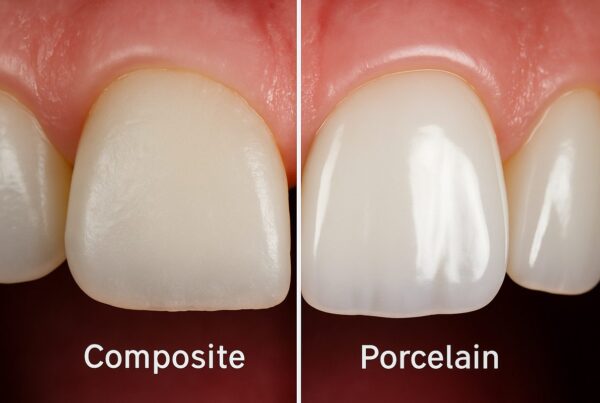
Dental restorations don’t whiten. Crowns, veneers, fillings, and bonding maintain their original color during whitening treatment. If you have visible restorations on front teeth, they may need replacement after whitening to match your new, brighter shade.
Gray discoloration from certain medications (like tetracycline antibiotics) or trauma responds less predictably to whitening than yellow staining. While improvement is possible, Turkish dentists may recommend alternative treatments like veneers for severe gray discoloration.
Intrinsic stains from fluorosis or developmental conditions may lighten but often require multiple treatments or combination approaches for optimal results.
During your consultation at a Turkish dental clinic, your dentist will examine your teeth, review your medical history, and determine the most appropriate whitening approach for your specific situation. If whitening isn’t suitable, they’ll discuss alternative cosmetic treatments that can achieve your aesthetic goals.
How much does teeth whitening cost in Istanbul, Turkey?
Teeth whitening costs in Turkey remain remarkably affordable compared to Western countries, making Istanbul and other Turkish cities top destinations for cosmetic dental tourism. The significant price difference reflects Turkey’s lower operational costs and favorable exchange rates, not inferior quality or technology.
In-office professional whitening in Turkey typically costs:
- Laser teeth whitening: €200 – €400
- Zoom whitening: €250 – €450
- LED light-activated whitening: €150 – €350
- Standard professional bleaching: €150 – €300
Take-home whitening kits with custom trays: €100 – €200
Combination packages (in-office treatment plus take-home maintenance kit): €300 – €500
For comparison, the same treatments cost significantly more elsewhere:
- United Kingdom: £400 – £1,200 (€470 – €1,400)
- United States: $500 – $1,500 (€460 – €1,380)
- Germany: €500 – €1,200
- Australia: AUD $800 – $2,000 (€490 – €1,220)
The 60-75% cost savings in Turkey make professional whitening accessible to patients who might otherwise settle for less effective over-the-counter products in their home countries.
What’s included in Turkish whitening packages:
Most reputable dental clinics in Istanbul offer comprehensive packages that include initial consultation and examination, professional teeth cleaning before whitening, the complete whitening procedure with multiple cycles, post-treatment fluoride or desensitizing treatment, aftercare instructions and maintenance tips, and follow-up consultation if needed.
Premium clinics may also include airport transfers, hotel accommodation for treatment days, and interpreter services for international patients.
Factors affecting price variation:
- Clinic location and reputation: Prestigious clinics in central Istanbul may charge more than clinics in other neighborhoods or cities
- Dentist experience: Highly specialized cosmetic dentists command higher fees
- Technology and products used: Advanced systems like Philips Zoom cost more than basic bleaching
- Number of sessions: Severely stained teeth requiring multiple appointments increase total cost
- Additional services: Combining whitening with other treatments affects pricing
Despite these variations, teeth whitening in Turkey remains exceptionally cost-effective. The affordability, combined with the opportunity to visit a fascinating country, explains why thousands of international patients choose Turkey for their cosmetic dental treatments annually.
Frequently asked questions
Is teeth whitening safe?
Yes, professional teeth whitening is extremely safe when performed by qualified dentists using approved products and proper protocols. Decades of research and millions of treatments worldwide have established the safety profile of both hydrogen peroxide and carbamide peroxide bleaching agents used in clinical settings.
Turkish dental clinics use internationally certified whitening systems that meet European Union and FDA safety standards. These products have undergone extensive testing to ensure they effectively whiten teeth without damaging enamel or causing permanent harm to oral tissues.
The most common side effect is temporary tooth sensitivity, which affects about 60% of patients to varying degrees. This sensitivity is manageable and resolves naturally within 2-3 days. Gum irritation can occur if bleaching gel contacts soft tissues, which is why proper application technique and protective barriers are essential.
Professional supervision ensures safety. Dentists assess your oral health before treatment, use appropriate bleaching concentrations for your situation, apply protective measures to shield gums and soft tissues, monitor treatment progress, and address any concerns immediately.
Over-the-counter whitening products, while generally safe, lack professional supervision and use lower concentrations, making them less effective but not necessarily safer. Improper use of any whitening product can cause problems, which is why professional whitening in Turkey offers the ideal combination of safety and effectiveness.
What aftercare is required for teeth whitening?
Post-whitening care is straightforward but important for maintaining results and minimizing sensitivity. Your Turkish dentist will provide specific instructions, but general aftercare guidelines include:
First 48 hours (critical period):
- Avoid staining foods and beverages including coffee, tea, red wine, dark sodas, berries, tomato sauce, soy sauce, and balsamic vinegar
- Eliminate tobacco products completely (smoking or chewing)
- Use a soft-bristled toothbrush and gentle brushing technique
- Apply desensitizing toothpaste if you experience sensitivity
- Avoid very hot or very cold foods and drinks if sensitivity occurs
This 48-hour period is crucial because tooth enamel remains slightly porous after whitening, making teeth more susceptible to staining. Following the “white diet” during this time protects your investment.
Long-term maintenance:
- Practice excellent oral hygiene with twice-daily brushing and daily flossing
- Use whitening toothpaste 2-3 times weekly to maintain brightness
- Rinse your mouth with water after consuming staining substances
- Schedule regular dental cleanings every 6 months
- Consider touch-up treatments annually or as needed
Many dental clinics in Turkey provide take-home whitening kits for maintenance, allowing you to perform touch-up treatments every 6-12 months to preserve your bright smile.
Can I eat after teeth whitening?
Yes, you can eat immediately after teeth whitening, but dietary restrictions are essential for the first 24-48 hours to protect your results. The “white diet” is recommended during this critical period when tooth enamel is most vulnerable to staining.
Safe foods immediately after whitening:
- White fish, chicken breast, turkey
- White rice, pasta without colored sauces
- White bread, plain bagels
- Cauliflower, peeled potatoes
- Bananas, white grapes
- White cheeses, milk, plain yogurt
- Egg whites (avoid yolks during first 48 hours)
Foods and drinks to avoid for 48 hours:
- Dark beverages: coffee, black tea, red wine, dark sodas, grape juice
- Colorful foods: berries, beets, tomato sauce, dark chocolate
- Acidic items: citrus fruits, vinegar-based dressings
- Intensely colored spices: turmeric, curry, paprika
- Tobacco products of any kind
After the initial 48-hour period, you can gradually reintroduce other foods, though maintaining good oral hygiene and moderating staining substances helps preserve whitening results longer.
Practical tip: If you must consume potentially staining beverages, use a straw to minimize contact with front teeth, and rinse your mouth with water immediately afterward.
How long does teeth whitening last?
Professional teeth whitening results typically last 1-3 years, though duration varies significantly based on individual factors and maintenance habits. Understanding what influences longevity helps you maximize your investment in teeth whitening in Turkey.
Factors affecting whitening duration:
Lifestyle habits play the primary role. Heavy coffee or tea drinkers, red wine consumers, and tobacco users experience faster color regression. These substances contain chromogens (pigmented molecules) that gradually re-stain tooth enamel over time.
Oral hygiene significantly impacts results. Patients who brush twice daily, floss regularly, and maintain professional cleanings every 6 months preserve whiteness longer than those with poor oral care.
Diet composition matters. Frequent consumption of acidic foods and drinks (citrus, sodas) can soften enamel temporarily, making it more susceptible to staining. A diet high in water and crunchy vegetables naturally cleans teeth and helps maintain brightness.
Natural tooth color influences expectations. People with naturally yellow undertones may see gradual darkening over 12-18 months, while those with naturally whiter teeth often maintain results for 2-3 years or longer.
Touch-up treatments extend results indefinitely. Many patients return to their Turkish dental clinic annually for a single whitening session, or use take-home maintenance kits every 6-12 months to refresh their smile. These touch-ups are quicker and less expensive than initial treatments because baseline brightness is already established.
Realistic expectations are important. Teeth naturally darken with age as enamel thins and underlying dentin becomes more visible. While professional whitening produces dramatic immediate results, maintaining that brightness requires ongoing attention to diet, habits, and periodic touch-ups.
Most patients find that even as some color regression occurs, their teeth remain noticeably whiter than before treatment, and periodic maintenance keeps them satisfied with their smile’s appearance long-term.
Your Smile, Our Passion
Ready to Transform Your Smile?
Fill in our quick form and our team will contact you to confirm all details and answer your questions.
Book Your Free
Consultation Today
Our specialists will guide you through the best treatment options tailored for you.
Step 1 / 2
Step 2 / 2
← Back to Contact Info
Request Received!
Thank you! Our team will be in touch within 24 hours to confirm your consultation and answer any questions.
Trusted by Thousands
Find your perfect smile at Dr. Wonder Clinic