



Key takeaways
- Zygomatic implants are extra-long dental implants anchored in the cheekbone (zygoma) instead of the upper jaw, for patients with severe upper bone loss.
- They usually replace the need for bone grafting or a sinus lift, so fixed teeth can often be fitted within days instead of 6–12 months.
- A 2023 meta-analysis found 96.2% of zygomatic implants still functioning after 6 years, with an annual failure rate of 0.7%.
- In the UK, zygomatic implants cost about £12,000–£24,000 per jaw; in Turkey the same treatment costs about £5,500–£13,000 per jaw.
- Zygomatic surgery is more complex than standard implants, so the surgeon’s training and case numbers matter more than the price.
What are zygomatic implants?
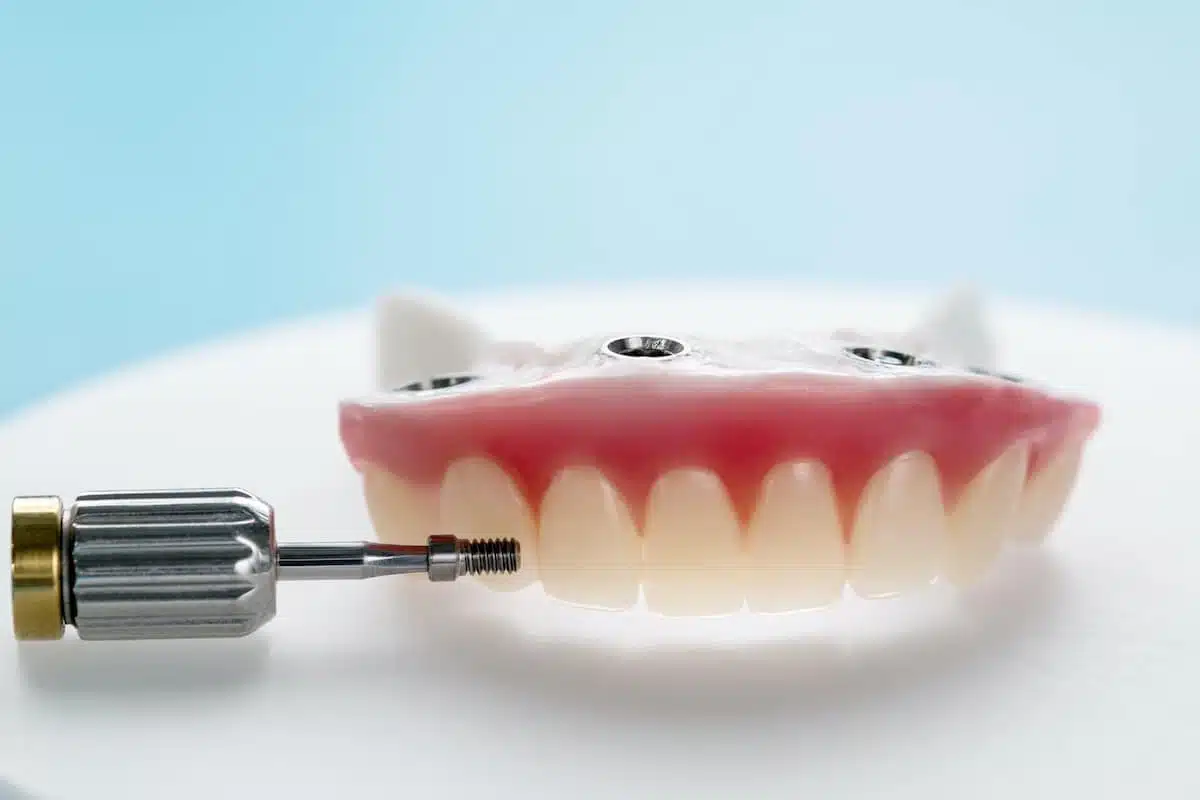
Zygomatic implants are titanium implants about 30–52.5 mm long, roughly three times the length of a standard implant. They pass through the back of the upper jaw and anchor in the dense cheekbone. Because the cheekbone does not shrink after tooth loss the way the jaw does, it gives a stable base even when almost no jawbone remains.
They are used only in the upper jaw. The lower jaw keeps more bone and rarely needs this approach.
Who needs zygomatic implants?
You may be a candidate if a CT scan shows that your upper jaw is too thin or too short for standard implants. Common reasons include:
- long-term denture wear, which slowly flattens the jaw;
- tooth loss many years ago;
- failed standard implants or bone grafts;
- an enlarged sinus that leaves little bone below it;
- bone loss after gum disease, trauma or tumour surgery.
If you have been told you need a bone graft before implants, ask whether zygomatic implants are an option. See Bone Grafting for Dental Implants in Turkey to compare both routes.
Zygomatic implant options
| Option | Implants per upper jaw | Used when |
|---|---|---|
| Zygomatic All-on-4 | 2 zygomatic + 2 standard at the front | Bone is lost at the back but still present at the front |
| Quad zygoma | 4 zygomatic | Very little bone anywhere in the upper jaw |
| Single zygomatic | 1 zygomatic, combined with standard implants | Bone is lost on one side only |
In all three, a fixed full-arch bridge of 10–14 teeth is screwed onto the implants. Read more about full-arch designs in All-on-4 vs All-on-6.
How much do zygomatic implants cost in Turkey?
Zygomatic implants in Turkey typically cost 50–60% less than in the UK. The price depends on the number of zygomatic implants, the implant brand and the material of the final bridge.
| Treatment (per upper jaw) | Turkey (Dr. Wonder Clinic) [confirm] | UK private clinic |
|---|---|---|
| Zygomatic All-on-4 | £5,500–£9,000 | £12,000–£18,000 |
| Quad zygoma | £8,000–£13,000 | £16,000–£24,000 |
| Fixed zirconia bridge upgrade | +£1,500–£3,000 | +£3,000–£6,000 |
UK per-jaw range from the Turkey Medical Price Index, Q3 2026 (Acibadem International); the UK split by option is our estimate within that range. Turkey prices are Dr. Wonder Clinic 2026 ranges.
A quote should include the 3D CT scan, the surgery under sedation or general anaesthesia, the implants, a temporary fixed bridge and the final bridge. Ask for the implant brand in writing; Nobel Biocare and Straumann both make zygomatic systems.
How successful are zygomatic implants?
Zygomatic implants are as reliable as standard implants when placed by an experienced surgeon. A 2023 systematic review and meta-analysis in the International Journal of Implant Dentistry reported these outcomes (Brennand Roper et al., 2023):
| Outcome | Result |
|---|---|
| Implant survival at 6 years | 96.2% |
| Survival with immediate loading (teeth in days) | 98.1% |
| Survival with delayed loading | 95.0% |
| Annual implant failure rate | 0.7% |
| Prosthesis (bridge) survival | 94% |
Immediate loading, where a fixed temporary bridge is fitted within days, showed significantly better survival than waiting months. Sinusitis is the most commonly reported complication across the research (Ramezanzade et al., 2021).
Procedure and recovery time
- Day 1: consultation, 3D CT scan and treatment plan.
- Day 2: surgery under sedation or general anaesthesia, usually 2–4 hours per jaw.
- Day 3–5: a fixed temporary bridge is fitted, so you leave with teeth.
- 3–6 months later: a second trip to fit the final bridge.
Most patients have swelling and bruising around the cheeks for 7–10 days. A soft diet is needed for about 6–8 weeks. See How Many Days and Trips Do You Need for Dental Treatment in Turkey?
Pros and cons of zygomatic implants
Pros:
- No bone graft or sinus lift in most cases.
- Fixed teeth within days instead of 6–12 months.
- Long-term survival comparable to standard implants.
Cons:
- More complex surgery, usually under sedation or general anaesthesia.
- Risk of sinus problems.
- Fewer surgeons are trained to place them, in Turkey and in the UK.
How to choose a zygomatic implant surgeon
Ask every clinic these questions before you book:
- How many zygomatic implants has the surgeon placed, and over how many years?
- Is the surgeon an oral and maxillofacial surgeon or an implantologist with specific zygomatic training?
- Which implant system will be used, and will I get the implant card?
- Is the surgery done in a hospital setting or a clinic with an anaesthetist present?
- Who will treat a sinus problem if it happens after I go home?
[Dentist name: add the surgeon’s real zygomatic case count and years of experience here. This is the most citable fact on the page.]
Frequently asked questions
Are zygomatic implants painful?
The surgery is done under sedation or general anaesthesia, so you feel nothing during it. Most patients manage swelling and soreness for 7–10 days with standard painkillers.
How long do zygomatic implants last?
With good hygiene and regular checks, zygomatic implants can last for decades. Research shows 96.2% still functioning after 6 years, with a 0.7% annual failure rate.
Can I get zygomatic implants if I was told I have no bone?
Often yes. Zygomatic implants are designed for patients with too little upper jawbone for standard implants. A CT scan confirms whether the cheekbone is suitable.
Are zygomatic implants safe?
They have a strong safety record when placed by a trained surgeon. The most common complication is sinusitis, which is usually treatable.
How long do I need to stay in Turkey?
Plan for 5–7 days for the surgery and temporary teeth, then a second trip of about 5 days after 3–6 months for the final bridge.
Are zygomatic implants available on the NHS?
Rarely. The NHS may offer them after cancer surgery or major trauma, but almost never for bone loss from long-term denture wear.