



Key takeaways
- “Turkey teeth” is the UK nickname for a full set of crowns or veneers done in Turkey, usually 16–20 teeth in a very bright white shade.
- The “fake” look comes from three choices: full crowns instead of veneers, the brightest bleach shade (BL1), and identical square tooth shapes.
- In a 2022 British Dental Association survey of 1,000 UK dentists, 86% of those who had seen patients treated abroad had treated complications afterwards.
- Most natural adult teeth sit between A1 and A3 on the VITA shade guide; choosing A1, B1 or BL3–BL4 gives a bright but believable smile.
- Well-planned crowns and E.max veneers typically last 10–15 years, but teeth filed down for crowns can never go back to their natural state.
What are Turkey teeth?
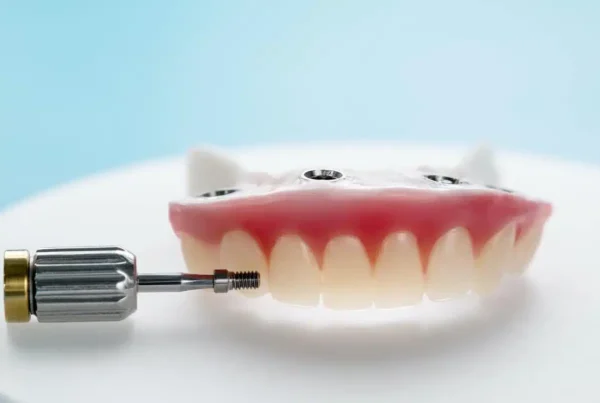
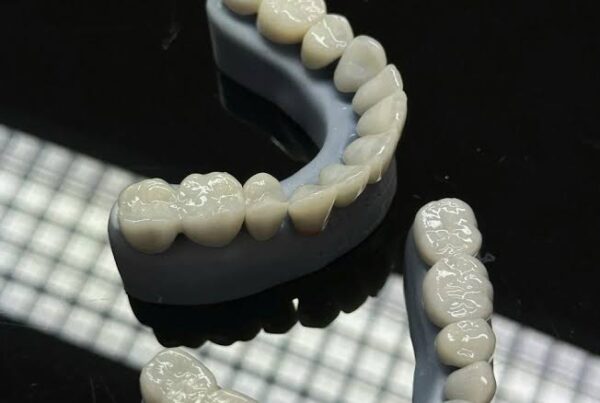
Turkey teeth are a full-mouth cosmetic makeover done in Turkey, usually with zirconia crowns or porcelain veneers on the upper and lower front teeth. The term became popular in the UK around 2021, after reality TV stars shared their results on social media.
The BBC Three documentary Turkey Teeth: Bargain Smiles or Big Mistake? (2022) brought the risks into the mainstream. Its presenter, a UK dentist with healthy teeth, contacted clinics for quotes; one recommended crowning all 28 of her teeth (GDPUK).
Today the term covers two very different treatments:
- Full crowns: the tooth is filed down on all sides and covered with a cap. This is the treatment behind most “Turkey teeth gone wrong” stories.
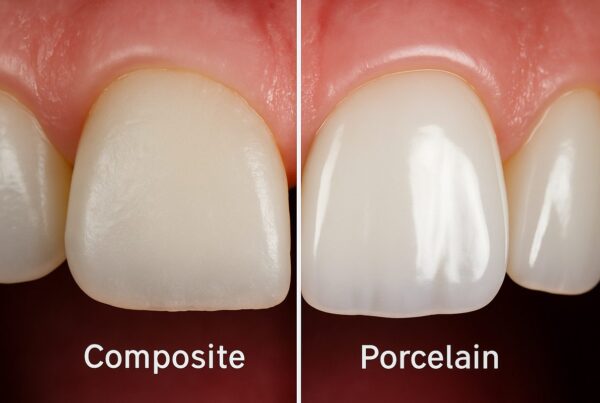
- Veneers: a thin shell is bonded to the front of the tooth only, with 0.3–0.7 mm of enamel removed. Read more in our guide to E.max veneers in Turkey.
Crowns vs veneers: why “filed down” teeth happen
The biggest difference between a natural result and a bad one is how much tooth is removed.
| Full crown | Veneer | |
|---|---|---|
| Tooth removed | 1.5–2.0 mm on all sides | 0.3–0.7 mm, front only |
| Reversible | No | Partly, with minimal prep |
| Risk to the nerve | Higher, may later need a root canal | Low |
| Best used for | Broken, heavily filled or root-treated teeth | Healthy teeth needing colour or shape change |
| Typical cost in Turkey (per tooth) | £220–£380 (zirconia) | £250–£400 (E.max) |
If your teeth are healthy and you only want them whiter or straighter, a crown is rarely the right choice. Ask the clinic to explain why each tooth needs a crown and not a veneer. See Porcelain Veneers vs Crowns for a full comparison.
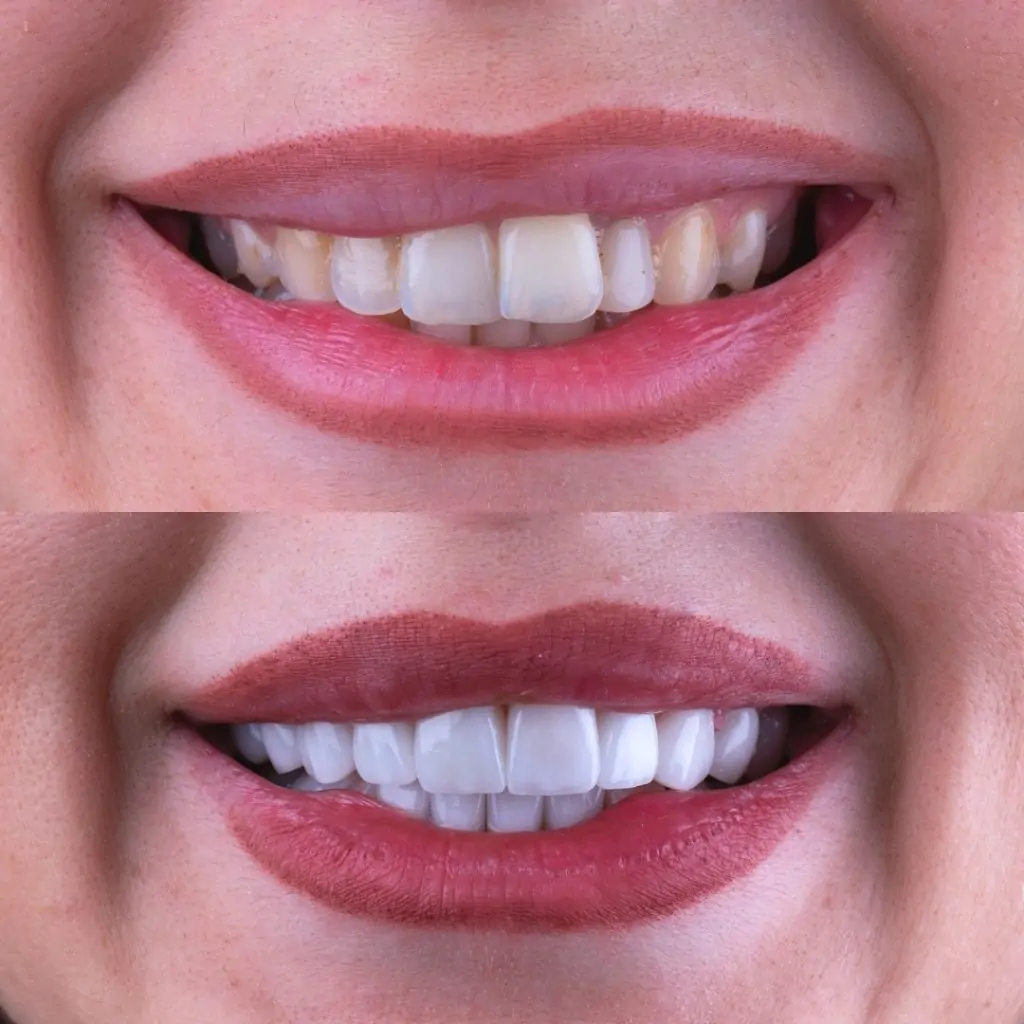
Turkey teeth before and after: what actually changes
A before and after photo shows the result on day one, not what happened to the tooth underneath. When you look at clinic galleries, check four things:
- Shade: do the teeth look whiter than the whites of the eyes? If so, the shade is too bright.
- Shape: are all teeth identical rectangles? Natural front teeth vary; canines are pointed and side teeth are smaller.
- Gum line: is there a dark line or red swelling where the tooth meets the gum? That points to a poorly fitted crown edge.
- Teeth count: a smile makeover rarely needs more than 8–10 teeth per arch. Twenty crowns on young, healthy teeth is a red flag.
Ask for before and after photos taken one or more years later, not only on the fitting day.
Turkey teeth colour chart
Dentists choose a tooth colour from a shade guide. The two in common use are the VITA Classical guide and bleach shades.
| Shade group | Shades | What it looks like |
|---|---|---|
| Bleach (brightest) | BL1, BL2 | Very bright, opaque white; the classic “Turkey teeth” look |
| Bleach (softer) | BL3, BL4 | Bright but still natural for most skin tones |
| VITA A (reddish-brown) | A1, A2, A3, A3.5, A4 | Most common natural tooth colour; A1–A2 looks whitened |
| VITA B (reddish-yellow) | B1, B2, B3, B4 | B1 is one of the lightest natural shades |
| VITA C (grey) | C1, C2, C3, C4 | Greyish tones |
| VITA D (reddish-grey) | D2, D3, D4 | Less common natural tones |
Most natural adult teeth sit between A1 and A3. For a bright but believable smile, many cosmetic dentists recommend A1, B1, or BL3–BL4, especially for older patients and those with darker skin tones. Shade choice also depends on the material: E.max lets light through, so the same shade looks softer than on opaque zirconia.
If you want a brighter natural smile without any drilling, consider teeth whitening first.
How long do Turkey teeth last?
Well-made zirconia crowns and E.max veneers typically last 10–15 years before they need replacing. Composite veneers usually last 5–7 years.
The bigger issue is what happens at replacement time. A crowned tooth always needs another crown, so the cost repeats for life. Teeth that were heavily filed down are also more likely to need root canal treatment later.
The real risks, in numbers
A 2022 British Dental Association survey of 1,000 UK dentists found that 94% had examined patients who had gone abroad for treatment. Of those, 86% had treated patients with problems afterwards, and crowns were the treatment most often needing follow-up work (Dental Tribune).
These problems are mostly planning failures, not material failures. They are avoidable when the clinic plans conservatively. If you already have problems, read Fixing Bad Turkey Teeth.
How to get a natural result in Turkey
- Ask for a digital smile design and a trial smile before any tooth is prepared.
- Ask for veneers on healthy teeth, and crowns only where there is a clinical reason.
- Choose your shade in daylight, and do not go brighter than BL3 unless you are certain.
- Ask for the material certificate (Ivoclar for E.max, or the zirconia brand) and a written guarantee.
- Check the dentist’s name, registration and long-term case photos. Our guide on how to choose a dental clinic in Turkey has a full checklist.
[Dentist name: add one first-hand clinic figure here, for example the share of 2026 consultations where the patient was moved from crowns to veneers, with sample size.]
Frequently asked questions
Why are they called Turkey teeth?
The name comes from the large number of UK patients who travel to Turkey for cosmetic dental work. It became widely used in 2021–2022 after celebrities and reality TV stars shared their results.
Are Turkey teeth crowns or veneers?
They can be either. Most of the “gone wrong” cases involve full crowns on healthy teeth. Veneers remove much less tooth and look more natural when planned well.
What colour should I choose for natural-looking teeth?
Most people look natural in A1, B1 or BL3–BL4. The brightest shades, BL1 and BL2, are what give the obvious “Turkey teeth” look.
How much do Turkey teeth cost for a full set?
A full set of 20 teeth costs about £4,400–£7,600 with zirconia crowns or £5,000–£8,000 with E.max veneers at Dr. Wonder Clinic. The same work in the UK often costs three times as much.
Can Turkey teeth be removed?
Veneers and crowns can be removed and replaced, but the teeth underneath stay filed down. A crowned tooth will always need a crown.
Will a UK dentist fix Turkey teeth?
Yes, many UK dentists will treat problems from abroad, but some are reluctant to take on the responsibility. Repairs usually cost £500 or more per case.