




Dr Wonder Clinic Dental Team · Last updated: 17 November 2026 · 6 min read
Important: This guide is a general framework. Your surgeon’s written aftercare plan always comes first. If you are treated abroad, ask for your written aftercare sheet before you fly home.
In short
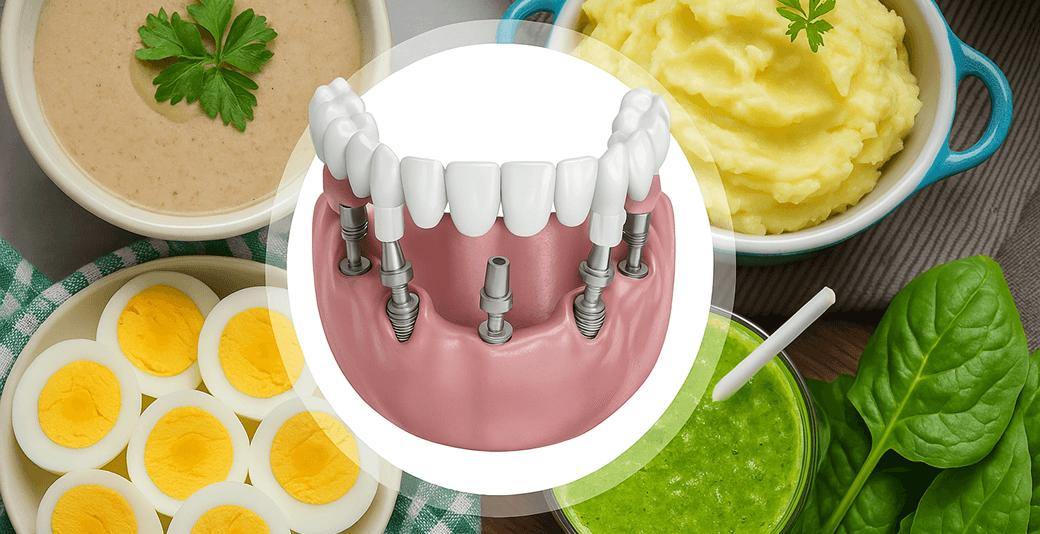
- For the first 24–48 hours after implant surgery, eat cool or lukewarm, smooth food that needs no chewing, such as yoghurt, smoothies (with a spoon), soup and mashed potato.
- Most patients follow a soft diet for the first 1–2 weeks after placement (Dental Implants London, 2026).
- Most patients return to their normal diet within 6–8 weeks, guided by their surgeon (My Specialty Dentist, 2026).
- Avoid smoking during healing. A meta-analysis of about 150,000 implants found a 2.4 times higher odds of implant failure in smokers (Mustapha et al., Medicina, 2021).
Why does diet matter after dental implant surgery?
Diet matters because chewing force and food debris can disturb the surgical site while the gum heals and the implant fuses with the bone. That fusion is called osseointegration. Hard, crunchy or hot food can cause pain, bleeding or infection in the first days.
Good nutrition also supports healing. Protein-rich soft foods help you eat enough while chewing is limited.
What can you eat in the first 24 hours?
In the first 24 hours, eat only cool or lukewarm food that needs no chewing. Wait until the numbness wears off before eating or drinking anything hot, so you do not burn your mouth without feeling it (Dental Designs).
- Yoghurt, kefir or cottage cheese
- Smoothies eaten with a spoon, without seeds
- Lukewarm blended soup or broth
- Mashed potato or sweet potato
- Apple sauce, custard or rice pudding
- Protein shakes
What can you eat in the first week?
From day 2 to day 7, move to soft foods you can mash with a fork. Chew on the side away from the implant.
- Days 2–3: Scrambled eggs, porridge, hummus, soft polenta, well-cooked pasta.
- Days 4–7: Flaked fish, soft rice, well-cooked vegetables, soft tofu, avocado, banana.
- Throughout: Keep food lukewarm and rinse gently after meals as your surgeon directs.
What can you eat in weeks 2 to 6?
From week 2, most patients can add tender foods that need light chewing, such as minced meat, soft bread without crust, cooked beans and soft cheeses. Many dentists advise waiting at least 10–14 days before chewing normally near the site (Art of Modern Dentistry).
Keep avoiding hard and sticky foods on the implant side during this time. The implant is still fusing with the bone, even when the gum looks healed.
Which foods should you avoid after dental implants?
Avoid foods that are hard, crunchy, sticky, spicy or full of small seeds until your surgeon clears you.
- Hard or crunchy: Nuts, crisps, crusty bread, raw carrots, apples bitten whole, ice
- Sticky or chewy: Toffee, caramel, chewing gum, tough meat
- Small bits that lodge in the wound: Seeds, popcorn, rice grains in the first days
- Spicy or acidic: Chilli, citrus and vinegar sting the healing gum
- Very hot food and drinks: Until numbness has gone and bleeding has stopped
Also avoid drinking through a straw and smoking during the healing period. Suction can disturb the blood clot, and smoking raises the risk of implant failure (Mustapha et al., 2021).
Can you drink coffee or alcohol after dental implants?
Coffee can be drunk lukewarm once the numbness has gone, usually from day 2. Avoid hot coffee in the first 24 hours.
Avoid alcohol for at least the first few days, and longer if you are taking painkillers or antibiotics. Alcohol can slow healing and interacts with some medicines. Ask your surgeon for the exact period.
When can you eat normally after dental implants?
Most patients eat normally within 6–8 weeks, once the surgeon confirms healing (My Specialty Dentist, 2026). Some practices advise a softer diet for 3–4 weeks after implant surgery (KYT Dental).
The timing depends on the number of implants, bone grafting and whether teeth were fitted on the same day.
Is the diet different after All-on-4 or same-day implants?
Yes. With All-on-4 or same-day implants, a temporary bridge sits on the implants straight away. Chewing force goes directly to implants that have not fused yet, so the soft-food period is usually longer.
If you have All-on-4 or same-day implants, keep to soft food until your surgeon clears you. This is often until the final bridge is fitted, after the implants have fused with the bone.
What do most implant diet guides not tell you?
Most guides focus on the first week. For full-arch patients, the riskier stretch is often weeks 2–8. By then pain has gone and the gums look healed, so patients go back to crusty bread and steak too soon.
Our view: the soft-diet rule should follow the bone timeline, not how the gum feels. A healed-looking gum does not mean the implant can take full chewing force yet.
FAQ
Can I eat pasta after dental implant surgery?
Yes, well-cooked soft pasta is fine from about day 2–3. Keep sauces mild and lukewarm, and chew on the other side.
Can I eat bread after dental implants?
Soft bread without crust is usually fine from week 2. Avoid crusty bread, baguettes and toast until your surgeon clears normal chewing.
Can I eat ice cream after dental implant surgery?
Yes, plain soft ice cream is fine in the first days. Avoid versions with nuts, biscuit pieces or hard chocolate.
How long after implants can I eat steak?
Tough meat like steak usually waits until your surgeon confirms healing, often around 6–8 weeks. Full-arch patients with a temporary bridge usually wait until the final bridge is fitted.
Related guides
- How long do dental implants last?
- Dental implants in Turkey vs UK
- Titanium vs zirconia implants
- Sedation dentistry and dental anxiety
Next step
Eat cool, smooth food for 24–48 hours, then fork-soft food for 1–2 weeks, and return to normal chewing only when your surgeon confirms healing. If you are planning implants in Istanbul, see our dental implant recovery timeline and ask for our full aftercare sheet with your quote.
About the authors: The Dr Wonder Clinic Dental Team treats international patients in Istanbul, specialising in implant treatment. The clinic holds a 4.9 rating from 259 verified reviews on WhatClinic and a 4.8 Google rating from 174 reviews.