




Key takeaways
- What it is: Composite bonding is a cosmetic treatment where a dentist sculpts tooth-coloured resin directly onto your teeth to fix chips, small gaps, uneven edges and mild discolouration, usually in one visit and without drilling.
- UK cost: Private composite bonding in the UK costs £200–£500 per tooth in 2026, with most patients paying around £300–£350.
- Turkey cost: At Dr. Wonder Clinic in Istanbul, composite bonding costs $80–$150 per tooth in 2026, and an 8–10 tooth smile package costs $700–$1,300.
- Lifespan: Composite bonding typically lasts 5–7 years and can reach 10 years with good care, a night guard for grinders and regular polishing.
What is composite bonding?
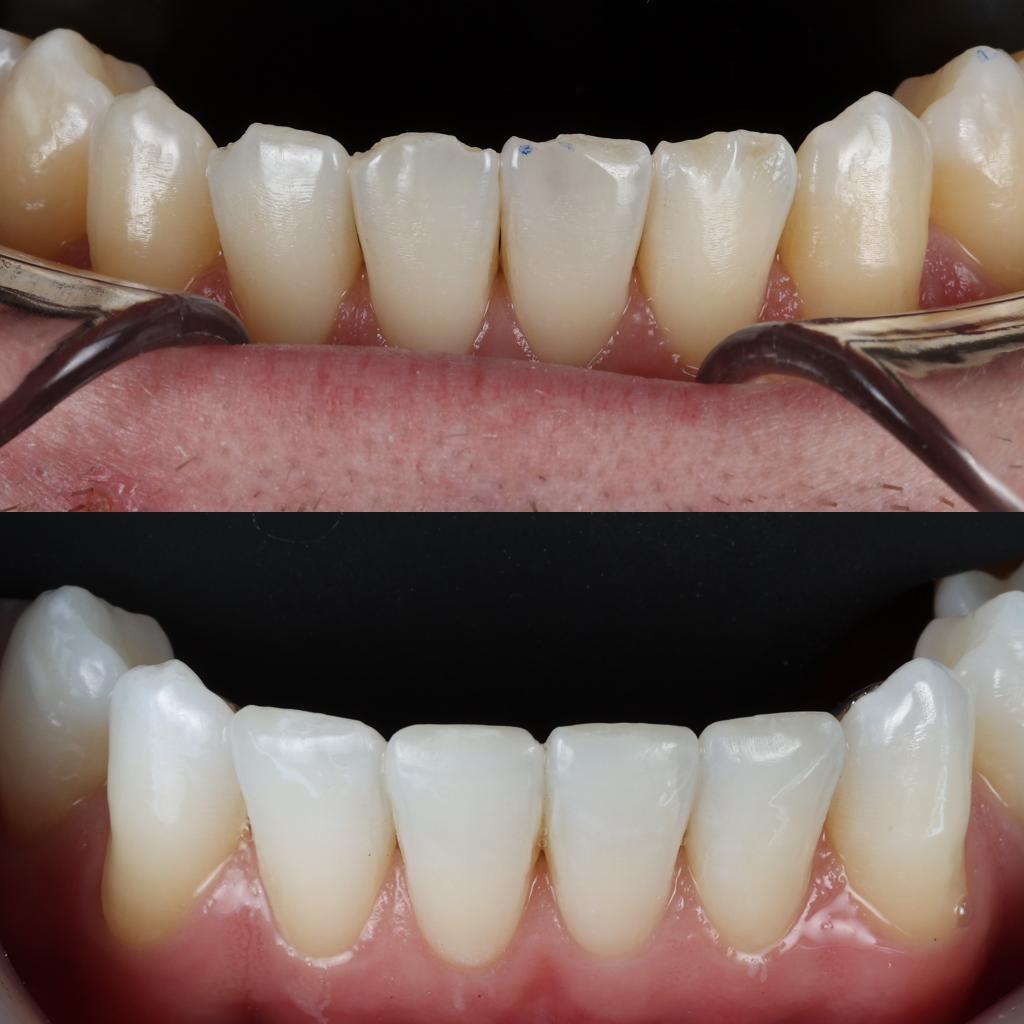
Composite bonding is a minimally invasive cosmetic dental treatment in which a tooth-coloured composite resin is applied to the surface of a tooth, shaped by hand and hardened with a curing light. Unlike porcelain veneers, it is made directly in the mouth and usually needs little or no removal of natural enamel.
Composite bonding is also called dental bonding, tooth bonding or cosmetic bonding. When the resin covers the whole front surface of a tooth, dentists often call it a composite veneer. Edge bonding is a smaller version that only rebuilds the biting edges of the front teeth.
Composite bonding is commonly used to:
- Repair chipped or cracked front teeth
- Close small gaps between teeth (diastema)
- Lengthen short or worn teeth
- Even out slightly uneven or rotated teeth
- Cover small stains that whitening cannot remove
Composite bonding changes the shape and colour of a tooth, not its position. Teeth that are significantly crooked or crowded usually need orthodontic treatment, such as clear aligners, before or instead of bonding.
How is composite bonding done?
Composite bonding is usually completed in a single appointment of 30–60 minutes per tooth, and most patients do not need an injection. A full smile of 8–10 teeth typically takes one long session of around 3–5 hours.
- Consultation and planning. The dentist checks your teeth and gums, takes photos and, for larger cases, previews the result with digital smile design. Any decay or gum disease is treated first.
- Shade matching. The dentist chooses one or more resin shades to blend with your natural teeth. If you want whiter teeth, whitening is done before this step.
- Surface preparation. The enamel is cleaned and lightly etched with a mild gel so the resin can grip it. In most cases there is no drilling.
- Layering and sculpting. The resin is added in thin layers and shaped by hand to rebuild edges, close gaps or adjust contours.
- Curing. Each layer is hardened in seconds with a blue LED curing light.
- Finishing and bite check. The dentist trims, polishes and checks your bite so the bonded teeth feel natural when you chew.
Most patients leave with the final result the same day. Mild sensitivity for 24–48 hours is possible and normally settles on its own.
How long does composite bonding last?
Composite bonding typically lasts 5–7 years before it needs replacing, and well-maintained bonding on front teeth can last up to 10 years (Dentists Closeby, 2026). Porcelain veneers, by comparison, often last 10–15 years or more.
Composite bonding rarely fails all at once. It usually loses its shine, picks up surface stains or chips at the edges, and most of these problems can be polished or repaired without starting again.
The main factors that shorten the life of composite bonding are:
- Teeth grinding (bruxism): Night-time grinding wears and chips resin quickly, so a night guard is essential for grinders. See our guide to dental splints.
- Staining foods and habits: Coffee, tea, red wine, curry and smoking discolour resin faster than enamel.
- Biting habits: Nail-biting, chewing pens or opening packets with your teeth cause edge chips.
- Dentist skill and materials: Careful layering and a high-quality composite give a stronger, more stain-resistant surface.
- Maintenance: A professional polish every 6–12 months keeps the surface smooth and restores the shine.
How much does composite bonding cost in the UK in 2026?
Private composite bonding in the UK costs £200–£500 per tooth in 2026, and most patients pay around £300–£350 per tooth for standard treatment (Dentists Closeby, 2026). Smaller edge bonding costs less, at roughly £100–£200 per tooth.
Composite bonding prices in the UK vary mainly by location and dentist experience. According to the same Dentists Closeby guide, central London and Harley Street practices charge £400–£600 or more per tooth, while practices in the North of England start at around £150. As one London example, Whites Dental lists composite bonding at £235–£300 per tooth and six teeth from £1,495
Can you get composite bonding on the NHS?
Cosmetic composite bonding is not available on the NHS. The NHS only covers bonding when it is clinically necessary, such as repairing a tooth chipped in an accident, and in England this falls under the Band 2 charge of £76.60. Closing gaps, reshaping teeth or improving their colour for appearance is always private.
Composite bonding in the UK vs Turkey: cost comparison
Composite bonding in Turkey typically costs 60–75% less per tooth than private treatment in the UK, before travel costs. The saving grows with the number of teeth, which is why most patients who travel for bonding have 6–10 teeth done in one trip.
Prices checked on 1 November 2026. UK prices are market ranges; Turkey prices are Dr. Wonder Clinic’s published 2026 prices.
| Treatment | UK private price (2026) | Dr. Wonder Clinic, Istanbul (2026) |
|---|---|---|
| Composite bonding, per tooth | £200–£500 | $80–$150 |
| 4 teeth | £800–£1,600 | $320–$550 |
| 8–10 teeth (full smile) | £1,600–£4,500 | $700–$1,300 package |
| Appointments needed | 1 | 1 (same-day result) |
UK ranges: 2026. Turkey prices: Composite Bonding Turkey: 2026 Prices & Packages.
For a detailed breakdown of packages and what they include, see our composite bonding prices in Turkey guide and the full dental treatment price list.
Composite bonding vs veneers: which should you choose?
Composite bonding is the better choice for small, reversible changes on a lower budget, while porcelain veneers are better for major changes in colour and shape that need to last 10–15 years. Many patients start with bonding and move to veneers later, because bonding leaves the natural enamel largely intact.
Prices checked on 1 November 2026
| Factor | Composite bonding | Porcelain veneers |
|---|---|---|
| UK price per tooth | £200–£450 | £700–£1,400 |
| Typical lifespan | 5–7 years | 10–15+ years |
| Enamel removal | Minimal or none | Usually required |
| Reversible | Usually yes | No |
| Appointments | 1 | 2–3 |
| Stain resistance | Moderate | High |
| Repair if chipped | Repaired in the chair | Usually replaced |
For a closer look at the two materials, read our comparison of composite veneers vs porcelain veneers and our guide to how long veneers last.
Who is composite bonding suitable for, and who isn’t?
Composite bonding suits adults with healthy teeth and gums who want to fix minor chips, small gaps or uneven edges without drilling. It is less suitable for heavy grinders, people with active decay or gum disease, and anyone whose main problem is badly crooked teeth or very dark discolouration.
Composite bonding is usually a good fit if you:
- Have a chipped, worn or slightly short front tooth (see chipped or broken tooth repair)
- Have small gaps of up to about 2 mm between front teeth
- Want a change you can reverse or upgrade later
- Are happy to have the bonding polished once or twice a year
Composite bonding is usually not the right first step if you:
- Grind or clench your teeth and do not want to wear a night guard
- Have untreated decay or gum disease, which must be treated first
- Have significantly crowded or crooked teeth, where clear aligners usually come first
- Have very dark or deeply stained teeth that resin cannot fully mask, where porcelain veneers or crowns may work better
How to look after composite bonding
Composite bonding lasts longest when you avoid strong stains for the first 48 hours, brush with a non-abrasive toothpaste and have the surface professionally polished every 6–12 months.
- First 48 hours: Avoid coffee, tea, red wine, curry, berries and smoking while the surface settles.
- Daily care: Brush twice a day with a non-abrasive fluoride toothpaste and floss around the bonded edges. Avoid charcoal and harsh whitening toothpastes, which dull resin.
- Habits: Do not bite ice, hard sweets, pens or fingernails with bonded teeth.
- Grinding: Wear a night guard every night if you grind or clench.
- Check-ups: See your dentist every six months and ask for a polish of the bonded teeth.
What most composite bonding guides don’t tell you
The price per tooth matters less than the plan for the next five years. In our experience treating international patients in Istanbul, the patients who are happiest with composite bonding are the ones who planned for whitening, maintenance and repairs before treatment, not the ones who found the lowest quote.
Whitening has to come first, not later. Composite resin does not whiten. If you bond your teeth and whiten them a year later, the bonded areas will look darker than the rest. If a brighter smile is part of the goal, plan teeth whitening before the shade is chosen.
Travelling for one or two teeth rarely makes sense. Once flights and a hotel are added, bonding a single chipped tooth abroad often costs about the same as a good UK dentist. The real saving starts at around four teeth and is largest for a full 8–10 tooth smile.
Bonding is not the same as “Turkey teeth”. The “Turkey teeth” problems seen on social media mostly involve aggressive crown preparation on healthy teeth. Composite bonding is additive and leaves the enamel largely intact. Read more in what are Turkey teeth?
Know who will maintain it at home. Bonding needs polishing and occasional small repairs. Before you travel, confirm that your local dentist is willing to polish and repair composite placed abroad, and ask your clinic which composite brand and shades were used so repairs match.
Frequently asked questions
Does composite bonding damage your teeth?
No, composite bonding does not damage healthy teeth when it is done correctly. The enamel is only lightly etched so the resin can stick, and in most cases nothing is drilled away. This is why bonding can usually be removed or replaced later.
Does composite bonding hurt?
Composite bonding is usually painless and most patients do not need an injection. Some people feel mild sensitivity for a day or two afterwards, which settles without treatment.
Can composite bonding be whitened?
No, composite resin does not change colour with whitening gels. If you want whiter teeth, whiten them before bonding so the resin can be matched to your new shade.
Can composite bonding be removed?
Yes, composite bonding can be polished off by a dentist, usually with little effect on the natural tooth. This makes it a good option if you want to try a new smile before committing to veneers.
How many teeth can be bonded in one day?
An experienced cosmetic dentist can usually bond 8–10 front teeth in a single session of around 3–5 hours. Larger cases are sometimes split over two days to reduce fatigue and allow a bite check.
Is composite bonding worth it?
Composite bonding is worth it for most people who want to fix chips, small gaps or uneven edges quickly, affordably and without losing healthy enamel. It is not permanent, so the best results come from planning whitening first, protecting the bonding from grinding and budgeting for a polish or repair every few years.
If you are considering bonding on four or more teeth, the price difference between the UK and Turkey can be significant. Send us photos of your smile for a free assessment and a written quote through our aesthetic bonding treatment page.